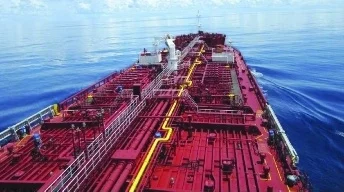
The mining activity, which is currently limited to a few dozen mines laid in recent days, represents an escalation in Iran’s campaign to assert control over the narrow waterway.
U.S. intelligence reports, Iran has begun laying naval mines in the Strait of Hormuz
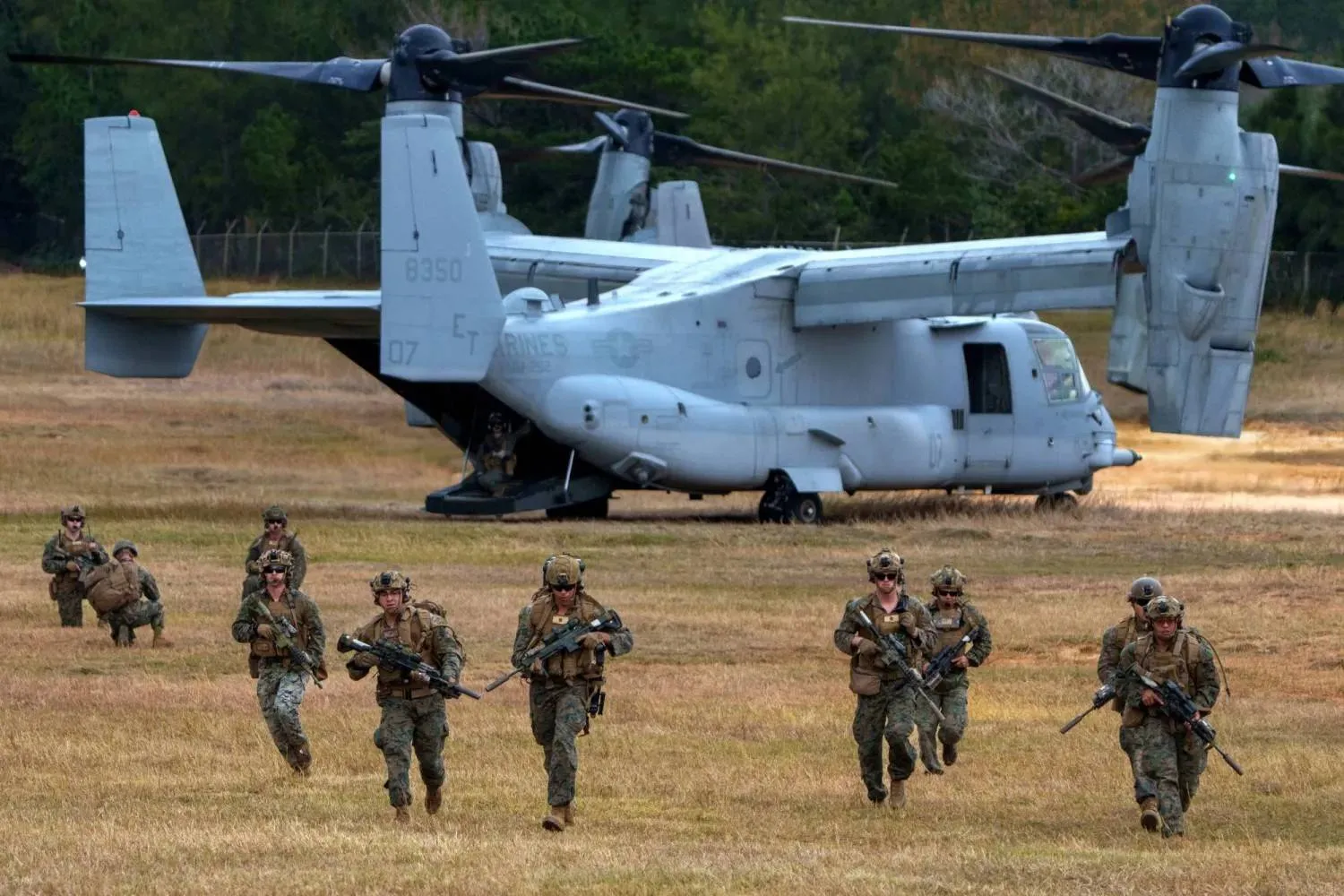
The deployment of approximately 2,500 Marines to the Middle East marks a new phase in the two-week-old Iran war, as Iranian forces have increased their attacks on the Strait of Hormuz. According to two US defense officials, the unit, officially known as the 31st Marine Expeditionary Unit, will be in an unusual position given the problem vexing the Pentagon: the Iranian military's ability to mine the strait, a narrow waterway through which a fifth of the world's oil passes.
The US's airstrikes have led the Iranians to change their strategy, abandoning their larger naval vessels in favor of deploying fast boats carrying mines that can evade aircraft. The boats will likely launch from an archipelago of islands closer to the Strait of Hormuz.
Growing concerned about Iran's deployment of mines
.It is noteworthy that people are growing concerned about Iran's deployment of mines, one of its most potent and disruptive weapons, in the Strait of Hormuz. Fatal attacks on commercial shipping vessels and the closure of the Strait would likely result from the use of naval mines. This would further strain the global economy if oil shipments were halted
Military forces deploy naval mines at various water depths
Military forces deploy naval mines at various water depths in both defensive and offensive situations because they are flexible, relatively cheap, and historically effective. Defensively, they deploy mines to prevent unauthorized entry into territorial waters. Offensively, mines are used to damage an enemy's naval assets or force them through a designated route, which increases the likelihood of a successful subsequent attack. The Strait of Hormuz is where I would deploy mine, either as a direct damage mechanism or as a deterrent. The former would be to channel ships into a predetermined lane more favorable to Iran.
Related : Oil shipping through the Strait of Hormuz has been suspended.
Mines are inexpensive
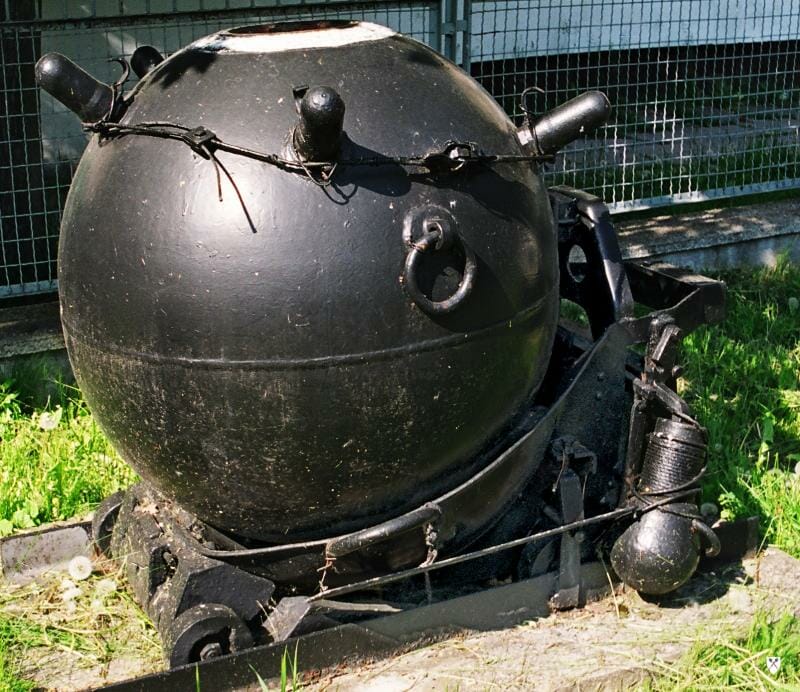
Mines are inexpensive compared to other weapons; simple contact mines cost as little as $1500. More than thirty countries manufacture mines, and over twenty export them. Since 1950, naval mines have accounted for 77 percent of U.S. ship casualties. The mining activity, which is currently limited to a few dozen mines laid in recent days, represents an escalation in Iran’s campaign to assert control over the narrow waterway. CNN reported that Tehran still possesses roughly 80%-90% of its small naval vessels and mine-laying craft, enabling it to potentially deploy hundreds more mines.
.U.S. intelligence reports
According to two people familiar with U.S. intelligence reports, Iran has begun laying naval mines in the Strait of Hormuz, a strategically vital waterway. Analysts warn that this could extend the effective blockade of the world’s most critical energy chokepoint and deepen disruption to global oil flows
The Islamic Revolutionary Guard Corps (IRGC) of Iran now has a presence in the strait, sharing control with the regular navy. The IRGC is known for its asymmetric capabilities, which include mine-laying craft dispersed throughout the area.
The strait of Hormuz
The Strait of Hormuz has already experienced a significant decrease in tanker traffic due to disruptions. Shipping companies are avoiding the area, and insurers are raising premiums due to the increased risk. It has been warned by analysts that prolonged disruption could trigger one of the largest energy shocks in decades, with roughly one-fifth of daily seaborne oil and liquefied natural gas exports being choked off. This would significantly impact prices, inflation, and global supply chains.
#CNN #Mines #US Marines #The strait of Hormuz #(IRGC) #Shipping companies #Marine Expeditionary Unit # U.S. intelligence #global supply chains
You Might Also Like

Recommendation News

Marine News Room
Mohamed Farouk writes: TIC 5.0- How is smart technology redefining trust in global trade? 18 June 2026
Shipping Lines
Scorpio Tankers sells two 2016 LR tankers and buys two newbuildings 18 December 2025
Marine Tech
Prysmian and Fincantieri Acquire Submarine Telecommunications Business 30 December 2025
Yachts&Cruises
Costa closes 2025 with a profit of €1 billion and prepares to exit VTP. 08 May 2026
Shipping Lines
Shortage of vehicle carriers drives shift to containers and multipurpose vessels for Chinese vehicle exports. 13 July 2026