Middle East, maritime security, and trade disruption
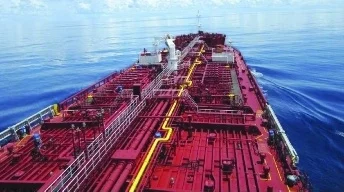
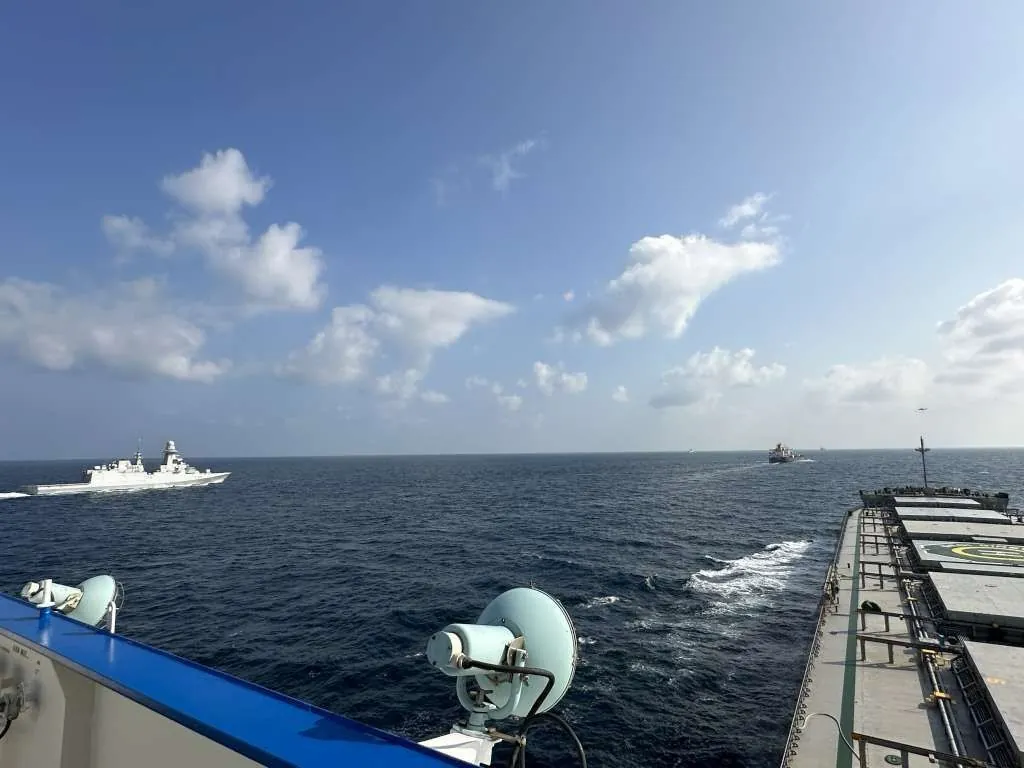
The situation in the Strait of Hormuz is extremely volatile. While it is stable, it is not calm, and transit is only possible under rapidly changing conditions. Even when passage is technically permitted, it may be subject to ad hoc authorisations that do not always guarantee safe or predictable transit. Considering that the Strait of Hormuz and the Bab-el-Mandeb Strait represent a significant proportion of global oil flows, any disruption would have far-reaching effects.
The impact on maritime transport is also being felt in Europe and Italy. The increase in insurance costs, more restrictive conditions for subscriptions, delays, and increased controls along supply chains are already affecting the way goods are transported and insured, with deviations in routes that in some cases have significantly increased time and costs. In a market under pressure due to damage, energy volatility, and changes in commercial flows, the Middle East is suffering further significant stress factors.
Risk management must be very dynamic in this answer. Although war and cargo coverage can still be arranged, a much more proactive approach is required today. In almost all cases, the cover is modified with valid conditions and for very short periods of validity, such as 24 to 48 hours or continuously. It is essential to have constant monitoring and discussion regarding insurance, ensuring that, if it has been arranged in advance, the ship has been completed, the cargo loaded or the route confirmed.
Shipments crossing or associated with the highest-risk area may require preventive inspection of the ship, its owner, flag, origin, and destination. In some cases, indirect connections with jurisdictions at a higher risk may also influence prices and insurability. Therefore, companies are increasingly required to evaluate not only whether a shipment is insurable, but also whether it should proceed.
Not all presentations are performed in this way – this is also important to remember. Traditional war risk insurance is mainly designed to respond to physical losses or damage, while delays, supply chain interruptions, market losses and other indirect commercial consequences may not be covered by standard policies and may require separate solutions or customised extensions. Be aware that the following information will be available: statements regarding information risks, interruption to the supply chain, and civil responsibility. The key issue is not only a ship leaving port, but also if a port were to be blocked, the cargo were to be delayed, or the systems were to be compromised.
Ensuring continuous coverage for all operations in the Gulf and the Middle East is a top priority for healthcare providers. The market message is, on the whole, reassuring: the coverage has not been withdrawn on a general basis and policyholders remain protected. The market is very cautious and selective. It is characterised by constantly risky protection, which is maintained only under modified conditions, with additional benefits or limited validity.
The service should be used to avoid supposing that silence is tantamount to the continuity of coverage. Any shipment or transit involving high-risk areas should be examined in advance with brokers and insurers, paying particular attention to what the policy actually covers. The distinction between protection against physical damage caused by war and exposure correlates with delays, logistical interruptions, contractual responsibilities, or cyber incidents, all of which can become crucial when a shipment is blocked or diverted without material damage being caused.
Geopolitical risk is generally not a structural component of global trade. For activities operating in this region, the priority is to build resilience through robust contingency planning, strong market dialogue and adequate solutions to respond to volatility.
You Might Also Like

24 November 2025
Recommendation News

Incidents
Turkish car ferry damaged in strike at Ukrainian port 13 December 2025
Ports
Rabie Discusses Cooperation with Egyptian Ambassador to Panama 30 August 2026
Marine Tech
IMO : Raft of shipping rules in force from 1 January 2026 10 January 2026
Ports
Suez Canal : The passage of the giant container ship CMA CGM JULES VERNE 15 November 2025