NGOs urge the IMO call for a precautionary approach to managing toxic ammonia effluent from ammonia-fueled ships
(London, UK) – A group of environmental and technology NGOs is urging the International Maritime Organization (IMO) to reject emerging proposals that would allow ships to routinely discharge ammonia at sea. Instead, the group is calling for a simpler safeguard: retain ammonia effluent onboard and offload it at port reception facilities–so shipping can cut pollution without adding a new source of toxic marine pollution.
The statement
The statement follows a week of discussions at the IMO’s Pollution Prevention and Response (PPR) Sub-Committee in London (9–13 February), where governments, for the first time, considered approaches to managing ammonia effluent generated from ammonia-fueled ships.
“Shipping needs to decarbonize fast, and green ammonia could play an important role,” said Dr James Kershaw, Scientific Officer at Opportunity Green. “But we must not reduce climate pollution while normalizing ocean discharge of toxic waste. The IMO must ensure green fuels are adopted with safeguards that protect marine ecosystems, coastal communities, and seafarers.”

What is ammonia effluent — and why it matters
Ammonia gas is extremely toxic and harmful to human health. On ammonia-fueled ships, leftover ammonia gas (for example, when crews purge fuel lines during routine operations) must be captured and contained, often by absorbing it into water. This produces a high-strength liquid waste known as ammonia effluent.
At PPR this week, some Member States discussed a framework that would allow conditional discharge of ammonia effluent into the ocean if certain operational and dilution conditions are met.
NGOs warn: focusing only on short-term toxicity misses bigger risks
Supporters of discharge argue that sufficient dilution can avoid immediate harmful effects on marine life. But the group cautions that’s only one part of the environmental risk:
- Chronic, long-term impacts from repeated low-level exposure are an evidence gap that short-duration studies cannot resolve, and more research is urgently needed.
- Discharging ammonia introduces reactive nitrogen pollution to marine environments, contributing to eutrophication, oxygen depletion, and ocean acidification—pressures already straining ocean health.
In a fully decarbonized maritime future, 35–50% of ships are projected to run on green ammonia. If tens of thousands of vessels are periodically discharging ammonia waste, “conditional discharge” could quickly become routine, with consequences that are still unknown for long-term ocean health.
The nitrogen cycle is already beyond safe planetary boundaries

“The nitrogen cycle is already beyond safe planetary boundaries—we cannot afford to normalize another source of reactive nitrogen pollution as shipping decarbonizes. The industry has an opportunity to get ammonia fuel right from the start by retaining waste onboard and landing it ashore, rather than defaulting to ocean discharge. This isn’t just about toxicity—it’s about preventing further disruption to a critical planetary system that’s already under stress,” said Dr Lucy Gilliam, Co-executive Director of One Planet Port.
The alternative: retain onboard, offload in port, and enable reuse
NGOs urge the IMO to adopt a precautionary approach that prohibits discharge at sea and instead requires ships to retain ammonia effluent onboard and offload it at port reception facilities—where it could be reused by other ammonia users, such as the chemical or fertilizer industries, supporting a circular economy.
The group also calls for the IMO to ensure decisions are based on transparent evidence. Concerns have been raised that exclusive shore disposal could be burdensome, but the NGOs note that cost and storage impacts must be quantified, and available examples suggest effluent volumes from routine operations may be small relative to ship capacity. It is vitally important that the IMO considers the various options for fully managing ammonia effluent, including quantifying the full range of challenges and risks associated with each.
NGOs call on IMO Member States to:
- Prohibit routine or conditional discharge of ammonia effluent at sea, consistent with the precautionary principle.
- Ensure guidelines address long-term, chronic ecosystem impacts and the broader consequences of reactive nitrogen pollution—not only acute toxicity.
- Advance a global pathway for onboard retention and port offloading, paired with coordinated scaling of port reception facilities.
- Establish a transparent, science-based work program through PPR14 and beyond to close key evidence gaps and deliver enforceable measures.
“The ocean should not be a testing ground for routine disposal of toxic ammonia waste,” said Marie Cabbia Hubatova, Director, Global Shipping at Environmental Defense Fund. “The risks go beyond short-term toxicity to long-term ecosystem damage and added pressure on a global nitrogen cycle that is already out of balance. Until these impacts are fully understood, the
precautionary principle demands a strict prohibition on discharge at sea and a clear requirement for onboard retention and unloading at ports.”
“Ammonia cannot become shipping’s next pollution problem. Real climate action starts with cutting ships’ energy demand through efficiency and wind propulsion. If ammonia is used, its waste must stay out of the sea. Ocean health quite simply cannot be collateral damage,” said Anaïs Rios, Senior Shipping Policy Officer and Clean Shipping Coalition Board Member.
Related : MBF and ZESTAS sign MoU To accelerate zero- emission
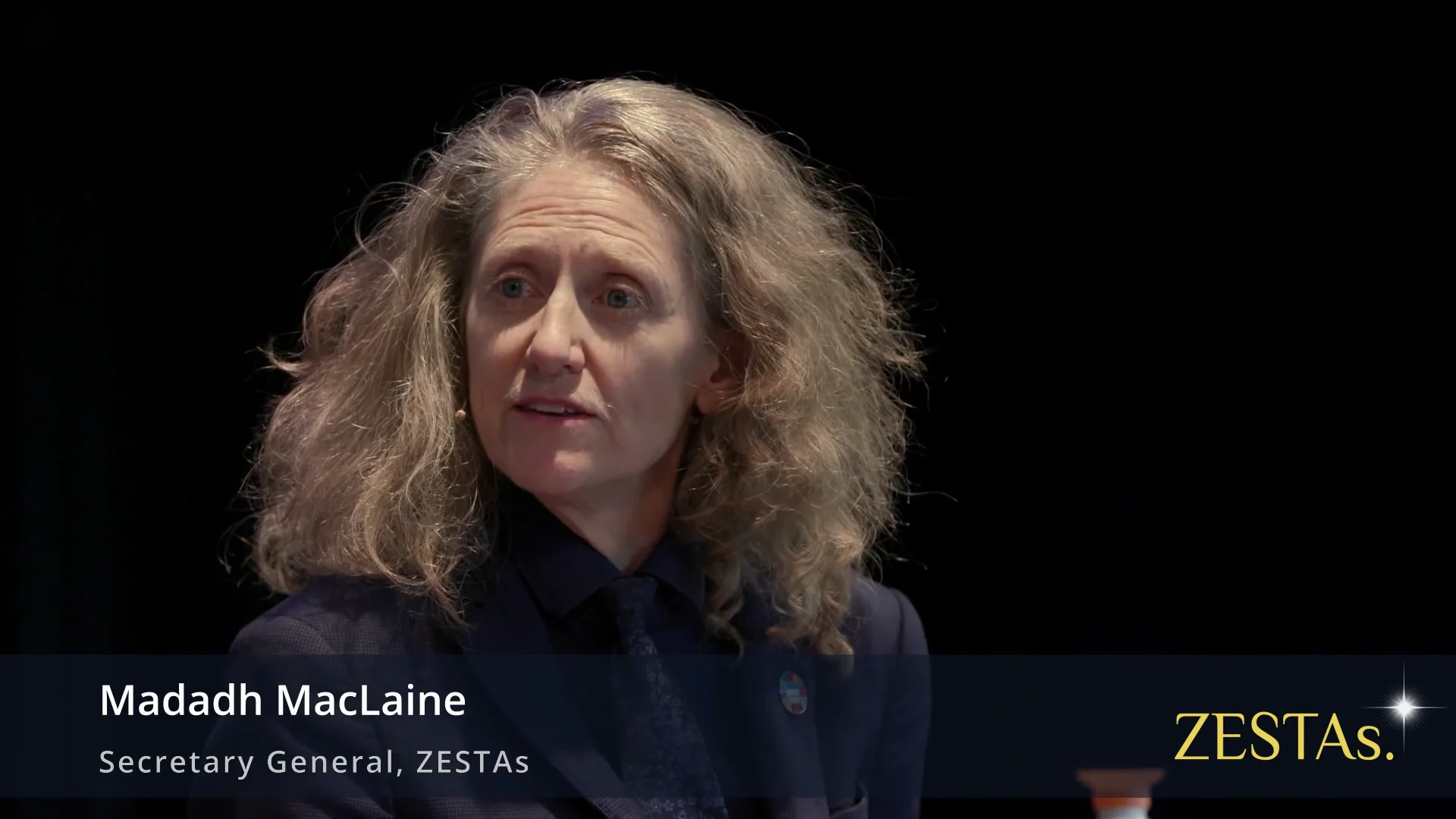
“Shipping’s fuel transition is a chance to reduce harm to the ocean,” said Madadh MacLaine, Secretary General of ZESTAs. “Industry first movers stand ready to enable that transition, but this opportunity will be missed if the lowest-cost option becomes the default. The IMO must set clear regulations, pre-deployment.”
“The fuel transition must be both fast and durable. Pathways that shift risk from the atmosphere to the ocean will ultimately slow deployment by eroding public trust. Getting ammonia right from the start is how we ensure zero-emission fuels scale globally,” said Davina Hurt, California policy director with Pacific Environment.
Source : Press - Release received by Maritime Tickers
# Pacific Environment #Davina Hurt #Madadh MacLaine #ZESTAs#Anaïs Rios #Marie Cabbia Hubatova #IMO’s Pollution Prevention #ammonia ship waste #NGOs urge the IMO
You Might Also Like
Recommendation News
Marine Tech
RINA awarded Approval in Principle to DRIFT Energy for its energy-harvesting ship design. 10 June 2026
Ports
Rotterdam City Council presents Port Vision 2050 26 November 2025
Shipping Lines
The impact of the Strait of Hormuz closure on global maritime traffic 01 March 2026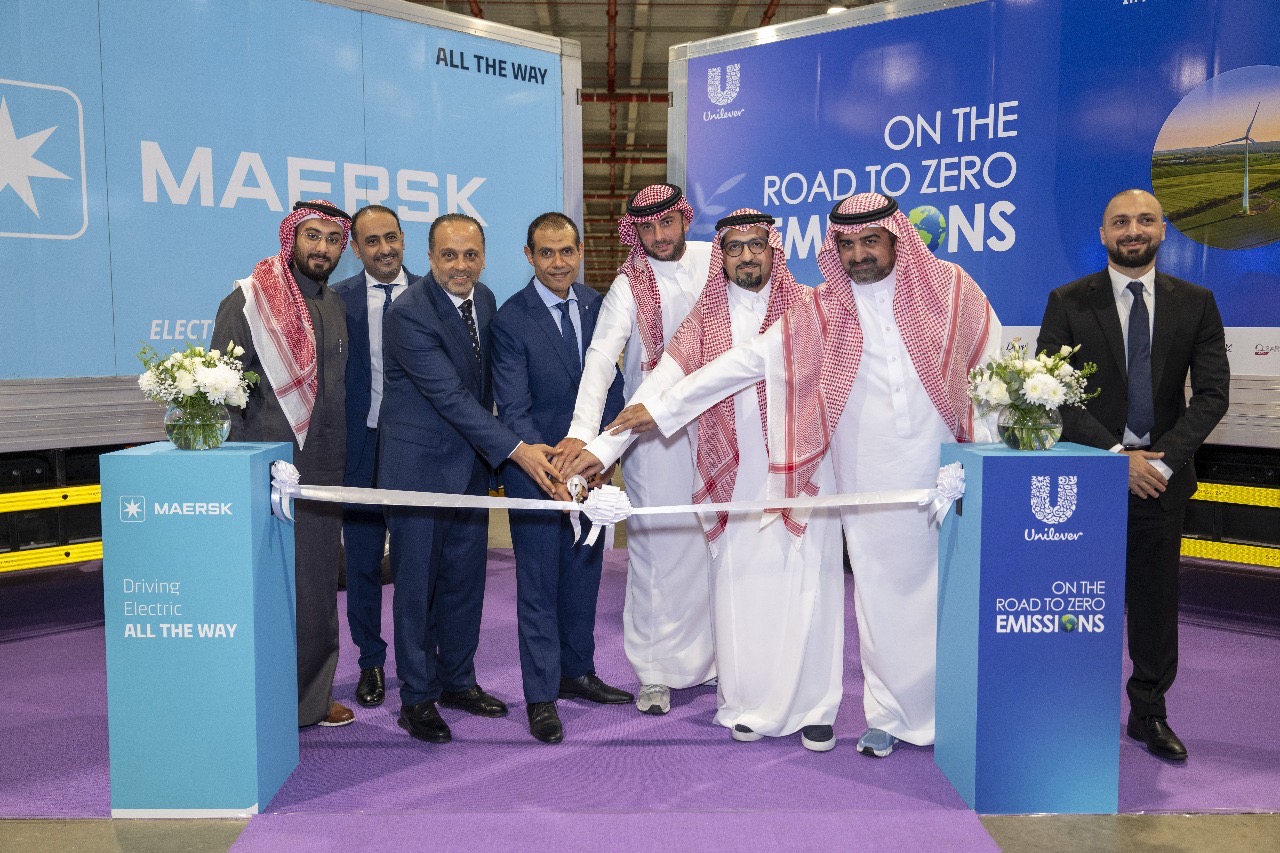
Shipping Lines
Maersk and Unilever launch first electric van towards decarbonising logistics in KSA 07 November 2025
Shipping Lines
Italy : Reappointed Gloria Dari as president for the three-year of the Spedimar 12 December 2025