New Zealand Gov Targets 100 ‘Shadow Fleet’ Ships With New Sanctions
Four types of services that are prohibited in relation to maritime transport of Russian-origin oil: brokering, financing, financial assistance, and insurance.
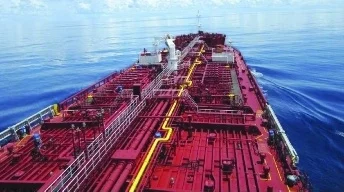
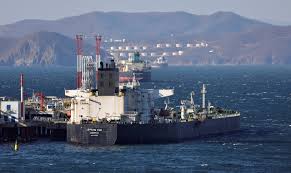
The New Zealand’s Ministry of Foreign Affairs & Trade has once again expanded its sanctions against Russia, adding 23 individuals, 13 companies, and 100 vessels to its sanctions list, , in line with the level previously set by the European Union. in what officials describe as Russia’s “shadow fleet” operations. The move represents the largest single-day vessel designation in New Zealand’s sanctions history since the Russia Sanctions Act was passed by Parliament in March 2022.
Disrupt Russia’s shadow fleet.
The move comes amid broader international efforts to disrupt Russia’s shadow fleet operations, with multiple countries pursuing similar vessel designations and enforcement actions against tankers suspected of violating sanctions or operating outside established maritime regulations.
Lowered the price cap on Russian-origin crude oil
The regulations also lowered the price cap on Russian-origin crude oil from $47.60 per barrel to $44.10 per barrel, matching the recently lowered EU and UK cap, marking the third reduction since the price cap mechanism was implemented in February 2024. The cap had previously been reduced from $60 to $47.60 in September 2025. Meanwhile, the price cap adjustment aligns with similar measures taken by the European Union, reflecting ongoing international efforts to limit Moscow’s revenue from oil exports.
An economic sanctions tool,
The Russian oil price cap is an economic sanctions tool, which has been implemented by a group of countries including the G7 (Canada, France, Germany, Italy, Japan, the United Kingdom, United States), the European Union, Australia, and New Zealand. The price cap establishes a framework for Russian seaborne crude oil and petroleum products to be exported to third countries at a rate at or below the capped price.
New Zealand’s efforts to limit Russia’s revenues
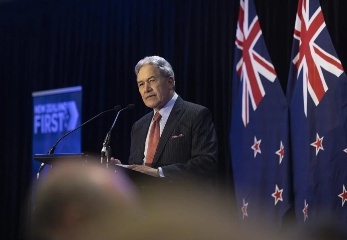
It is noteworthy that importing Russian-origin oil into New Zealand continues to be prohibited (based on the sanctions implemented in November 2022) and is not affected by the oil price cap measures. As part of New Zealand’s efforts to limit Russia’s revenues, from 4 November 2022, New Zealand has imposed an import ban on coal, oil, and gas products of Russian origin. From 14 April 2024, New Zealand has also prohibited services supporting the maritime transport of Russian-origin oil to any third country, unless the oil was purchased at or below a specified price.
New Zealand’s sanctions regime
New Zealand’s sanctions regime has evolved significantly since its inception. The country first introduced vessel-specific sanctions in June 2025, when it sanctioned 27 ships and created a new category of restricted vessels under Regulation 8. By October 2025, an additional 64 vessels had been added to the sanctions list, followed by 19 more vessels in September 2025. The latest sanctions bring the total number of vessel designations to 210 vessels
.Since the Russia Sanctions Act entered into force in March 2022,
Since the Russia Sanctions Act entered into force in March 2022, New Zealand has designated hundreds of individuals and entities across multiple sectors. The sanctions have targeted Russian political and military elites, oligarchs, financial institutions, defense contractors, and entities involved in disinformation campaigns. The country has also sanctioned actors from Belarus, Iran, and North Korea for their support of Russia’s military operations.
Ban any tanker carrying Russian oil from entering European ports.
On the other hand, in practice, under such a transport ban, a European coalition of countries would ban any tanker carrying Russian oil from entering European ports and using European services, either permanently or at least for as long as the ban is in place. The European Union proposed new sanctions that would replace a price cap on Russian oil with a full ban on maritime services. This would mean that European firms could no longer provide insurance, shipping, or transport services for Russian oil cargoes at any price. All EU member states have to approve the package before it goes into effect. In a statement, Commission president Ursula von der Leyen called all member states to “swiftly endorse these new sanctions.
It is noteworthy that there are four types of services that are prohibited in relation to maritime transport of Russian-origin oil: brokering, financing, financial assistance, and insurance.
Related : New details : India’s refiners curb Russian crude as sanctions hit Rosneft and Lukoil
Source : Agencies
# European Union #New Zealand’s sanctions #Russia’s “shadow fleet #Russian oil price cap #EU Ports
You Might Also Like


Recommendation News

Incidents
Container ship captain arrested in Seattle for drinking alcohol 19 October 2025
Marine News Room
Andy Hamflett, writes : Blue Economy Governance: The Building Blocks of Sustainable Success 25 February 2026
Shipping Lines
Aramex Welcomes Amadou Diallo as Group Chief Executive Officer 01 May 2026
Ports
Spanish study: Port race in the Strait of Gibraltar leans toward Moroccan ports. 26 March 2026
Ports
Port of Barcelona, MB92 and CNAB initiate greywater reuse project 18 December 2025