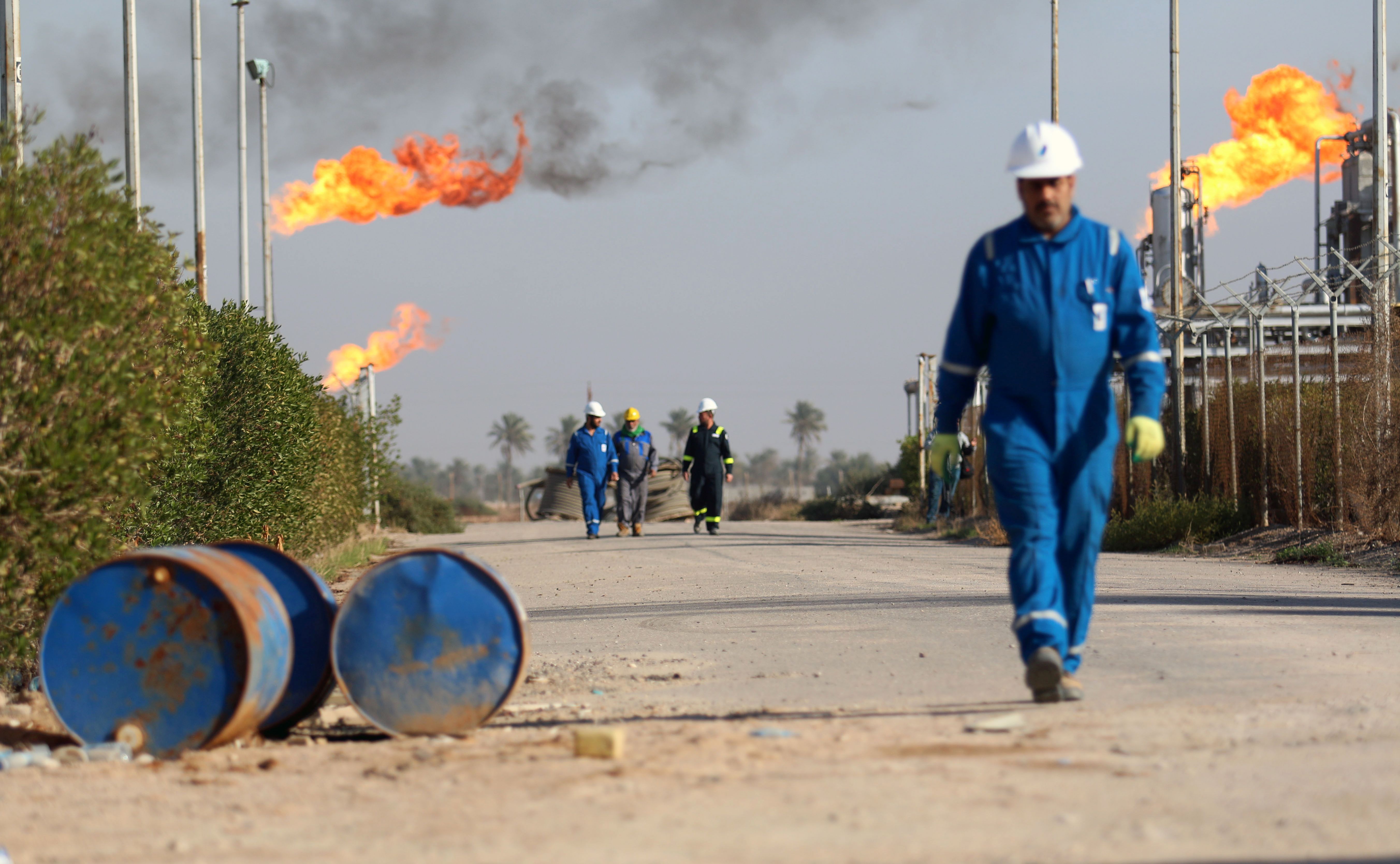
According to Kpler data, China is the world's largest crude importer. Around half of its seaborne imports, or 5.4 million barrels per day (bpd), come from the Middle East.
Asia depends heavily on oil and gas from the Middle East, with 60% of its crude originating from this region. This makes the region vulnerable to a prolonged shutdown of the Strait of Hormuz resulting from the Iran War. The Middle East is the world's largest oil-producing and -exporting region, shipping one out of every four barrels of crude oil daily. Most of these exports pass through the Strait of Hormuz according to Reuters
Kpler analysis
According to Kpler, a shipping analytics firm, Asia will import an average of 14.74 million barrels of Middle Eastern crude oil per day in 2025. This accounts for nearly 60% of the region's total purchases of 25 million barrels. Saudi Arabia, Iraq and the United Arab Emirates are the top three suppliers of goods to Asia.
Japan and South Korea are among the major purchasers who are most dependent on Middle Eastern crude oil. They import 95% and 70% of their oil, respectively.
Singapore, Asia's main oil hub,
Last year, Singapore, Asia's main oil hub, increased its dependency on Middle Eastern oil to over 70%, up from around 50% in 2024. This increase occurred after Exxon Mobil completed a refinery expansion requiring more heavy oil from the region. According to Kpler data, China is the world's largest crude importer. Around half of its seaborne imports, or 5.4 million barrels per day (bpd), come from the Middle East.
Meanwhile, China is well known on the market for not relying on one country for more than 20% of its oil. China purchases oil in countries such as Iran, Russia, and Canada and produces over 4 million barrels per day (bpd) itself. Middle Eastern oil shipments usually take between 30 and 40 days to arrive in North Asia, while the journeys to India are less than one week.

Asia is the fastest-growing region in the world.
In terms of oil demand, Asia is the fastest-growing region in the world. It is also a net importer because production in the Asia-Pacific region is declining due to aging fields and few new discoveries.To achieve a higher profit margin, most Asian refineries use desulfurization units to process high-sulfur crude oil from the Middle East. This is because high-sulfur crude oil is typically cheaper than lower-sulfur grades.
Middle Eastern crude oil
Middle Eastern crude oil contains large amounts of fuel oil that can be refined into higher-quality fuels, such as gasoline and diesel. Fuel oil is used for bunker fuel at the top refueling ports in Singapore and Zhoushan in eastern China.Saudi Arabia has increased its market share in Asia by purchasing stakes in regional refineries through its state-owned energy company, Saudi Aramco. This ensures outlets for its crude oil.
Related : Oil shipping through the Strait of Hormuz has been suspended.
Source : Reuters
#Middle Eastern crude oil #Kpler data # China #Singapore #Exxon Mobil #Middle East #Strait of Hormuz #Saudi Arabia #Japan #seaborne imports
You Might Also Like

10 October 2026

18 January 2026
Recommendation News

Yachts&Cruises
SilverCat Highlights The Regional Catamaran Appeal At Abu Dhabi International Boat Show 24 November 2025
Shipping Lines
Baltic Exchange congratulates SGX and EEX on a successful transfer of Panamax FFAs 02 February 2026
Shipping Lines
Negotiations for the sale of the Israeli company Zim 28 November 2025
Incidents
Tanker Loaded Catches Fire At France’s Port-la-Nouvelle 16 October 2025