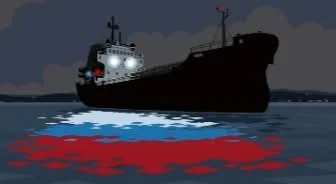
The future of Port State Control lies in smarter systems, better alignment between ship and shore, and a more consistent approach to operational readiness across global shipping.
By : Capt. Francis Modozie
Port State Control (PSC) has long been one of the most effective mechanisms for enforcing international maritime safety, environmental protection, and operational standards. It represents the point where regulatory frameworks meet operational reality.
Traditionally, PSC has functioned as a periodic inspection system, identifying deficiencies when vessels call at port. However, the operating environment in global shipping is changing. Increasing regulatory complexity, heightened enforcement expectations, and the availability of operational data are reshaping how compliance is monitored and evaluated.
Port State Control is no longer just an inspection activity. It is increasingly becoming a broader indicator of how well vessels and the organizations behind them are managed over time.
The Traditional PSC Model
Under the conventional model, PSC inspections are event-driven. A vessel is selected for inspection based on risk factors, and compliance is assessed against international conventions such as SOLAS, MARPOL, STCW, and the Maritime Labour Convention. Deficiencies are recorded, and serious failures may lead to detention.
While this approach has improved baseline standards across the industry, it has clear limitations:
It provides a snapshot rather than continuous visibility
Compliance is often reactive
Gaps between inspections may go unnoticed
Preparation is frequently concentrated before inspection
As a result, many vessels appear compliant during inspection but may not maintain the same level of readiness consistently.
Related : ILO and IMO mark 20 years of Maritime Labour Convention - MLC 2006 - Challenges

A Shift Toward Continuous Compliance
The industry is now moving toward a model where compliance must be maintained continuously rather than demonstrated periodically.
Several developments are driving this transition:
Increased data sharing between PSC regimes
Enhanced risk-based inspection targeting
Greater visibility of vessel performance history
Growth of digital reporting and monitoring systems
Inspection outcomes are no longer isolated events. They are part of a broader system that reflects ongoing operational discipline.
The key question for operators is no longer:
Will the vessel pass the next inspection ?
Is it the vessel continuously ready to meet inspection standards at any time?
The Role of Digital Integration
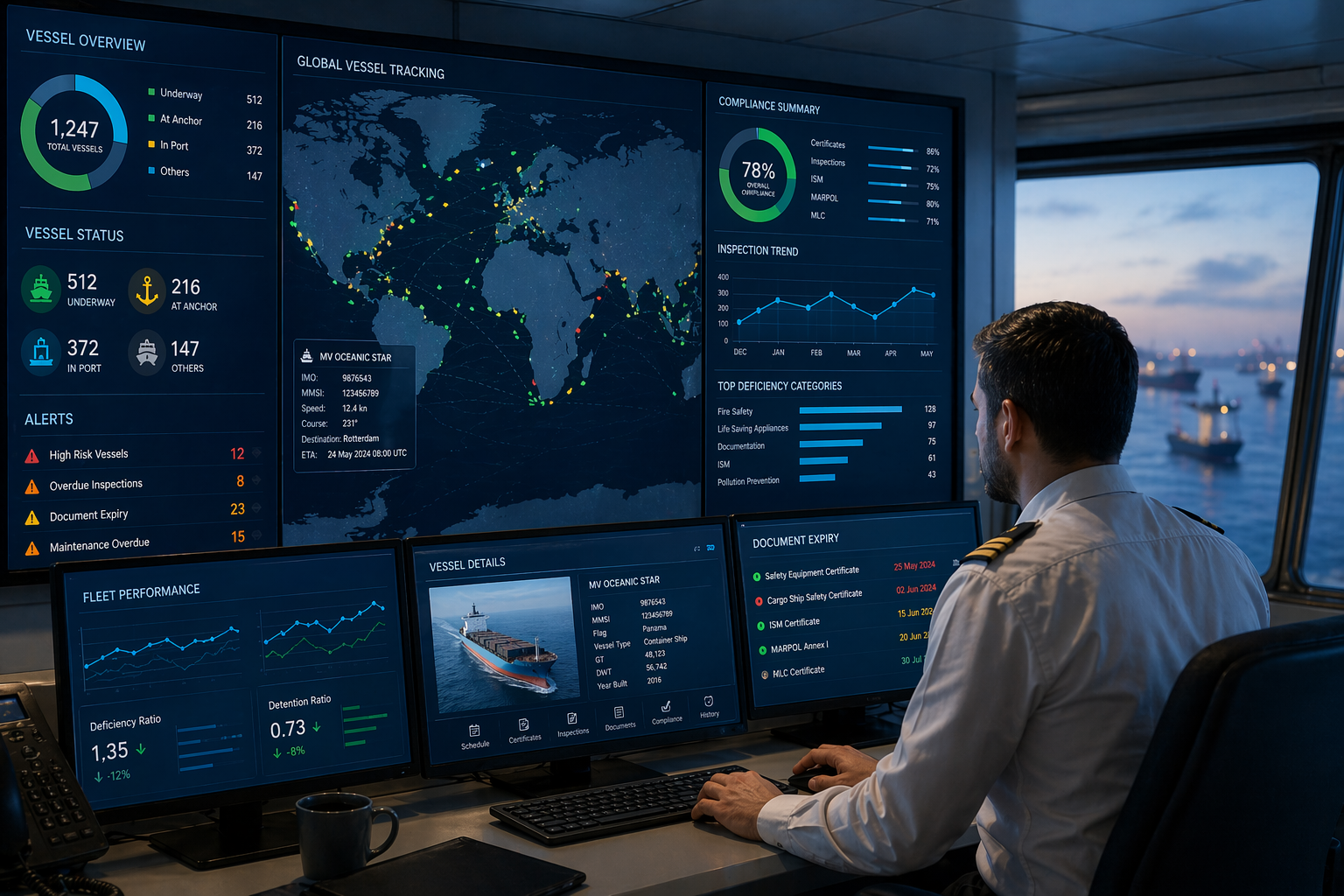
Digital systems are central to this evolution. Modern vessels generate significant operational, maintenance, and compliance-related data. When properly structured, this information can support real-time visibility into vessel condition and readiness.
Key capabilities include:
Integration of inspection records with maintenance systems
Centralized compliance tracking across fleets
Identification of recurring deficiencies
Early detection of risk patterns
This allows organizations to shift from reactive correction to proactive management.
However, digital systems alone are not enough.
The Operational Reality Onboard
From an onboard perspective, sustaining compliance is not only a systems issue but also an operational challenge.
Crew members operate under:
Heavy workloads
Manning constraints
Time pressure
Competing priorities
Even well-designed compliance systems can fail if they are not aligned with these realities.
Continuous compliance, therefore, depends on:
Clear ship–shore responsibilities
Practical procedures that can be applied under pressure
Consistent follow-up on corrective actions
Adequate operational support
Without this alignment, compliance becomes theoretical rather than practical.
Towards a More Integrated PSC Environment
The next phase of PSC will likely reflect a more connected and intelligence-driven approach.
Key developments may include:
More data-driven inspection targeting
Greater reliance on vessel performance history
Increased emphasis on evidence quality
Stronger alignment between internal compliance and external inspections
In this environment, inspection readiness will no longer be a standalone activity. It will be embedded within daily operations.
Implications for Shipowners and Operators
For shipowners and operators, this shift requires a different approach to compliance management.
Organizations must be able to maintain visibility across their fleets and answer key questions:
Where are recurring deficiencies emerging?
Which corrective actions remain open too long?
Are lessons from inspections applied across vessels?
How effectively are compliance systems functioning onboard?
These are governance issues, not just technical ones.
Operators who develop structured compliance systems will not only improve inspection outcomes but also strengthen operational performance and reduce risk exposure.
Conclusion
Port State Control will remain a cornerstone of maritime enforcement. However, its role is evolving.
The industry is moving away from a model based solely on periodic inspections toward one built on continuous compliance, operational visibility, and integrated systems.
The vessels and organizations that perform best in this environment will be those that embed compliance into daily operations rather than prepare for inspections as isolated events.
This transition is already underway.
The future of Port State Control lies in smarter systems, better alignment between ship and shore, and a more consistent approach to operational readiness across global shipping.
Capt. Francis Modozie is a Master Mariner and maritime strategy and compliance advisor with over 25 years of experience across seafaring, fleet operations, and regulatory compliance. He is the Founder of SeaFleet Backbone, a maritime advisory and digital infrastructure platform focused on vessel inspection readiness, compliance systems, and operational performance across global shipping.
#Capt. Francis Modozie #Port State Control #SOLAS #MARPOL#Maritime Labour Convention #Compliance
You Might Also Like


Recommendation News
Ports
Shanghai port moved 14.106 million TEU in the first quarter of 2026 15 April 2026
Shipping Lines
Saipem: new offshore drilling contract worth approximately 260 million USD 22 July 2026
Marine Tech
EU : Baltic and North Sea states warn of rising GNSS interference 27 January 2026
Incidents
Cocaine inside fish reefer in the port of Gioia Tauro 16 October 2025
Marine News Room
The Omani proposal for regulating navigation in the Strait of Hormuz is outlined. 13 July 2026