The disruption in the area has pushed the price of Brent crude above $90 per barrel, raising concerns about higher energy, fertilizer, and transportation costs.
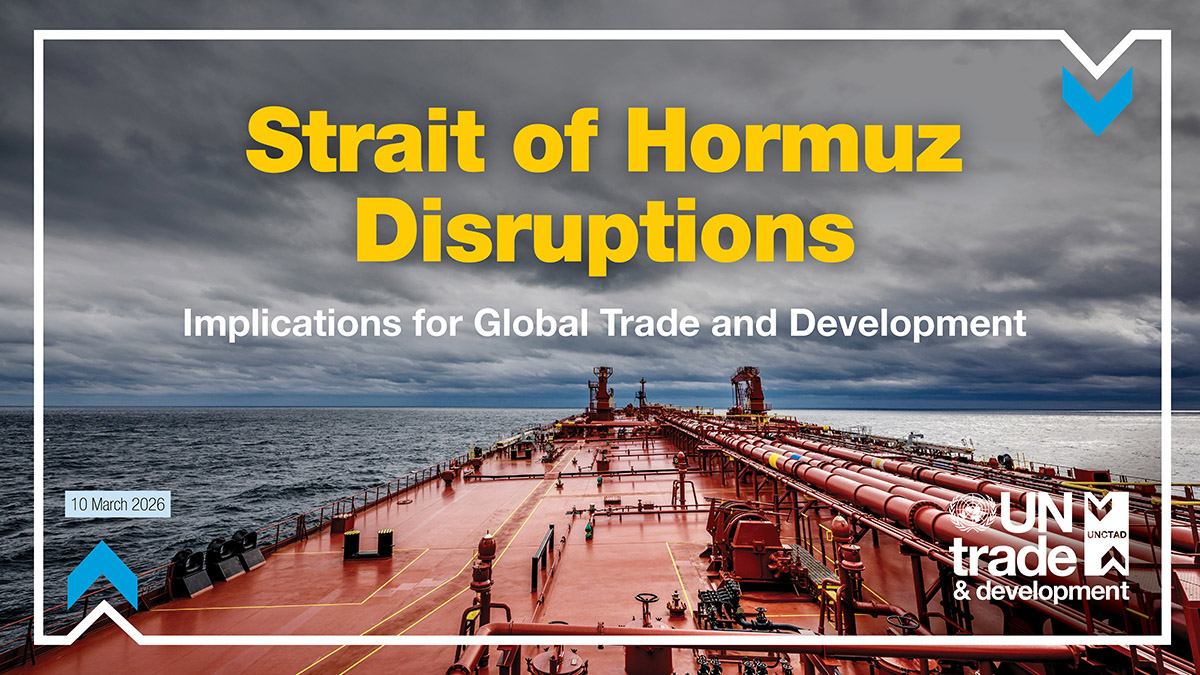
While the world's attention is focused on the Middle East and economists are debating the potential consequences of a prolonged closure of the Strait of Hormuz, a contribution on the subject from a reliable source like UNCTAD is noteworthy. The United Nations Conference on Trade and Development (UNCTAD) released a "rapid analysis," which highlights the importance of the waterway and expresses concern about potential increases in food and living costs due to its impassability, particularly in vulnerable economies.
First and foremost, this data highlights that, in the week before the outbreak of the conflict, 38% of maritime crude oil traffic, 29% of LPG traffic, 19% of LNG and refined petroleum products traffic, and 13% of chemical products (including fertilizers) passed through the Strait. However, container and dry bulk traffic had a limited share (3% for both).

Before the war began in February,
Before the war began in February, the average was 127 naval crossings per day. This number dropped by 97% at the beginning of March, with only four crossings on March 8. The report begins with energy product traffic and shows that Asia will suffer the most from the "blockade," accounting for 84% of the approximately 14.3 million barrels of crude oil and 83% of the 10.4 million cubic meters of LNG moved daily from Hormuz.
Oil prices are rising.
Rising oil prices would have the most direct impact on real economic activity, according to Jonathan McMenamin, the head of economic forecasts at investment bank Barrenjoey. "It is usually stagflationary," he said. "It directly increases inflation by raising gas prices, and it can also lead to broader price increases." At the same time, it reduces growth by decreasing people’s spending power.”
Disruption in the area
The UN says that a quarter of the world's oil is traded through the Strait. It also says that a lot of liquefied natural gas and fertilizers go through it. Disruption in the area has already pushed Brent crude prices above $90 per barrel, raising concerns about higher energy, fertilizer, and transportation costs. These increases, spanning freight rates, bunker fuel, and insurance premiums, could drive up food prices and intensify cost-of-living pressures, particularly for vulnerable populations.
The number of shares destined for Europe was much lower.
Menwhile Shares destined for Europe were much lower, accounting for only 5% and 13% of the total daily volume, respectively. The market reacted swiftly: by March 8, oil prices had reached $91.80 per barrel, a 27% increase from February 27. Meanwhile, the price of LNG increased by 74% to €55.80 per megawatt-hour.

Fertilizer trafficking
However, fertilizer trafficking is also being affected. In 2024, 16 million tons of fertilizer (67% urea, 20% diammonium phosphate, and 9% monoammonium phosphate) moved through the region. The Hormuz blockade will primarily impact Sudan (which imports 54% of the region's fertilizer by sea), followed by Sri Lanka (36%) and Australia (32%).
The UNCTAD analysis
The UNCTAD analysis goes a step further. Based on historical data from the 1990s onward, it shows that increases in oil prices have coincided with increases in food commodity prices. Additionally, it shows that increases in gas prices have coincided with increases in fertilizer prices.
In conjunction with rising commodity prices, the crisis has also increased sea freight costs. Specifically, the Baltic Exchange recorded a 72% increase in the Clean Tanker Index (freight rates for vessels carrying crude oil, bitumen, and similar cargoes) and a 54% increase in the Dirty Tanker Index (freight rates for vessels carrying refined petroleum products) between February 27 and March 6.

Bunker fuel prices
At the meantime, bunker fuel prices have also risen (+99% for low-sulfur fuel and +100% for high-sulfur fuel during the same period), and war risk insurance premiums have also impacted the sector. The average cost of insurance for a $100 million oil tanker has risen from around $250,000 per voyage pre-crisis to $1 million, quadrupling in the highest-risk scenarios.
Related : Pacific revives container freight rates
Disruptions in energy, transportation
Disruptions in energy, transportation, and agricultural inputs can spread across interconnected markets. This was demonstrated by the similar repercussions observed during recent global shocks, including the pandemic caused by the novel coronavirus (SARS-CoV-2) and the beginning of the war in Ukraine.
Many developing economies are struggling to service their debt right now. This makes it hard for them to deal with new price shocks because they don't have much money and limited ability to deal with them.The situation highlights the importance of continued monitoring, particularly of the implications for vulnerable economies, as the overall global economic impacts will depend on the duration and scale of the disruption.
Resilience in global trade networks
.According to UNCTAD, the latest disruption underscores the need for resilience in global trade networks and the importance of safeguarding maritime corridors that facilitate the flow of energy, food, and essential commodities.
Since its founding in 1964, UNCTAD has served as the United Nations’ leading body on trade and development. It supports its 195 member states by providing economic analysis, policy advice, and technical assistance aimed at promoting inclusive and sustainable development.
Related : Lloyd's seeks solution in Persian Gulf: "A thousand ships are at a standstill."
# UNCTAD # global trade networks # the war #oil prices #Strait of Hormuz # bank Barrenjoey #fertilizer trafficking #bunker fuel prices
You Might Also Like
Recommendation News
Yachts&Cruises
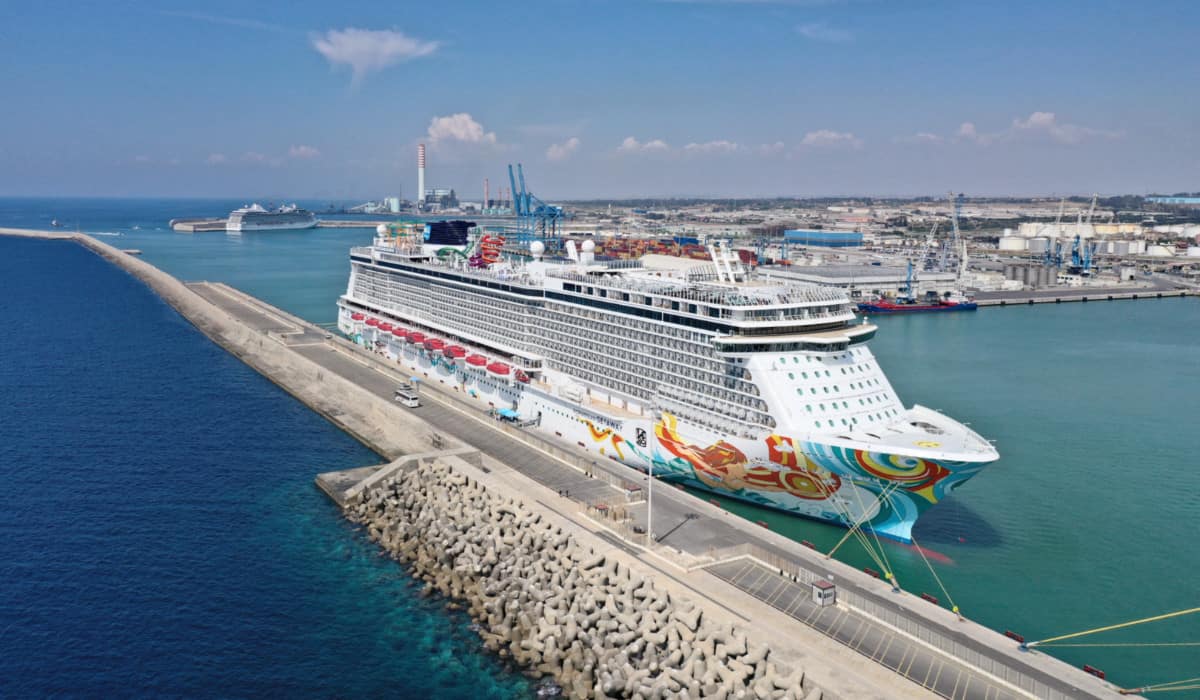
The port of Civitavecchia has celebrated a new record for annual cruise traffic 17 January 2026
Marine News Room
The IMO session saw Saudi Arabia underscore the significance of maritime security and energy stability 19 March 2026
Marine Tech
Two Italian FREMM frigates from Fincantieri for Greece in a €460 million deal 01 September 2026
Marine News Room
Raul Villa Caro writes : To the sea wood- the shipbuilding industry 27 December 2025
Ports
Argus: Suez bunker demand may rebound in 2026 09 January 2026