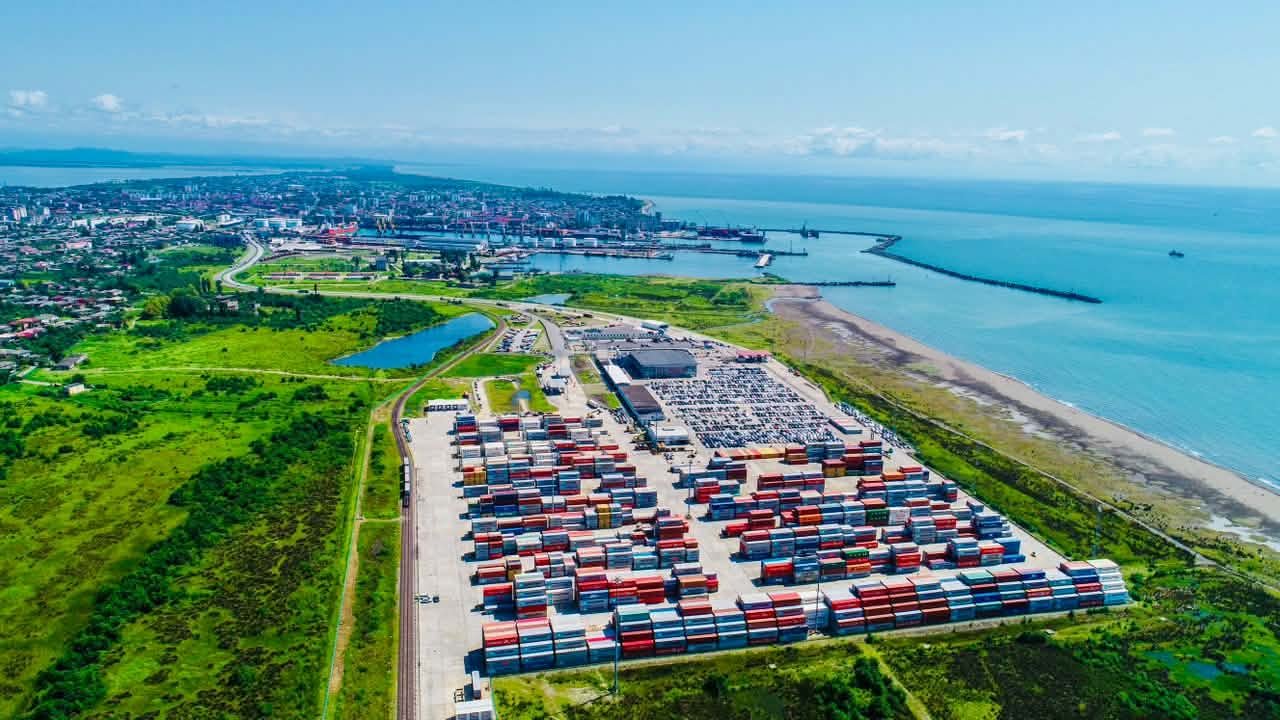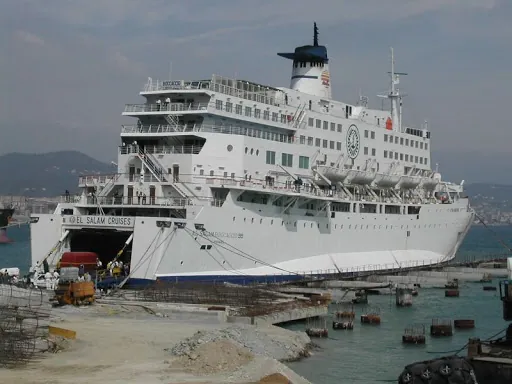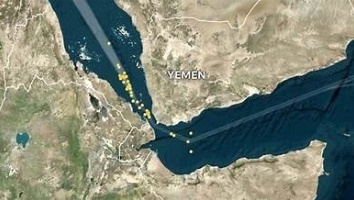
The Hormuz Strait and the Red Sea are two vital chokepoints for the global flow of crude oil, refined products, LNG and goods between Asia, Europe and the Mediterranean.
KSA condemned the escalation, reiterating Saudi Arabia's commitment to 'achieving peace in Yemen' and calling on the international community to fulfil its responsibilities to protect freedom of navigation.
The most significant development in recent hours is the separate incidents involving two oil tankers in the Strait of Hormuz.
The Iran-backed Houthi militia controls parts of Yemen and has previously threatened to block the Red Sea at a crucial choke point for Saudi oil exports and global shipping. The militia has also threatened, alongside the Somali al-Shabaab organisation, to disrupt maritime traffic in the Bab al-Mandab Strait.
Meanwhile, on Monday, Yemen’s Iran-aligned Houthis announced that they were imposing a ban on maritime navigation in Saudi Arabian waters. This move opens a new front in the United States' war on Iran, widening the threat to global energy supplies and trade beyond the Gulf.
A naval blockade" against the "Saudi adversary",
In their declaration, the Houthis' military forces stated that they were proclaiming "a naval blockade" against the "Saudi adversary", in accordance with the principle of "an eye for an eye", with immediate effect. In a televised statement, Yahya Saree, the spokesman of the Yemeni Armed Forces, announced that they would respond to 'the blockade with a blockade'.The right of our great people to respond to the blockade with a blockade, and to respond to all escalation with all escalation, was affirmed by Saree.
The statement did not elaborate precisely what a maritime embargo would comprise.
The statement did not elaborate precisely what a maritime embargo would comprise. Ambrey, a security services specialist in the maritime industry, assessed that Saudi Arabia-flagged, -owned or -operated vessels, as well as those en route to or from Saudi Arabia and its Red Sea ports, constitute a strong affiliation with the Houthi target profile and are therefore at high risk of attack by the Houthis.
The Statement of KSA and Saudi-led coalition
Conversely, the Saudi-led coalition stated that it 'will respond with force to any threats targeting maritime navigation' and initiated immediate protective measures for commercial vessels moving through the Bab al-Mandab Strait and the Red Sea. The Saudi Ministry of Foreign Affairs condemned the escalation, reiterating Saudi Arabia's commitment to 'achieving peace in Yemen' and calling on the international community to fulfil its responsibilities regarding the implementation of relevant UN Security Council resolutions to protect freedom of navigation.
Related: Report: Houthi attacks in Red Sea devastating for the environment
The Chinese situation.
China has called for respect for Saudi Arabia’s sovereignty and security while urging all parties to resolve regional disputes through diplomacy.
China has called for respect for Saudi Arabia’s sovereignty and security, urging all parties to resolve regional disputes through diplomacy.“China opposes attacks against civilian facilities,” Chinese Foreign Ministry spokesperson Lin Jian told reporters, adding that the sovereignty and security of Saudi Arabia and other countries should be respected.
He added that Beijing supports resolving disputes through political and diplomatic means to help restore peace and stability across the region, and that China advocates relevant parties resolving disputes in this way to create conditions for an early restoration of peace and tranquility in the region.
Caution: Disrupt shipping even if no ships are under attack.
Analysts have warned that the announcement is likely to disrupt shipping even if no ships are attacked. The critical issue remains whether the Houthis will move from threats to direct action. Wider conflict with the Houthis could deepen regional tensions and further escalate hostilities between the US and Iran, potentially disrupting shipping through the Red Sea.
Ships transiting through the Red Sea have previously been attacked by the Houthis. This has forced global shipping companies to take massive detours to avoid the area.
Related: Search for survivors after Houthis sink second Red Sea cargo ship
Since the US and Israeli strikes on Iran began at the end of February, shipping through Hormuz has also been seriously disrupted, which has affected global oil prices. Tanker traffic through the Strait of Hormuz has fallen dramatically as the fighting escalates.
Tensions are rising once again.
Against this backdrop, tensions are once again rising along key global energy shipping routes. The Strait of Hormuz and the Red Sea have returned to the spotlight in recent hours following damage to two oil tankers in the Persian Gulf and new announcements from the Houthis regarding an expansion of operations targeting maritime traffic.
A vital passage for a significant share of global flows of crude oil,
Given that these two chokepoints serve as vital passages for a significant share of global flows of crude oil, refined products, LNG, and goods moving between Asia, Europe, and the Mediterranean, these developments are being closely monitored by shipowners, oil companies, traders, and insurers.
Incidents involving two oil tankers
The most significant development in recent hours is the separate incidents involving two oil tankers in the Strait of Hormuz. According to information released by Iranian authorities, the vessels were struck by explosive devices in the water, but this remains subject to independent verification. The incidents have immediately fuelled fresh concerns about the safety of commercial shipping in the area, which is already characterised by a significant military buildup and high risk levels
The incidents did not halt traffic,
Although the incidents did not halt traffic, they have reignited fears of a potential escalation that could affect transit through the Strait of Hormuz, a vital waterway through which around a fifth of the world's seaborne oil passes. The insurance market has also been affected, with "war risk" premiums remaining high and various operators reviewing their operational procedures and shipping routes, according to shipping Italy
Meanwhile, tensions are mounting on the Red Sea front. The Houthis have reiterated their intention to continue attacking vessels deemed to be linked to Israel, and have suggested that they could launch further attacks should the regional conflict escalate. According to reports cited by Reuters, Iran has urged the Yemeni movement to prepare to disrupt traffic through the Bab al-Mandab Strait in the event of a US attack on Iranian infrastructure.
The situation remains particularly delicate for the shipping industry.
The situation remains particularly delicate for the shipping industry. The Red Sea and the Suez Canal are accessed via the Bab el-Mandeb Strait, which is the southern gateway. The Strait of Hormuz is the main route for energy exports from Gulf nations. If security deteriorated simultaneously at both chokepoints, numerous shipping companies would be forced to alter their routes, which would inevitably impact transit times, operating costs, insurance premiums and the international supply chain more broadly.
Security measures have been put in place, and international naval forces are monitoring both routes 24/7 so that commercial traffic can continue to flow along them. Nevertheless, operators still consider the risk of further incidents to be high and are maintaining a state of vigilance as they await developments in the diplomatic and military situation.
#The Red Sea # Strait of Hormuz #Suez Canal #Saudi-led coalition #Houthi militia# Maritime Navigation blockade #Saudi Arabia #China # UN Security Counci #freedom of navigation #Bab al-Mandab
You Might Also Like

27 October 2025

07 January 2026
Recommendation News
Incidents
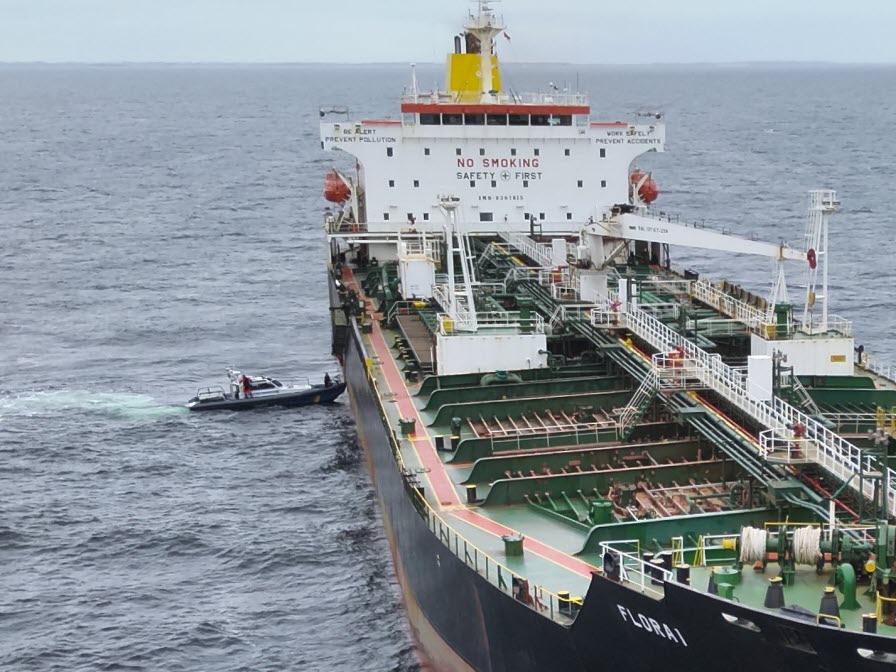
Sweden releases seized oil tanker suspected of being source of oil spill 05 April 2026
Marine Tech
IMO :African Member States work together to advance maritime digitalization 13 December 2025
Yachts&Cruises
Costa closes 2025 with a profit of €1 billion and prepares to exit VTP. 08 May 2026
Ports
Rotterdam City Council presents Port Vision 2050 26 November 2025
Shipping Lines
ICS admits Indian National Shipowners’ Association to full membership INSA 26 February 2026