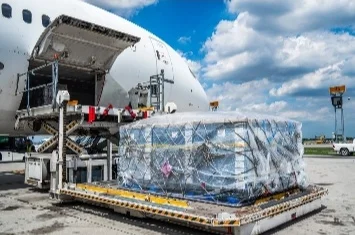
The World Shipping Council calls for a halt to undeclared shipments of lithium batteries.
The World Shipping Council is pressing governments to close a regulatory gap that allows large volumes of small lithium-ion batteries to travel in containers without carriers being told what is inside, according to The Maritime Executive. The industry body argues that the exemption, which permits compliant shipments of small batteries to go undeclared, leaves operators unable to manage a fire risk that has already produced serious incidents.
Lithium-ion batteries carry well-known fire hazards and rank among the cargoes that container lines and roll-on/roll-off operators watch most closely. Shipments that are improperly declared and moved outside the rules of the International Maritime Dangerous Goods Code present a substantial danger. Under the current framework, however, a shipper may pack an unlimited number of small batteries into a standard container without notifying the carrier, a practice the council describes as a fully compliant loophole.
Estimates from the International Energy Agency cited in the report put the growth in lithium-ion batteries in circulation at six times the level of five years earlier, with demand projected to double by the end of the decade. Clean-energy transport, utility-scale grid storage, personal electronics and a wide range of industrial and commercial uses have all contributed to rising demand for the technology, which is valued for durability and high energy density. When such batteries short out or overheat, they can ignite and release toxic, flammable gases rapidly, and the resulting fire is hard to put out. Aboard a vessel, the hazard has to be controlled through safe-stowage practices.
The IMDG Code sets out specific requirements for declaring and stowing dangerous goods, including large lithium-ion battery packs. Smaller batteries can fall under an exception known as SP188 when they satisfy certain testing criteria, meaning they need not be disclosed or shipped with the same precautions even when many are packed together. The council illustrates the scale of the issue with a consumer-electronics example: a standard 40-foot container might hold as many as 4,200 laptops, whose combined battery capacity could match that of three to four electric vehicles. Electric vehicle battery packs are a recognized and regulated fire risk that can be reduced to an acceptable level when handled properly.
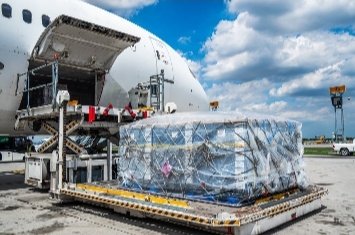
The equivalent battery content in a laptop shipment could be delivered by a shipper without the container line knowing, making proper management impossible. The council says this has led to known incidents and must change. Joe Kramek, President and CEO of the World Shipping Council, said that hazards which remain invisible can produce serious consequences. He noted that batteries shipped under the exemption have caused significant container fires, endangering people, ports, ships and the marine environment, and said that as battery shipments keep growing a better solution is needed so these cargoes become visible and their risks can be managed properly.
The report recounts an earlier case in which a 40-foot container filled with battery-powered flashlights caught fire on the deck of the boxship X-Press Godavari in September 2020 and burned for more than three days, continuing even after it was moved onto the pier. The container had likely overheated during transport as deck cargo in 86 F conditions, a situation probably worsened by direct sunlight at its stowage position.
The ambient temperature was already at the upper storage limit recommended by the original equipment manufacturer, and the extended sun exposure went against the manufacturer's guidance. The roughly 7,000-kilogram combined mass of lithium-ion batteries in the cargo likely ignited as a result. The shipment complied with SP188 and was not declared as dangerous goods, as the IMDG Code exception permits.
Had the operator been informed, the container would likely have been stowed appropriately and the fire might not have happened. To tackle the problem, the council has submitted a proposal to the International Maritime Organization that would cap the maximum weight or capacity of batteries allowed in a single container under the SP188 exemption. Beyond that threshold, battery packs would have to be declared. The proposal is scheduled for review next week at the next meeting of the Sub-Committee on Carriage of Cargoes and Containers. Please mention the Source:
Governments are being urged by the World Shipping Council to close a regulatory loophole that allows large volumes of small lithium-ion batteries to be transported in containers without carriers being informed of their contents.The exemption, which allows compliant shipments of small batteries to go undeclared, is, according to the shipowners' trade association, problematic as it leaves operators unable to manage a fire risk that has already caused serious incidents. Lithium-ion batteries are well known to pose fire risks and are among the cargoes most closely monitored by container and ro-ro shipping lines. Shipments that are improperly declared or handled outside the regulations of the International Maritime Dangerous Goods (IMDG) Code pose a substantial danger.
In its statement, the World Shipping Council notes that this has resulted in known maritime incidents and that the situation must change. Joe Kramek, the association’s president and CEO, stated that unseen dangers can have serious consequences. He added that batteries shipped without proper declaration have caused significant container fires, endangering people, ports, vessels and the marine environment. As battery shipments continue to rise, shipowners are calling for these cargoes to be made visible so that the associated risks can be properly managed.
The WSC report details an incident in September 2020 involving a 40-foot container filled with battery-operated torches that caught fire on the deck of the container ship X-Press Godavari. The fire burned for over three days and continued to smoulder even after the container was moved to the quay. The container had likely overheated while being transported as deck cargo, a situation which was presumably exacerbated by direct sunlight at its stowage location. The cargo temperature was already at the upper limit recommended by the original manufacturer and prolonged sun exposure violated the manufacturer's guidelines. The total mass of approximately 7,000 kilograms of lithium-ion batteries within the cargo likely ignited due to overheating. In this instance, the shipment complied with Special Provision 188 (SP188) and was not declared as dangerous goods, as permitted by an exception in the IMDG Code. Had the operator been informed, the container would likely have been stowed appropriately and the fire would probably not have occurred.
In order to address this issue, the World Shipping Council has submitted a proposal to the IMO which would limit the maximum weight or capacity of batteries permitted in a single container under the SP188 exemption. Above this threshold, battery packs would need to be declared. The proposal will be reviewed in the coming days.
You Might Also Like


Recommendation News

Incidents
A Gambian-flagged tanker has caught fire in the Black Sea off Turkey’s coast 28 November 2025
Ports
Southern Aqaba Port has been evacuated following reports of an ammonia leak. 14 September 2026
Seafarers
Hristiyan Rusev writes : Why Many Cadets and Junior Officers Stay Stuck 23 April 2026
Shipping Lines
Baltic Exchange congratulates SGX and EEX on a successful transfer of Panamax FFAs 02 February 2026