Eric R.Dawicki : The creation of a U.S. Virgin Islands Open International Ship Registry is so urgent. Congress must act against the backdrop of military escalation between Iran, Israel, and America
The high seas cannot be allowed to devolve into theaters of conflict
Iran’s Supreme National Security Council must make the final decision on whether to close the Strait of Hormuz, Iran’s Press TV said on Sunday, after parliament reportedly approved the measure.
The decision to close the strait, through which around 20 percent of global oil and gas demand flows, is not yet final. But lawmaker and Revolutionary Guards Commander Esmail Kosari told the Young Journalist Club on Sunday that doing so is on the agenda and “will be done whenever necessary.”
A dangerous tipping point for global shipping

Eric R.Dawicki Prsident Northeast Maritime Institute and Marine Expert, emphasizes : The situation unfolding between Iran and Israel, with the United States now militarily engaged , marks a dangerous tipping point with serious implications for global shipping and maritime stability
Facing three primary risks
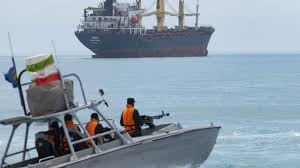
He says to “Maritime Tickers ”, We are now facing three primary risks. First, the Strait of Hormuz remains one of the world's most vital maritime chokepoints, with more than 20% of global oil supply passing through it. Adding that Iran possesses both the capability and the intent to disrupt this flow, whether through sea mines , drone or fast boat attacks on tankers, or even the mere threat of closure
Global energy markets
Dawicki is warning that any disruption would send shockwaves through global energy markets and marine insurance, causing immediate volatility and long-term uncertainty. In effect, the current regime in Iran would be taking on the world if they escalate.
The second risk
The second risk, as ًDawicki says in his exclusive statements to Maritime Tickers that , Iran’s regional proxies, particularly in the Red Sea and Eastern Mediterranean, are likely to escalate attacks on commercial shipping. We’ve already seen how the Houthis have weaponized the Bab el-Mandeb Strait. That risk is now expanding into broader missile and drone campaigns that threaten the stability of supply chains from Europe to Asia and across the global south.
The third danger comes,
The third danger comes, according to what is said by Eric R. Dawicki, we are entering an era in which the traditional neutrality of flag states may no longer offer protection. Vessels may be targeted not for what they carry, but for who owns them, the destination of their cargo, or the political alliances of their flag. This represents a profound break from long-standing norms in maritime law. It’s precisely why the creation of a U.S. Virgin Islands Open International Ship Registry is so urgent. Congress must act. The time for neutrality has passed—every flag will be seen as representing either the “good guys” or the “bad guys.” Every flag will require the full backing and protection of its respective, national navy.
The implications are both sobering and clear for the maritime industry, he says: higher operating costs, heightened risk, and greater strategic uncertainty. At the same time, this crisis may accelerate efforts to diversify trade routes, build new and sustainable labor pools, and create maritime frameworks that better protect seafarers and preserve freedom of navigation.
Act decisively and responsibly
Eric concludes his statement by saying,” We must act decisively and responsibly. The high seas cannot be allowed to devolve into theaters of conflict. They must remain what they have always been at their best, avenues for peace, prosperity, and global cooperation.
Related : Fire on 3 ships in the Sea of Oman before the Strait of Hormuz
Iran’s Supreme National Security Council , U.S. Virgin Islands , Global energy markets , Esmail Kosari , Eric R.Dawicki , Iran’s top security , Hormuz closure
You Might Also Like

Recommendation News

Marine News Room
ON LinkedIn : Gavin Allwright : We definitely face a major challenge, but headwinds to change are nothing new 03 November 2025
Ports
Bangladesh drops plan to lease key Chattogram container terminal amid protests 10 February 2026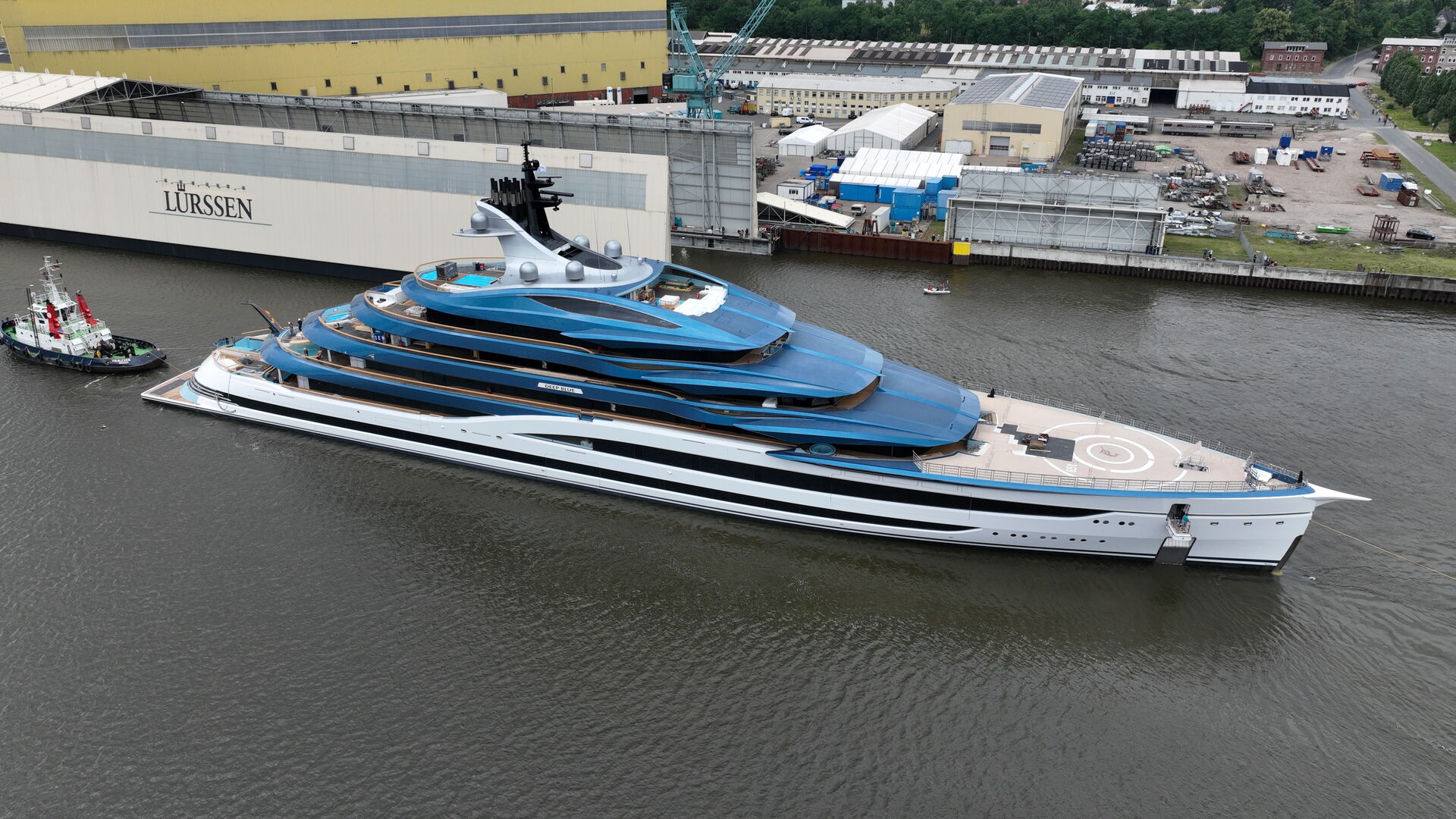
Yachts&Cruises
134m Lürssen superyacht Deep Blue will delivery before November 07 October 2025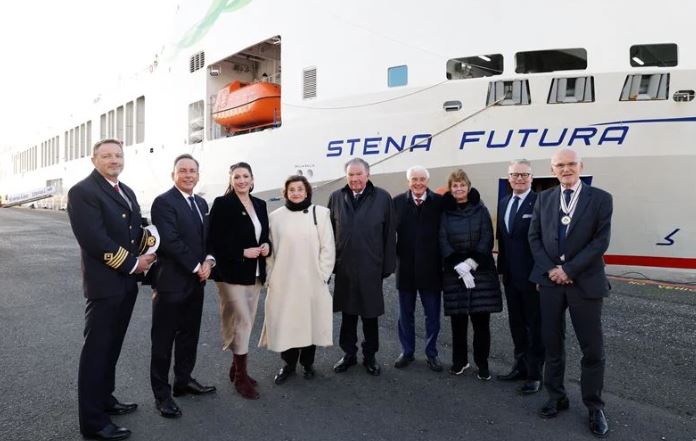
Yachts&Cruises
Stena Line Celebrates launch of hybrid ferry Stena Futura in Belfast 22 November 2025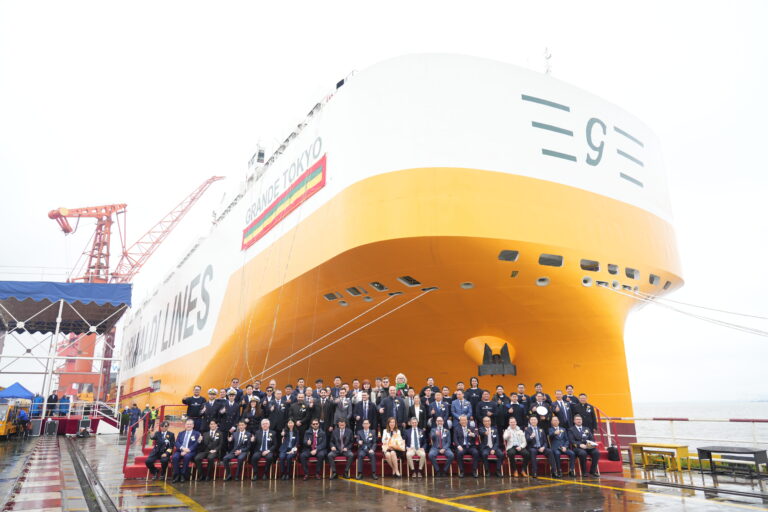
Marine Tech
Grimaldi takes delivery of the Grande Tokyo 20 April 2026