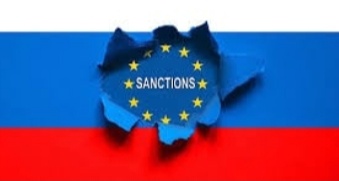
Russia has become increasingly reliant on cryptocurrencies for international transactions due to sanctions on its financial sector.
Transactions with the Russian ports of Murmansk and Tuapse, and Indonesia's Karimun oil terminal, were banned by the package.
The European Union’s ban on transactions involving RUBx and the digital rouble took effect on 24 May 2026, alongside wider measures targeting Russia-linked crypto, finance, energy, and maritime activity, according to the Council of the European Union. The ban is part of the EU’s 20th sanctions package against Russia, adopted by the Council on 23 April 2026.
EU support for the development of the digital rouble.
The package introduced a full sectoral ban on providers and platforms established in Russia that enable the transfer and exchange of crypto assets. It also prohibited transactions involving RUBx, as well as EU support for the development of the digital rouble. According to the Council, Russia has become increasingly reliant on cryptocurrencies for international transactions due to sanctions on its financial sector.
Related : Russia is expanding its "shadow fleet" to transport gas amid the Strait of Hormuz bottleneck.
20 Russian banks were subjected to restrictions on transactions,
Transactions involving Russian agents were prohibited by the package; 20 Russian banks were subjected to restrictions on transactions, and four third-country financial institutions were targeted for allegedly helping to circumvent EU sanctions or for linking to Russia's financial messaging system. In the maritime sector, the EU added 46 vessels to the list of those banned from accessing its ports or receiving its maritime services, bringing the total number of designated vessels to 632.
Related: New Zealand's Government launches a new package of sanctions against Russia
Transactions with the Russian ports of Murmansk and Tuapse, and Indonesia's Karimun oil terminal, were also banned by the package. The Council claimed that these were used to circumvent the oil price cap.
About: The Council of the European Union
In the Council of the EU, informally also known as the Council, government ministers from each EU country meet to discuss, amend, and adopt laws, and coordinate policies. The ministers have the authority to commit their governments to the actions agreed on in the meetings. Council meetings take place in Brussels, except for three months (April, June, and October) when they are held in Luxembourg.
#The Council of the European Union #Transactions #maritime sector #20 Russian banks #crypto assets #digital rouble #EU bans RUBx #ports of Murmansk
You Might Also Like
Recommendation News

Marine Tech
Bill Gates in Korea to promote nuclear-powered ships 15 October 2025
Marine Tech
Piloda Defence and VN Maritime begin production of 40 vessels for the Coast Guard 31 December 2025
Shipping Lines
SCA and Maersk Group Sign Strategic Partnership Agreement 25 November 2025
Marine News Room
Maria Bakalakou writes to Maritime Tickers 21 October 2025
Marine Tech
Launching of The Vessel ANITA CONTI at FREIRE SHIPYARD 15 October 2025