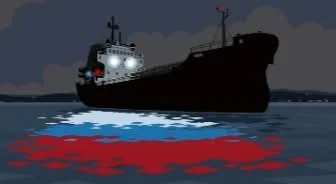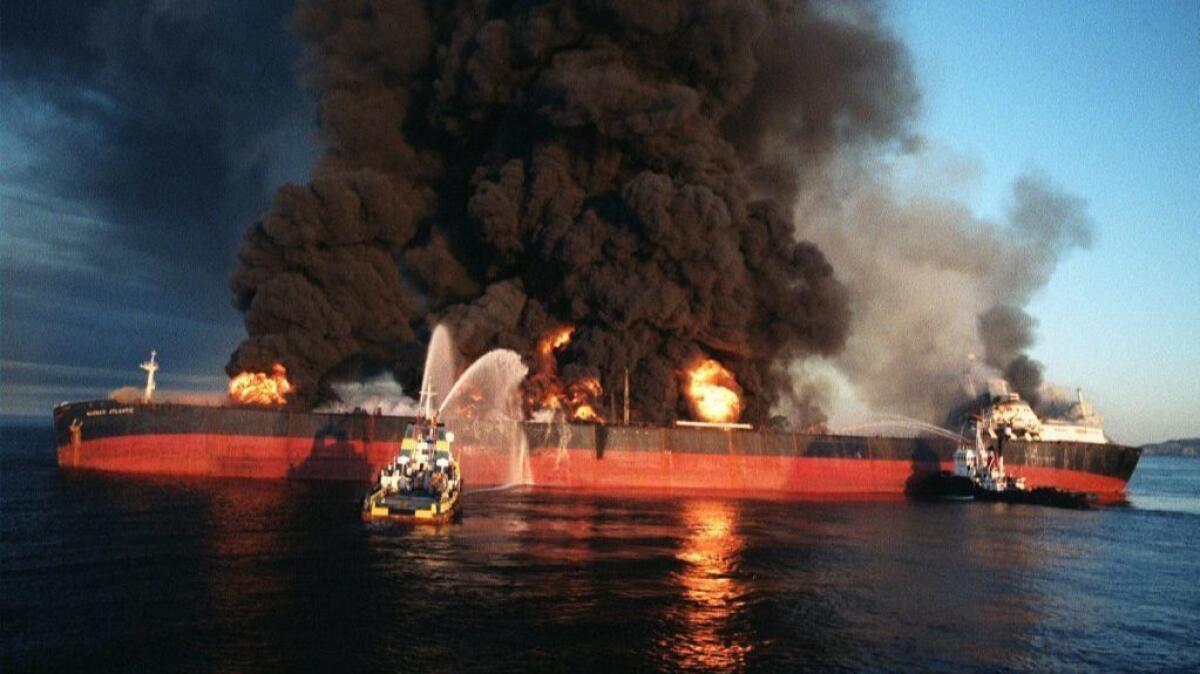
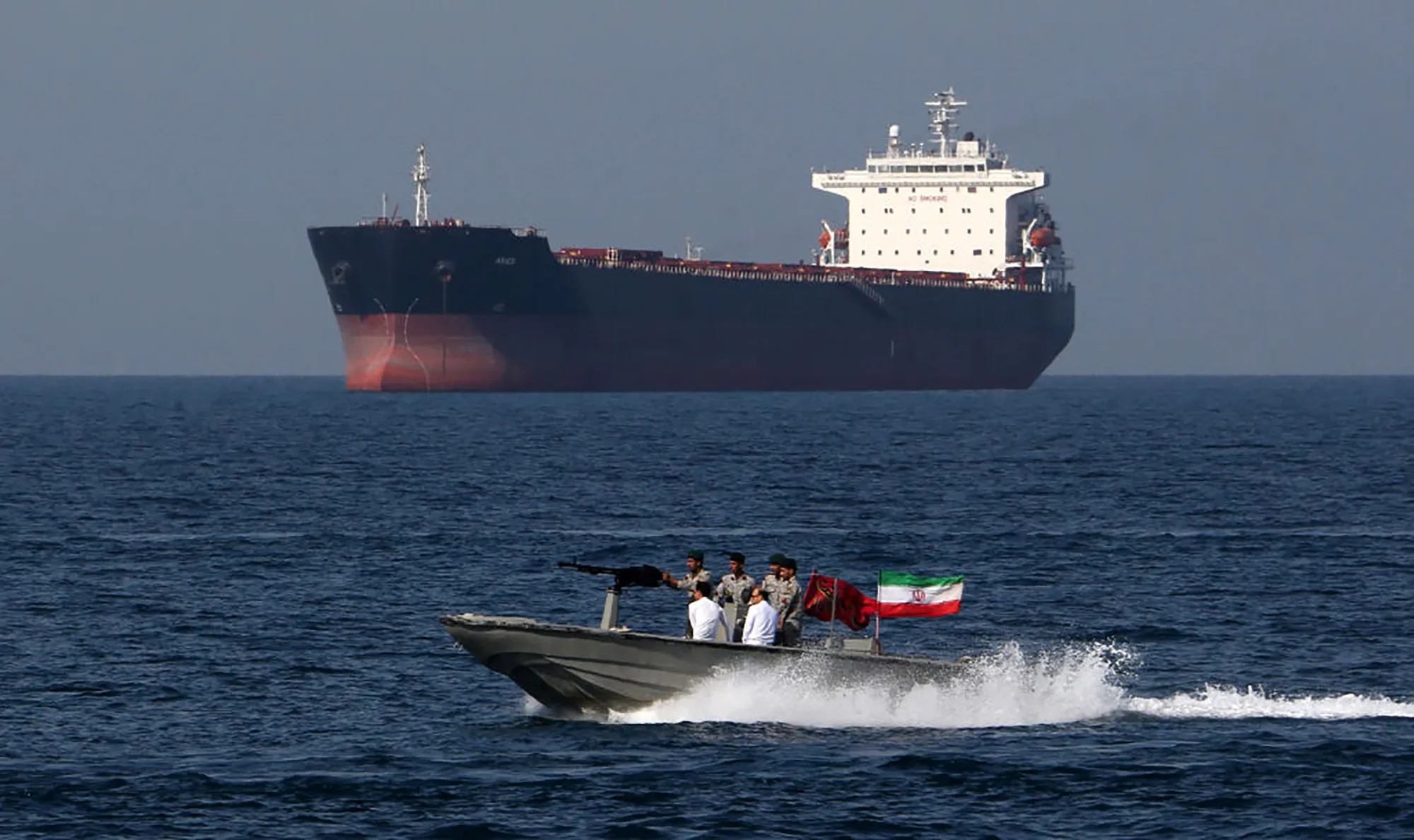
Vessels operating in the Gulf could see an increase in shipping costs. They could also see a reduction in risk appetite. This would happen if war risk coverage is withdrawn.
General notice of cancellation in respect of certain war risks
In a decision that underscores rapidly escalating security concerns across one of the world’s most critical energy corridors, a majority of the world’s leading maritime insurers have moved to withdraw war-risk cover for vessels entering the Persian Gulf. A Bloomberg report states that the International Group of Protection and Indemnity Clubs (IG) has issued notices saying that, as of midnight London time on March 5, war-risk insurance will automatically end for ships entering the Persian Gulf, adjoining waters, and Iranian territorial zones. More than half of the 12-member IG has taken this action
Seven major clubs,
Seven major clubs, including Gard AS, North Standard Ltd.The Swedish Club , Assurance Foriegn Skud , Amercian Club and the London P&I Club, made the move. It applies specifically to war-risk cover, while all other insurance terms remain unchanged.
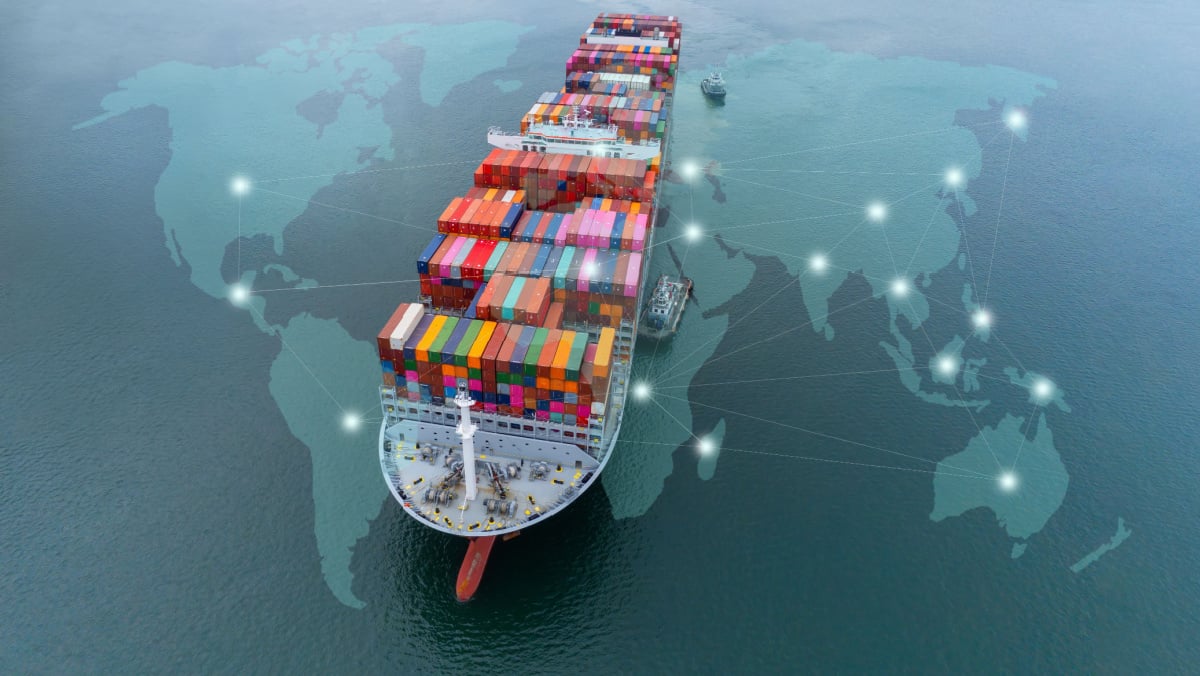
Losses arising from conflict-related risks
Losses arising from conflict-related risks such as war, terrorism, and piracy are covered by war-risk insurance for shipowners and charterers. The cancellation of this insurance is expected to significantly alter risk calculations for shipping companies operating in the region, potentially reducing traffic or increasing costs. If shipowners don't have insurance, they might avoid the region, demand much higher freight rates, or try to get alternative coverage at much higher premiums. These costs are usually passed along the supply chain, increasing the landed cost of crude oil and other commodities.
The IG clubs provide liability coverage for around 90% of the world's ocean-going tonnage
Collectively, the IG clubs provide liability coverage for around 90% of the world's ocean-going tonnage, making their decision a signal for the entire system rather than an isolated move. The withdrawal covers adjacent waters, including the Gulf of Oman and sea lanes stretching from Oman’s Cape al-Hadd to the Iran–Pakistan border. These are key transit routes for vessels entering and exiting the Gulf.

Pullback of the insurance companies
The insurance pullback comes against the backdrop of a sharp escalation in the Israel–Iran conflict, which has moved beyond proxy tensions into direct military confrontation. Recent developments — including joint US–Israel strikes on Iranian targets, the killing of Iran's Supreme Leader, and retaliatory missile and drone attacks on US bases — have heightened fears of broader regional instability and disruption to energy supply routes.
General notice
Assuranceforeningen Skuld (Gjensidige) (the "Association") published a statement on its platform confirming that it is closely monitoring the concerning developments in Iran and the wider Arabian/Persian Gulf. These developments have resulted in a materially heightened level of geopolitical and operational uncertainty. It is evident that reinsurers' appetite for war risk exposure is decreasing, which will result in reinsurers withdrawing capacity at short notice. Against this backdrop, the Association has decided to notify the Assureds of the cancellation of the War Risk Cover.
War risk premiums for the Persian Gulf before the strikes
Notably that before the strikes, war risk premiums for the Persian Gulf hovered around 0.25% of a vessel's hull value. Market analysts now expect those rates to jump by 50% or more as markets reopen. For a $100 million Very Large Crude Carrier (VLCC), a single voyage’s insurance cost could climb from $250,000 to nearly $400,000.
#IG #Global insurance companies#war risk premiums #Persian Gulf #Skuld# Amercian Club #piracy #terrorism #shipowners
You Might Also Like

20 October 2025
Recommendation News

Yachts&Cruises
Majesty 100 Terrace First Hull Handed Over 08 October 2025
Shipping Lines
Scorpio Tankers sells three tankers and buys four. 30 September 2026
Marine News Room
Pablo Rodas-Martini writes : RoRo terminals are cathedrals of logistics. 28 January 2026
Incidents
Grimaldi’s Grande Brasile set on fire en route to Aliaga (Türkiye) 17 October 2025