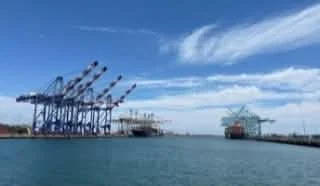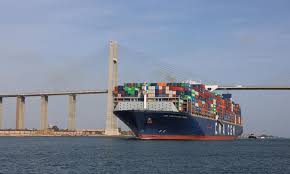
The global trade of oil and containers faces severe commercial risks if the Strait of Hormuz is closed.
The Houthis threaten to resume targeting ships in the Red Sea.
Amid heightened tensions between Iran, Israel, and the United States, the world is closely watching one of the world’s most strategic maritime corridors as it faces renewed pressure. The risk of disruption to maritime traffic through Red sea , Suez canal and the Strait of Hormuz has increased due to missile launches targeting cities in Iran and Israel. and Gulf states in United Arab Emirates, Kuwait, Qatar, Bahrain Jordan other countries that are candidates include Syria and Lebanon.
As of now, shipping traffic is still flowing through the Strait of Hormuz. However, it is reported that shipowners are becoming more cautious and choosing to avoid the Red Sea and the Persian Gulf. In light of the military strikes, many companies and vessels are preparing to reroute.
Strait of Hormuz
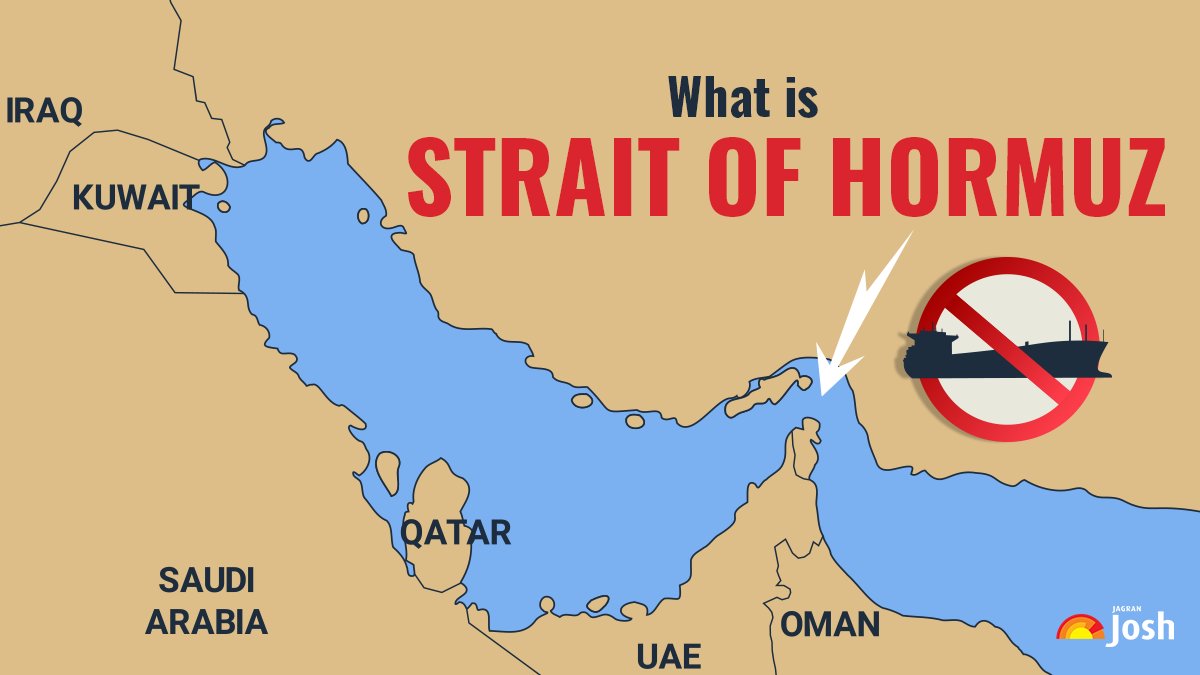
Iran has escalated its threats by considering the closure of the Strait of Hormuz, which would severely impact the global oil and container trades if it happens. The Strait of Hormuz connects the Persian Gulf and the Arabian Sea. About one-fifth of global oil shipments pass through the strait, which has handled approximately 34% of all seaborne-traded oil so far in 2025. Several neighboring countries have invested heavily in new pipelines to bypass the Strait, but several others (Kuwait, Qatar, Bahrain, and Israel) have no alternative routes for shipping goods. Hormuz not only an economic corridor but a first-order strategic axis.
The 1982 United Nations Convention
The Strait is regulated by the 1982 United Nations Convention on the Law of the Sea. The Traffic Separation Scheme (TSS), which is recognized by the International Maritime Organization of the UN, consists of two two-mile-wide shipping lanes: one for incoming traffic and one for outgoing traffic. The area is divided between Iranian and Omani territorial waters. Vessels could still proceed via alternative routes through the UAE and Oman.
The latest escalation, coupled with the threat of closing the Strait of Hormuz, could disrupt global supply chains, resulting in a spike in oil and natural gas prices. There are also potential commirtcial implications for the shipping industry,
Attacks targeting ships in the Red Sea will resumed.
Meanwhile, Yemen's Houthis have emerged from the shadows and are once again planning to encircle the Red Sea. The Ansar Allah movement officially announced the resumption of missile and drone attacks on U.S. ships and Israel in support of Iran.
Related : Report : Record-high oil tanker rates are the result of rising tensions between the US and Iran.
#Strait of Hormuz #The global trade #Iran #Gulf States # maritime traffic# Red sea # Suez Canal #Yemen's Houthis
You Might Also Like


Recommendation News

Marine Tech
Wärtsilä invests €90m to add 30% engine capacity by 2029 28 May 2026
Ports
First Official Visit: The Aida 4 ship docks at the Port of Algiers. 22 July 2026
Marine News Room
Exclusive with Gavin Allwright : Secretary General of (IWSA) ( 1- 3 ) 20 October 2025
Yachts&Cruises
New institutional leaders have been appointed to the Supervisory Board of Liberty Lines. 05 April 2026
Shipping Lines
U.S. Container Import Volumes Expected To Drop In First Half Of 2026 11 February 2026