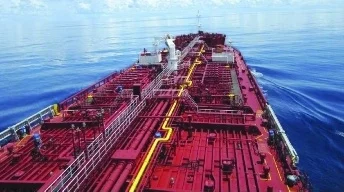
Greek authorities continue to prioritize the safety of seafarers and vessels, with ongoing monitoring and support for those affected
In a post on X, Maritime Affairs Minister Vassilis Kikilias stated that the Ministry of Maritime Affairs and Insular Policy is closely monitoring the situation in the Persian Gulf and the Strait of Hormuz.Ten Greek-flagged tankers, carrying 85 Greek seafarers, are effectively stranded in the Persian Gulf as they avoid the high-risk passage through the Strait of Hormuz.
Interview with SKAI TV
Meanwhile, in an interview with SKAI TV on Monday, Maritime and Insular Policy Minister Vasilis Kikilias emphasized the importance of shipping amid wartime conflicts. Sources at the Greek Ministry of Maritime Affairs say that authorities are closely monitoring developments in the region.
International shipping
Kikilisa emphasized that these developments directly affect international shipping and, consequently, the global economy. He noted that about 20% of the world’s oil and 20% to 25% of its natural gas pass through the Strait of Hormuz. This underscores the strait's importance and the potential ramifications of developments there for global economic activity. He described the targeting of seafarers as unacceptable and emphasized that ocean-going shipping should remain outside war conflicts. Unfortunately, reality does not support this.
Related : Report : Record-high oil tanker rates are the result of rising tensions between the US and Iran.
Ministry’s Operations Center
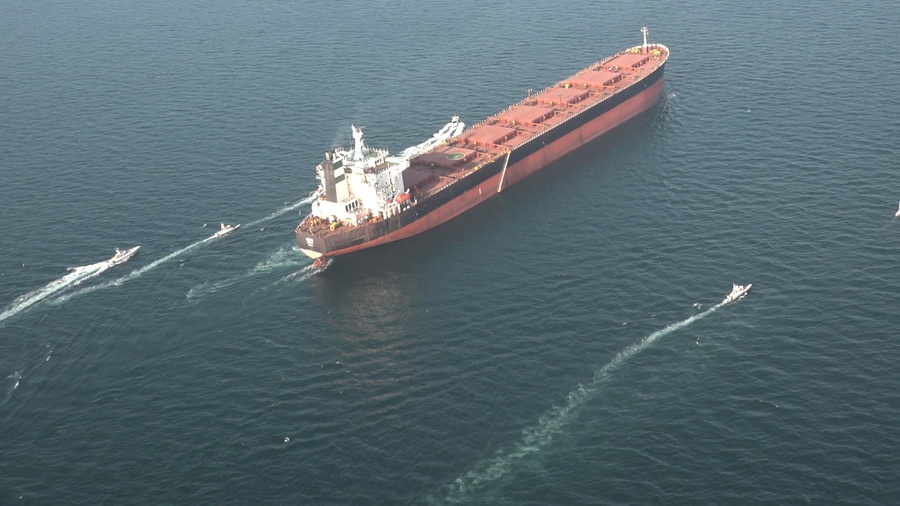
He noted that the Ministry’s Operations Center is in continuous contact with companies operating Greek-owned vessels in the area. The center provides guidance and recommendations, and keeps the broader shipping community informed of unfolding events. “We are on heightened operational alert and are doing everything required to ensure the maximum possible protection of Greek shipping
Operations Room is continuously on alert.
He stated that there are currently 10 Greek-flagged vessels in the Persian Gulf and five outside it. Additionally, there are approximately 325 vessels linked to Greece but flying foreign flags in the wider area. He clarified that the ten Greek ships have a total of 85 Greek seafarers on board who are safe and in constant communication. He added that the ministry's Operations Room is continuously on alert.
Importance of composure and extreme caution
The minister emphasized the importance of composure and extreme caution when making public statements, given that the duration and degree of escalation of the crisis are still unknown. He warned that closing the Strait of Hormuz would have enormous economic repercussions for shipping and global trade. He pointed out that all vessels heading toward the region are staying outside the Strait. Finally, he emphasized that the Greek government's primary priority remains protecting Greeks in the area.
The Strait of Hormuz's strategic vulnerability
Following the initial strikes, Greece's shipping ministry advised Greek-flagged vessels to exercise maximum vigilance and implement the highest security measures in these areas. The Strait of Hormuz's strategic vulnerability—through which about one-fifth of the world's seaborne oil and a significant portion of LNG typically flow—has sent shockwaves through global energy markets. This has prompted shipowners, insurers, and operators to take precautionary measures amid rising uncertainty and war-risk premiums.
The situation remains fluid,
Greek authorities continue to prioritize the safety of seafarers and vessels by providing ongoing monitoring and support to those affected. The situation remains fluid, with no immediate signs of de-escalation in regional tensions.
Agencies
#Greek authorities #The Strait of Hormuz #Vassilis Kikilias # SKAI TV #Ten Greek ships #85 Greek seafarers # Persian Gulf
You Might Also Like


Recommendation News
Yachts&Cruises
Costa closes 2025 with a profit of €1 billion and prepares to exit VTP. 08 May 2026
Yachts&Cruises
From Galveston : Royal Caribbean to Deploy Icon of the Seas in 2027 13 November 2025
Shipping Lines
(SANA) : Maersk Group suspends operations at Oman’s Salalah Port following Iranian attacks 30 March 2026
Ports
Circle Group wins €280,000 contract to digitize the port supply chain 26 December 2025
Shipping Lines
Egypt ships LNG cargo from Idku plant to Canada 13 January 2026