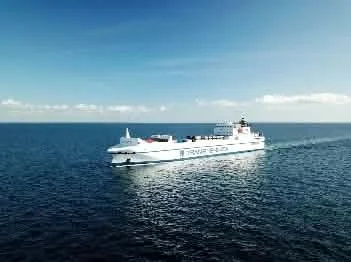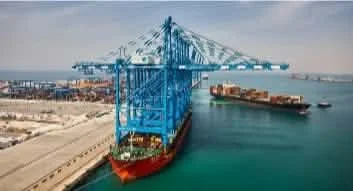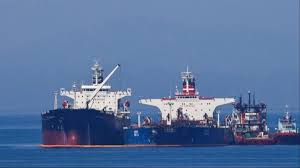
The Trump administration is implementing a $20 billion maritime reinsurance program through the DFC to resume Hormuz shipping.
The Trump administration announced a $20 billion reinsurance program aimed at reviving shipping in the Strait of Hormuz, where traffic has nearly stopped due to US and Israeli attacks on Iran.
Trump said that the White House will offer naval escorts, political risk insurance, and financial security guarantees for all maritime trade, especially energy, traveling through the Gulf. This is an effort to lower surging energy prices and provide financial protection for maritime shipping companies amid the war in Iran.

The plan to implement maritime reinsurance,
Meanwhile the U.S. International Development Finance Corporation (DFC ) has announced its plan to implement maritime reinsurance, including war risk insurance, in the Persian Gulf region. This initiative is aimed at fostering stability in regional trade. According to a statement, the facility will cover losses of up to approximately $20 billion "on a rolling basis" and will initially apply only to vessels.
Facilitate the flow of energy and commercial trade in the Gulf
The statement was made just days after President Donald Trump instructed the DFC to provide insurance "at an affordable rate" to facilitate the flow of energy and additional commercial trade in the Gulf as oil prices rise. Trump's comments followed suggestions from some governments, including the US, that insurance availability was hindering transit. Trump also said that the U.S. military may escort ships through the Strait, though no plans have yet been announced.
DFC's plan to restore confidence in maritime trade
"I am grateful to President Trump and Secretary Bessent for supporting and approving DFC's plan to restore confidence in maritime trade and stabilize international markets. Working alongside CENTCOM, DFC coverage will provide a level of security that no other policy can. We are confident that our reinsurance plan will ensure the flow of oil, gasoline, LNG, jet fuel, and fertilizer through the Strait of Hormuz to the rest of the world,” said DFC CEO Ben Black.
Approximately 20% of the world's oil, gas,
Notably approximately 20% of the world's oil, gas, and other products are transported through this strait. Iran has threatened to attack ships passing through the waterway, causing prices for oil and other fuels to surge. The development agency stated that DFC and Treasury are working closely with CENTCOM on the next steps for implementing the plan. CENTCOM is the US military's Central Command
The insurance is not the main problem
While Matt Wright, a senior freight analyst at the consulting firm Kpler, said that insurance is not the main problem for ship owners right now. "Tankers are not moving through the Strait because they are worried about their physical security," Wright said."Iran's capacity to wage war has diminished, and this must be recognized," Wright told CNBC.
Meanwhile Kpler confirmed that, in energy markets, LNG disruptions and tighter gas inventories could increase European coal demand. Meanwhile, petcoke flows through the Strait of Hormuz face supply risks. Grain markets remain stable, but fertilizer trade through the Strait of Hormuz is vulnerable. Freight markets have experienced higher bunker costs and war risk premiums.
About DFC
The U.S. government's international investment arm is known as DFC. DFC partners with the private sector to mobilize capital for strategic investments worldwide. Their projects foster economic development. They strengthen U.S. foreign policy and national security by providing loans, equity investments, and political risk insurance for projects in energy, infrastructure, and technology.
Related : Washington declares the Strait of Hormuz, free of Iranian naval presence.
Agencies
#Matt Wright # DFC # Kpler # insurance #CENTCOM # Trump administration #Trump # Freight markets #energy markets # Treasury
You Might Also Like
Recommendation News
Shipping Lines
Eni prepares third FLNG for Mozambique 28 June 2026
Shipping Lines
Grimaldi launches new shipping line between China and Australia 06 February 2026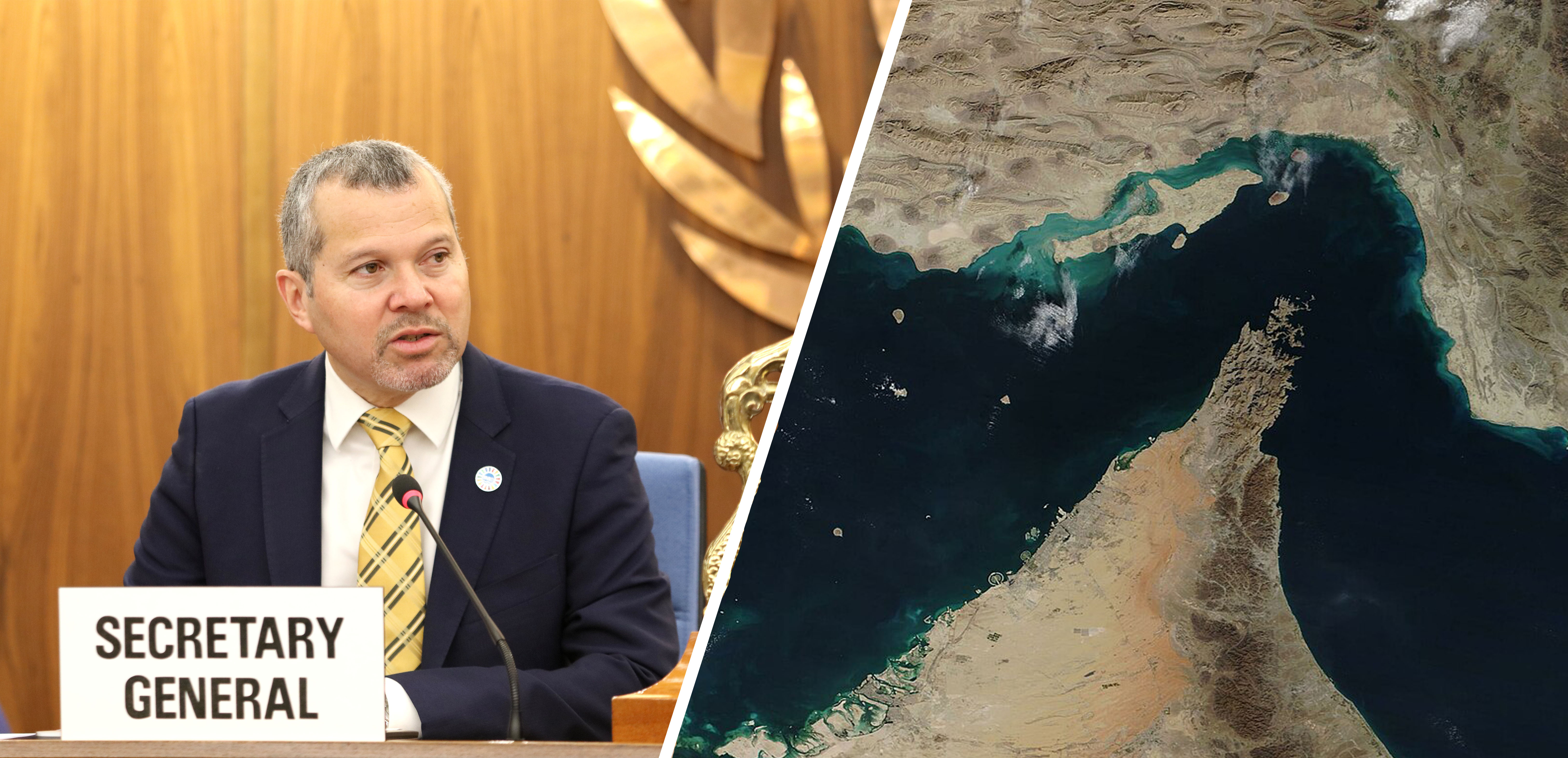
Marine News Room
IMO :Statement on the Strait of Hormuz 02 March 2026
Ports
Suez Canal now accounts for 57% of the Mediterranean–Asia backhaul container routes. 18 September 2026
Shipping Lines
Baltic Exchange hosts annual forum during Singapore Week 19 October 2025