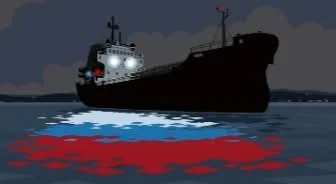
This statement does not mean that the region is safe. Iran can still target ships with drones, missiles, or mines.
Egypt announced the possibility of transporting Saudi oil across the Mediterranean Sea via the Sumed pipeline from the port of Yanbu
Washington announced that it had "neutralized" Iranian naval vessels in the Arabian Sea, the Strait of Hormuz, and the Gulf of Oman. The U.S. asserts that no Iranian vessels are currently operating in these areas. Iran has not commented on these statements.
In a video statement, US Central Command Chief Brad Cooper said that the US military had destroyed 17 Iranian naval vessels and that the operation would continue. “We are in the process of sinking the entire Iranian Navy.”
Neutralizing
Neutralizing the Iranian Navy does not ensure the safety of the region, as Iran can still target ships with drones, missiles, or mines planted in the water. Additionally, reports indicate that a ship was hit by an unidentified projectile following the American statement according to experts
U.S. development finance arm
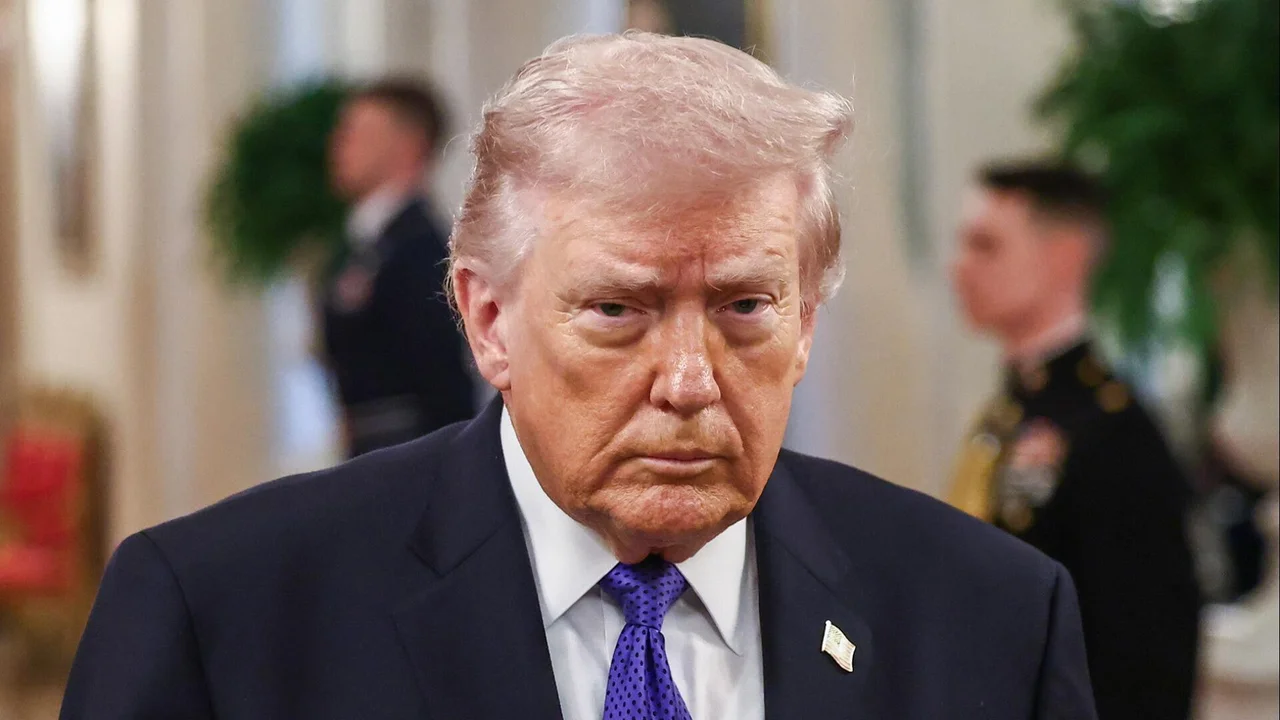
Meanwhile, President Donald Trump ordered the U.S. development finance arm to provide political risk insurance for tankers carrying oil and other goods through the Persian Gulf "at a very reasonable price." He also indicated that the U.S. Navy will escort tankers through the Strait of Hormuz if necessary.
Guarantees for the financial security of all maritime trade
”"Effective IMMEDIATELY, I have ordered the United States Development Finance Corporation (DFC) to provide, at a very reasonable price, political risk insurance and guarantees for the financial security of all maritime trade, especially energy, traveling through the Gulf," Trump wrote on his Truth Social platform. "If necessary, the United States Navy will begin escorting tankers through the Strait of Hormuz as soon as possible." Trump said the measure would be available to all shipping companies, adding that Washington would ensure the “free flow of energy to the world.”
Related : A ship carrying oil was hit in the Strait of Hormuz

Impotence of the Strait of Hormuz
The Strait of Hormuz is one of the world’s most critical energy chokepoints. Located between Oman and Iran, it links the Persian Gulf to the Gulf of Oman and the Arabian Sea. Oil and gas shipments from Saudi Arabia, Kuwait, Iraq, Qatar, Bahrain, the United Arab Emirates, and Iran pass through this narrow waterway. Roughly 15 to 20 million barrels of crude oil transit the strait each day, accounting for about one-fifth of global consumption. Disruptions to traffic there can quickly shake global energy markets. According to the United Nations Convention on the Law of the Sea, transit through international straits is permitted unless the passage is physically obstructed.
Alternative route.
However, the U.S. Energy Information Administration reports that, although Saudi Arabia and the United Arab Emirates have pipelines that can bypass the Strait of Hormuz, most oil exported from the region has no alternative route. Meanwhile, Egyptian Petroleum Minister Karim Badawi announced the possibility of transporting Saudi oil across the Mediterranean Sea via the Sumed pipeline from the port of Yanbu
Trump's decision
Trump's decision to offer political risk insurance and potentially escort ships through the Strait of Hormuz could encourage shipping companies to continue traveling through it. However Iran’s Revolutionary Guards have issued VHF radio warnings declaring that “no ship is allowed to pass” the Strait of Hormuz.
Oil prices around the world surged
Iran has previously targeted ships in the region during periods of heightened conflict, and threats to the waterway have historically triggered spikes in global oil prices. Even without a formal blockade, insurers and shipping companies may decide that the risks are too high
Related : ICS & ESCA : Statement on the situation in the Straits of Hormuz
Source : Agencies
#Iran #Trump's decision #global oil prices #U.S. Energy# United States Navy #Brad Cooper #(DFC) #Iranian naval vessels #Strait of Hormuz #Arabian Sea, #Saudi Arabia #UAE
You Might Also Like
02 November 2025

Recommendation News

Incidents
A Turkish cargo ship sank after a collision in the Marmara Sea, leaving 10 crew members missing. 02 September 2026
Incidents
Mysterious :Causes of the fire of ASL BAUHINIA in the Red Sea 16 October 2025
Incidents
U.S. Coast Guard seizes Panama-registered Oil tanker moving sanctioned of Coast Venezuelan 11 December 2025
Shipping Lines
Amer Shipping and Van de Graaf & Meeusen establish a Belgian chartering office, TriBarge 21 October 2026