I’m always interested in checking the efficiency of a boat and, to do that, I developed a calculation system with over 1.500 boats in.
If you do not have the right idea and adequate knowledge, AI, VR, and all other tools are meaningless.
I would be very happy if we could bring back the mastery of Bertone, Giugiaro, Pininfarina, as well as the golden era of Taylors.
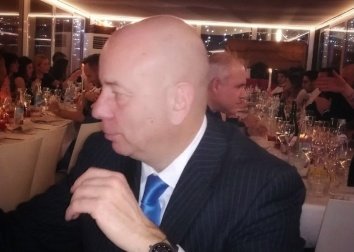
He is a visionary who is redefining the essence of luxury and aesthetics on the high seas : the renowned Italian designer Alessandro Bacci. With a unique perspective that seamlessly blends timeless Italian elegance with futuristic technological solutions, Bacci has transformed yachts from mere vessels into floating masterpieces of innovation
He was born and raised in Venice, where I developed his passion for water and boats. Rowing, sailing, and powerboats. His first time in a magazine dates back to 1980. He has designed sailboats, windsurfs, transport boats, motorboats, and pedal boats that are always efficient. His FTS (Flow Trimming Step) hull allowed him to design and build the world's fastest single-engine monohull, the Rialto Sette50
He has collected data from over 1,000 boats, creating a powerful and useful spreadsheet. Efficiency through the best combination of hull shape and propulsion driven by relative speed.
In this exclusive interview for Maritime Tickers, we will dive into his professional journey, explore the philosophy behind his cutting – edge design, and discuss his vision for the future of the luxury yachting industry
Why did you choose to enter the world of yacht design?
I was born in Venezia where children go boating instead of biking, and I always had a “good hand” so designing boats had always been part of my life. My schoolbooks are full of boats I designed. We could say that I didn’t choose to enter the world of boat design: I was born in the world of boat design.
What are the distinguishing features of the Italian design school?
Italy is worldwide known for style and elegance in fashion, but I don’t think we can talk about Italian Design School, especially today, when all creations are alike, and many of the Design Studios are now in strangers’ hands. I would be very happy if we could bring back the mastery of Bertone, Giugiaro, Pininfarina, as well as the golden era of Taylors.
How many yachts have you designed?
When I started designing boats, Venice was full of boatyards building wonderful wooden boats. Burano was the Island of typical Venetian boats, both for pleasure and work. Plywood motorboats were built everywhere around the city. I designed countless boats: drinks transport boats, pleasure motorboats, racing motorboats, windsurf, watertaxi, displacement boats for Venezia…
Which yacht attracts your attention, who owns it, and why?
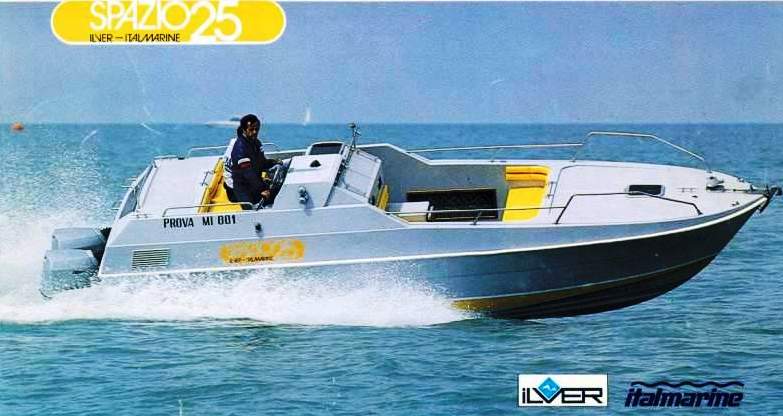
Unfortunately, today I do not see many “nice” boats… I can recall something from the past, like FC 155 Stain and Italmarine Spazio 750. I’m always interested in checking the efficiency of a boat and, to do that, I developed a calculation system with over 1.500 boats in.
-What is the unique mark you try to put on every yacht you design?
Even if my work is not “aesthetic”, proportions, smooth lines, balance, and elegance must always play an important role in the design, together with the right trim.
And how do you make sure that the way it looks meets the way it functions?
Through the years, I developed my unique and exclusive way of “building” the design. This, together with my technical knowledge, allows me to produce well-balanced designs that always respect the predicted performance. It is then important that the boatyard strictly follows my input in terms of weight and weight distribution. I always put this point in the design contracts I sign.
-Where do you draw your inspiration from when starting a new project, whether it's nature, architecture, or something else?
My work is strictly technical, leaving no space for inspiration. Functionality and efficiency are the key words.
The yachting world is shifting towards sustainability. How can you incorporate green technologies and eco-friendly materials into your designs?
Green is an overrated word: when you see semi-displacement yachts with a big, wide, square stern creating a big wake, you cannot really talk about “green”. I believe the designers should pay more attention to this aspect. How can we speak about “green” when a yacht is sailing a few meters with one liter of fuel? Speed is always expensive, so we need to find a way to increase the efficiency of our boats. Eco-friendly materials are a different matter, and they can play an interesting role in this business.
What is your vision for the future of luxury yacht design over the next decade?
I believe luxury yacht design should go back to basics, where technology was driving the projects. It seems we forgot the way Peter Du Cane, Ugo Costaguta, Paolo Caliari, Dick Bertram, and Renato Sonny Levi were designing boats…
Which current trend do you think will soon disappear?
I’m convinced planning boats’ vertical bows will disappear unless we find a convenient solution to make them seaworthy (I have some ideas…).
Which project has presented the greatest challenge in your career so far?
In the past: the drinks transport boat for Venezia and the plywood fast daycruiser I designed for a Venetian boatyard. Today: a variable load unmanned five-meter boat, and a 90-meter food transport fast boat. And why? The drinks transport boat was very unconventional for that time (and still today is):
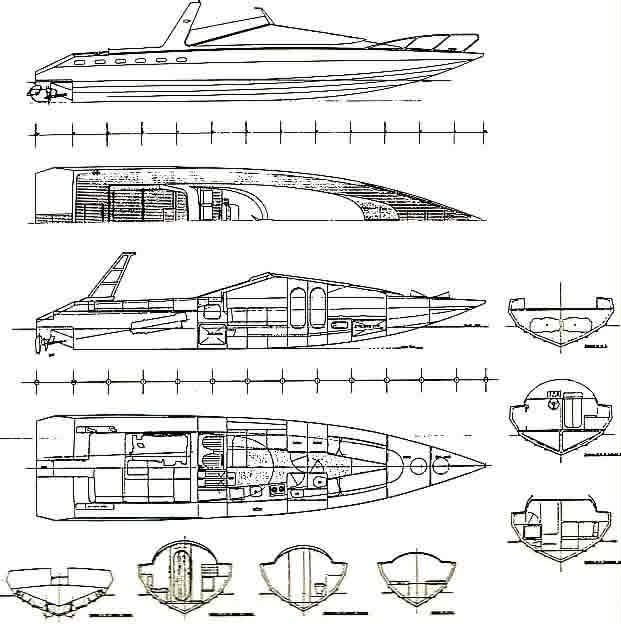
I designed the boat “around” the needs of the customer. She was “obviously” sailing very, very well! When I started designing the 20’fast daycruiser with my FTS (Flow Trimming Step) hull, I decided to try the Levi Drive Unit (LDU) that was quite big for that size of boat. My calculation was giving me a Speed of 60 knots and something. Engineer Gianni Patrone from LDU wrote me a fax stating that a single-engine monohull cannot do that speed. Their calculation was giving 45, maximum 48 knots…
I need to underline that at that time, LDU had just won the Blue Riband with Virgin Atlantic of Richard Branson (big experience). So they arrived for the very first sea trial with a 48-knot prop. The BPM engine was supposed to run at 4.200 RPM. When we hit the water, we did 55 knots at 5.600 RPM… After two more props, we eventually reached the speed of 62 knots, as my Performance Prediction said. Challenging was also the installation because the LDU drive shaft and gear were pushing the engine forward, so we had to find the proper balance.
Related : Bacci, the Venetian Designer Who Built the World’s Fastest Single-Engine Monohull
In what ways have modern technologies, such as AI and virtual reality, changed the way you work?
I believe AI, virtual reality, CFD, and all technologies are only tools for the human brain, which is still the most advanced “technology” available. If you do not have the right idea and adequate knowledge, AI, VR, and all other tools are meaningless.
Do you think that a yacht reflects its owner's or the designer's personality?
I believe a yacht should reflect the owner's vision made real by the designer.
What advice would you give to young designers aspiring to enter the world of superyacht design?
I believe a good yacht designer must first be a good sailor first. I was lucky to be born in Venezia where I could row, sail, and powerboat.
What is your view on yacht tourism between Egypt and Italy, and how can it be revitalized in light of the two countries' distinguished maritime relations?
I’m not an expert in this field, but it seems to me that rental boats could be a good solution.
#Alessandro Bacci # Italian designer# FTS hull #CFD #LDU #AI #golden era of Taylors # Venice
You Might Also Like

Recommendation News
Incidents
Iran claims an attack on another MSC ship in the Persian Gulf 03 June 2026
Ports
Rabie witnesses MoU with the Namibian Ports Authority 17 December 2025
Marine Tech
ABS Joins Hanwha Shipping for Naming Ceremony of First VLCC in New Fleet 29 August 2026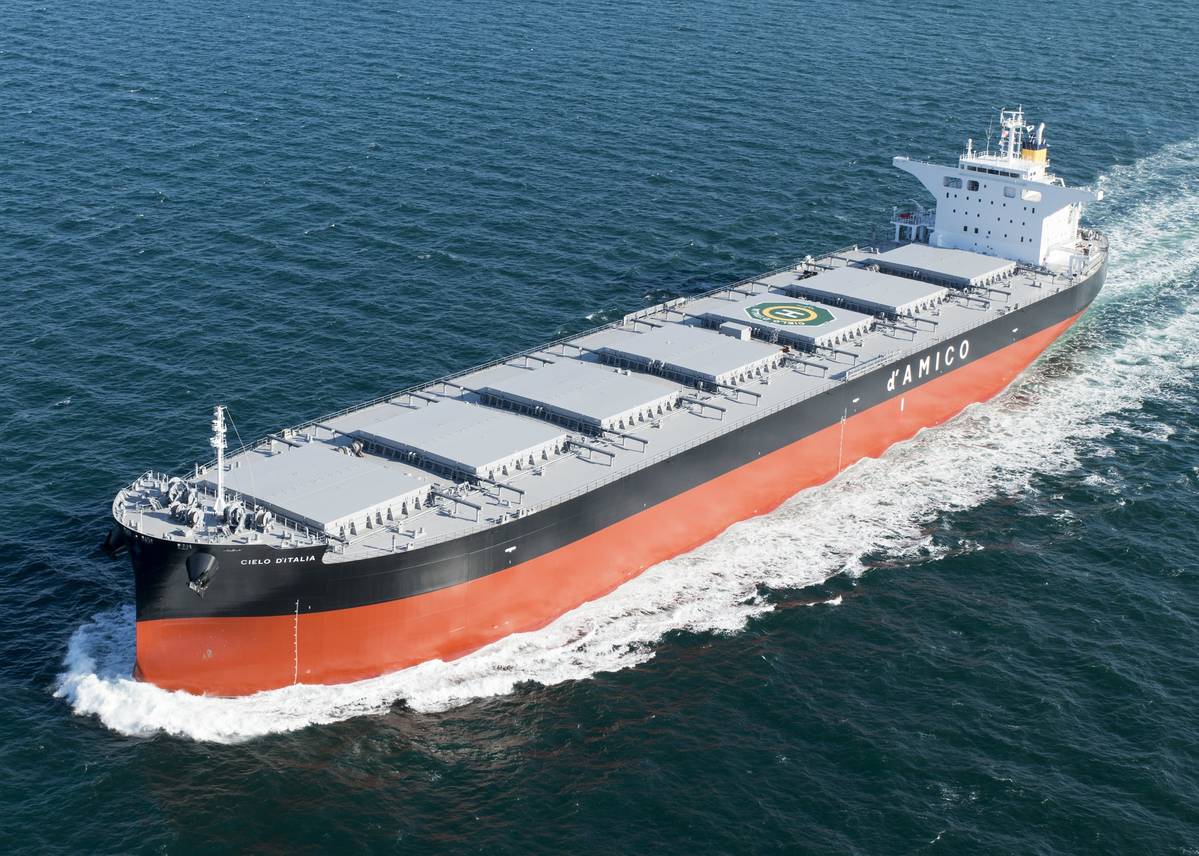
Shipping Lines
D'Amico I.S. announced an increase in time charter coverage. 26 February 2026
Marine Tech
Yang Ming names third LNG dual-fuel boxship in South Korea 29 June 2026