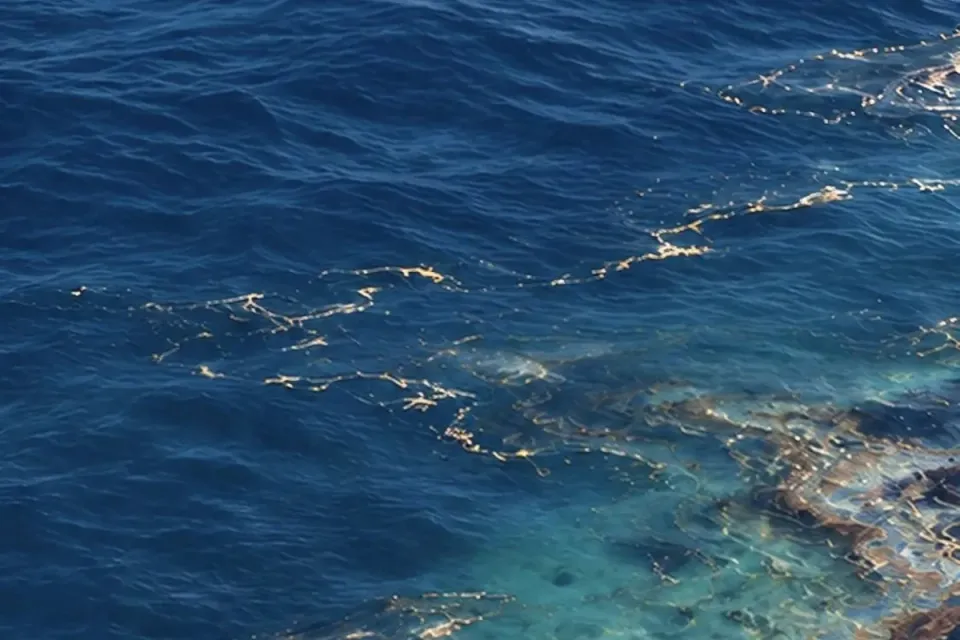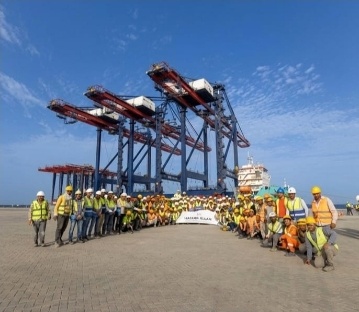
The scale and pace of investments by Gulf port giants in Egyptian terminals, particularly in Safaga, are part of a global strategy to transform these ports into major logistics hubs
 r
r
By: Kholoud Adnan
The map of intense logistical influence south of the Red Sea shows how ports are no longer just places where ships and goods meet. Instead, they have changed into smart management hubs that are changing international supply chains.
At the heart of this equation is the Egyptian port of Safaga. It is one of the most complex and important strategic transformation points. For decades, the port was known as a traditional station for passenger movement and dry bulk cargo. However, it is now undergoing a complete overhaul of its operational and geopolitical identity to take the lead as an integrated 'global container terminal'. This is being managed under a strategic partnership contract with the 'Abu Dhabi Ports Group' and its international arm, 'Noatum Ports'.
"Repositioning" Egypt as the logistics hub
This structural shift represents more than just the usual deepening of berths or expansion of storage yards; it is a process of "repositioning" Egypt as the logistics hub along the shipping routes connecting East Asian and Gulf markets to the European and African continents.
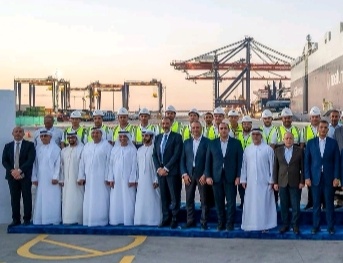
The port's new coordination has given it exceptional handling capacity, allowing it to receive and accommodate the new generation of giant container ships for the first time. It can also now capture a significant market share of transshipment trade passing through this vital waterway.
A global strategy to transform these ports into major logistics hubs
The port’s growing regional competitiveness gives the Egyptian state greater flexibility in its geopolitical manoeuvring by creating an alternative maritime and logistics axis to the ports in the north and east. This axis is capable of absorbing shocks and efficiently distributing flows.
Reports by the international maritime platform Splash247 have revealed that the scale and pace of investments by Gulf port giants in Egyptian terminals, particularly in Safaga, are part of a global strategy to transform these ports into major logistics hubs. These hubs will be able to provide maximum resilience for global supply chains in the event of repeated geopolitical disruption.
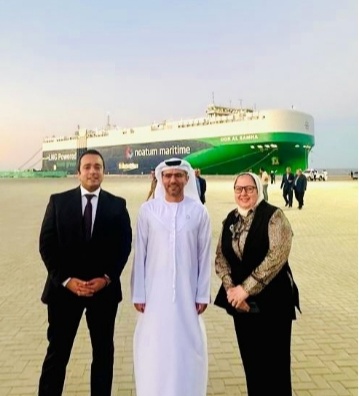
The 'Golden Triangle' project in Upper Egypt
The development of Upper Egypt is inextricably linked to the development of the port in Safaga from a local economic perspective. The 'Golden Triangle' project in Upper Egypt is set to become a major natural trade hub for maritime and logistics, with the port acting as its main outlet. The region's abundance of mineral resources and promising industrial zones make it an attractive investment prospect. This development will connect Upper Egyptian governorates directly to global shipping traffic, ending their reliance on northern ports and the high transport costs incurred by companies.
The geographic linkage
This geographic linkage has the effect of reducing cargo transit times to an unprecedented degree, and it provides an attractive environment for industrial investments in southern Egypt. The region now has an international seaport just a few kilometers away. In addition, the port will soon integrate with the high-speed electric rail network (the third line), which will connect Safaga with Luxor, Qena, and Aswan, reaching Egyptian ports on the Mediterranean Sea, thereby creating a land and sea logistics corridor that reduces both time and cost.
Related: Abu Dhabi Ports Opens Strategic Safaga Gateway.
This integrated corridor puts Safaga in direct competition with other trade routes in the region. According to analyses by Lloyd’s List, the historic British newspaper and the world’s oldest maritime shipping magazine, transforming Safaga into a logistics hub linking Upper Egypt with the Red Sea would represent a significant geopolitical leap for Egypt. The project would contribute to securing fast internal trade corridors and reducing transportation costs, giving Egyptian exports a strong competitive advantage in global markets and increasing the attractiveness of the Red Sea region as a whole.
The War of Corridors
The new operational landscape of Safaga Port must be understood in the context of current geopolitical tensions and the militarisation of waterways in the Red Sea basin . The current situation in the region, where international shipping is engaged in what can only be described as "corridor wars" and supply chains are being directly targeted at critical straits, is forcing the Egyptian state to have flexible and highly secure logistical alternatives.
Related: AD Ports Group Acquires CLI, Brazil’s Leading Agri-Bulk Port for over AED 3 Billion
Here, Safaga evolves from a mere commercial project into a 'strategic buffer wall' that bolsters national economic security by offering a secure maritime anchorage in the heart of the Red Sea. This allows goods to be received and distributed internally via modern land and rail networks, eliminating the need to pass through volatile conflict zones.
This change in the way they do things means Egypt is seen as a key player in the region, able to look after the interests of other countries and make sure their trade is safe, even during times of political upheaval. According to reports on geopolitical analysis issued by Lloyd's List, investment in key ports in the central and southern Red Sea demonstrates a forward-looking vision for the future.
#Lloyd's List #Safaga Port# Red Sea #Noatum Ports #Abu Dhabi Ports #Egypt#Golden Triangle' project
You Might Also Like

27 November 2025

Recommendation News

Shipping Lines
Baltic Exchange hosts annual forum during Singapore Week 19 October 2025
Ports
LR and Mawani partnership to enhance skills and operational performance across Saudi Ports 24 December 2025
Marine News Room
IMO Council 2026 -27 category A without Russia 29 November 2025
Shipping Lines
PortXL presents its 2026 cohort of 11 maritime startups and scale-ups 01 October 2026
Marine Tech
India's ship certification body adopts a stricter approach to sanctioned tankers. 10 June 2026