The Arab yacht-building industry is younger, but that is also part of its strength.
At Gulf Craft, we have proven that yachts designed, engineered and manufactured in the UAE can stand confidently beside those from any established international shipyard
SYSC – our Superyacht Service Centre in Ajman is another important step. Building yachts is only one part of the journey.
Transforming the Gulf and the wider Arab region into a global hub for marine manufacturing and innovation
More than four decades later, that same passion for boats, the sea and national capability continues to drive us
By: Magdy Sadek
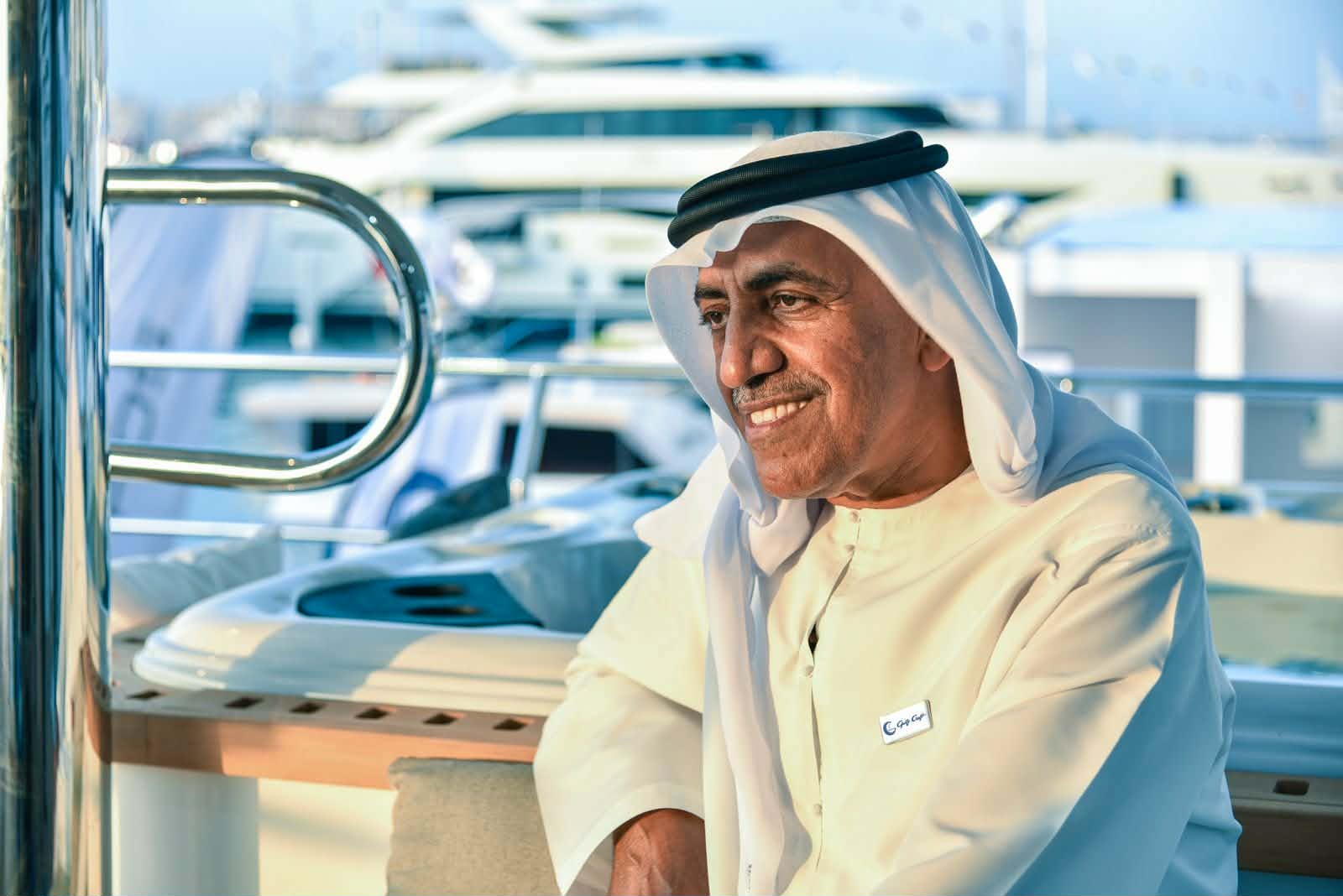
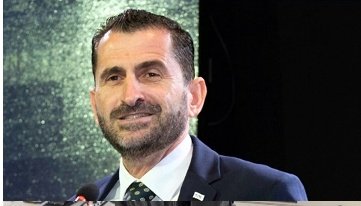
His Excellency Mohamed Hussein Al Shaali is a remarkable and exceptional person who possesses both high-level diplomatic expertise and pioneering leadership skills in the yacht-building industry and the global marine sector. He has had a distinguished career representing the UAE globally for over three decades. He served as Minister of State for Foreign Affairs from 2006 to 2008 and as Permanent Representative of the UAE to the UN from 1984 to 1992, during which time he was one of the youngest presidents of the UN Security Council. As non-resident Ambassador to Canada, Argentina and Mexico, he played a pivotal role in regional affairs, leading to the formation of the GCC.
His Excellency Mohamed Hussein Al Shaali has been the Co-Founder and Chairman of the Gulf Craft Group since 1982. He led the company's transition from a local boat builder to a globally recognised luxury yacht and superyacht manufacturer.
His Excellency Mohamed Hussein Al Shaali is characterized by his bold innovations, having led the company in challenging traditional concepts in mega-yacht construction. Under his supervision, the company launched the Majesty 175, the world's largest superyacht constructed from composite material. This was a major step forward in engineering, as it reduced weight and increased fuel efficiency. Market trends are closely monitored by His Excellency Al Shaali, who also makes sure that specialised brands like Nomad and Majesty are strengthened to cater to owners who value privacy and exploration. In an exclusive interview with Maritime Ticker, he highlighted that the Arab yacht-building industry is relatively new, but this is also one of its strengths, emphasising that at Gulf Craft, we have proven that yachts designed, engineered and manufactured in the UAE can hold their own against those from any established international shipyard.
Gulf Craft established itself as a leading global yacht builder
Gulf Craft has successfully established itself as a leading global yacht builder. How do you assess the current competitiveness of the Arab yachting industry against European and American giants, and what is the next step to bridge any remaining gap?
The competitiveness of the Arab yachting industry should not be measured only by age. Europe and America have had many decades to build their reputations, supplier networks and specialist skills. The Arab yacht-building industry is younger, but that is also part of its strength. We are not bound by tradition in the same way. We can be faster, more agile and more open to new ideas.
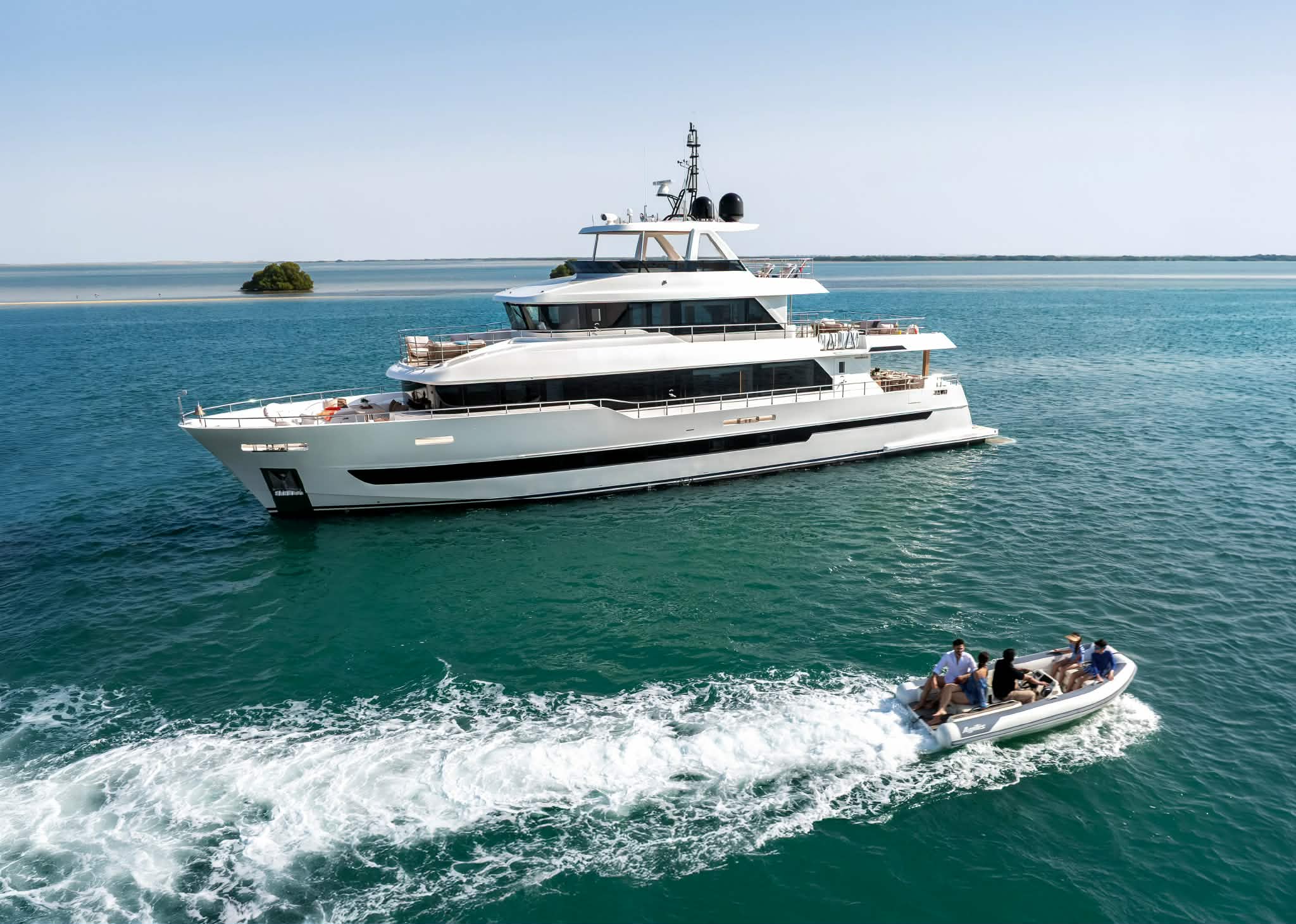
At Gulf Craft, we have proven that yachts designed, engineered and manufactured in the UAE can stand confidently beside those from any established international shipyard. Our vertically integrated model gives us greater control over design, engineering and production, which is a major advantage in delivering yachts with consistency and confidence. Through Majesty, our flagship yacht and superyacht brand, we are competing on the international stage with vessels that reflect the capability, craftsmanship and ambition of this region. Our recently launched Majesty 145 is an important example of that. It was not only a yacht, but a statement that the UAE has the expertise and industrial maturity to deliver complex, world-class superyachts from its own soil.
Today, we have nearly 45 years of experience behind us, not only in how to build yachts, but in every aspect of the yachting business, from design, engineering and production to marketing, international sales and after-sales support. That experience gives Gulf Craft a strong foundation as we continue to compete on the global stage. Noting that at Gulf Craft, we have proven that yachts designed, engineered and manufactured in the UAE can stand confidently beside those from any established international shipyard
The biggest challenges facing the yachting industry in the Arab world
You have always been a strong advocate for developing local infrastructure and manufacturing capabilities. What are the biggest challenges facing the yachting industry in the Arab world (e.g., supply chain, skilled labor) and how is Gulf Craft leading the charge to overcome them?
The two biggest challenges are people and supply chain. Yacht building is not a simple assembly business. It requires skilled craftsmen, engineers, designers, and project managers who understand both the technical precision and the emotional value of a yacht. In the Arab world, we also need a stronger supply base. Many specialist components still come from Europe or other mature marine markets. That is normal for a global industry, but if we want the region to become stronger, we must develop more capability closer to home.
Gulf Craft has always believed in building capability, not only buying it. We have invested in our shipyards, our people and our processes over many years. Our facilities in Umm Al Quwain, Ajman and the Maldives are part of that long-term vision. We also have a strong in-house Training Centre to develop new talent and upskill our teams.
SYSC – our Superyacht Service Centre in Ajman is another important step. Building yachts is only one part of the journey. Owners also need service, maintenance and refit support close to where they cruise. By investing in manufacturing, training and after-sales infrastructure, Gulf Craft is helping create a stronger marine industry for the UAE and the wider region.
Sustainability and eco–friendly yachts (hybrid and electric).
The global market is shifting heavily towards sustainability and eco–friendly yachts (hybrid and electric). How do you plan to leverage these modern technologies to enable Arab – made yachts to lead the global luxury sector rather than just keeping pace with it?
At Gulf Craft, we approach sustainability by looking at the full yacht, not only the propulsion system. The real opportunity is to use our design flexibility, vertical integration and in-house engineering capability to make every part of the yacht more efficient, from hull design and material selection to heat recovery, solar support, hybrid systems and smarter energy management. These solutions cannot work as separate features. They must come together as part of one complete yacht.
At the same time, we do not believe innovation should happen in isolation. We continue to work with leading international technology partners, designers and specialist suppliers to bring the right solutions into our yachts. The objective is not to follow every trend, but to adopt technologies that improve efficiency, durability and the overall ownership experience.
The Arab region has a strong opportunity to lead because we understand demanding marine environments, long cruising seasons and the importance of practical reliability. A sustainable yacht must still be safe, enjoyable and easy to own. This is where we believe Arab-made yachts can make a meaningful contribution to the future of the global luxury sector.
A global hub for marine manufacturing and innovation
As a pioneer in this field, what is your vision for transforming the Gulf and the wider Arab region from being just a " consumer and importer market " for luxury yachts into a " global hub for marine manufacturing and innovation "?
I have always believed the region can be much more than a consumer and importer of boats and yachts. We have the coastline, the maritime culture, the capital and the ambition.
My first vision for Gulf Craft was to create a place where yachts are imagined, designed, built and serviced. Later, that vision expanded to exporting our products across the region and to the rest of the world. Today, this has become a reality. When a yacht built in the UAE arrives in Europe, Asia or America, it carries more than a brand name. It carries a message about what this region can achieve.
Related: Erwin Bamps, the CEO of Gulf Craft, in an exclusive interview with Maritime Tickers.
For the wider region, the next step is to continue developing the foundations of a true marine industry. We need more marinas, training centres and stronger cooperation between government and the private sector. This requires patience. Industrial capability is not built overnight. It is built through consistency, investment and long-term belief.
The future should not be about one company only. It should be about building a marine industry that creates opportunities for engineers, designers and young entrepreneurs across the region. That is how we move from consumption to creation.
Between the corridors of international diplomacy and heading one of the world's largest yacht shipyards
Throughout your distinguished career, you have moved between the corridors of international diplomacy and heading one of the world's largest yacht shipyards > how has your diplomatic background and political foresight influenced your management and global expansion of Gulf Craft? Furthermore, was your entry into the yachting industry a mere " investment coincidence " or was it driven by a true love and passion for the sea" ?
Diplomacy taught me patience, listening, and long-term thinking. In diplomacy, you learn that relationships are built over time. You also learn that trust is more valuable than any short-term gain. I brought that same philosophy into Gulf Craft.
Yacht building is also an international business. Our clients, partners, suppliers and dealers come from many different cultures and markets. My diplomatic experience helped me understand how to build bridges, how to respect different expectations and how to represent the UAE with confidence on the global stage.
My entry into yachting was never only an investment decision. It came from a real connection to the sea and a belief that the UAE could build something of its own. When we started Gulf Craft in 1982, the idea of an internationally recognised yacht builder from this region was not obvious to everyone. But we believed in it, and we felt a responsibility to prove what our country and our people could achieve.
More than four decades later, that same passion for boats, the sea and national capability continues to drive us.
#Mohamed Hussein Al Shaali #Gulf Craft #Minister of State for Foreign Affairs # Majesty 145 #Nomed #SYSC
You Might Also Like

Recommendation News

Shipping Lines
GEODIS : A New Fleet of Biofuel Trucks in the UAE 09 October 2025
Ports
Jeddah Port now offers Maersk and Hapag-Lloyd services, 09 March 2026
Ports
( Mawani ) : Hosting the 23rd meeting of the Riyadh (MOU) on Port State Control, 07 February 2026
Seafarers
ISWAN Report: What seafarers really need right now 09 July 2026
Shipping Lines
Tanker prices rise after latest US sanctions against Russia 19 October 2025