Bangladesh is a proud maritime and riverine nation. It is home to thousands of seafarers, boasts a thriving shipbuilding and recycling industry, and has an extensive network of inland waterways
The development of a National Action Plan (NAP) to reduce greenhouse gas (GHG) emissions from shipping has officially been launched in Bangladesh. This is a vital step in aligning the country's maritime sector with the 2023 IMO GHG Strategy and MARPOL Annex VI. IMO resolution MEPC.367(79), adopted in 2022, encourages Member States to develop and submit voluntary NAPs outlining their respective policies and actions to address GHG emissions from ships.
The initiative was launched at a multi-stakeholder workshop
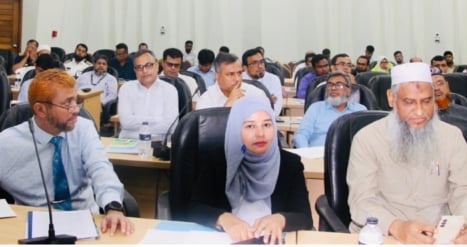
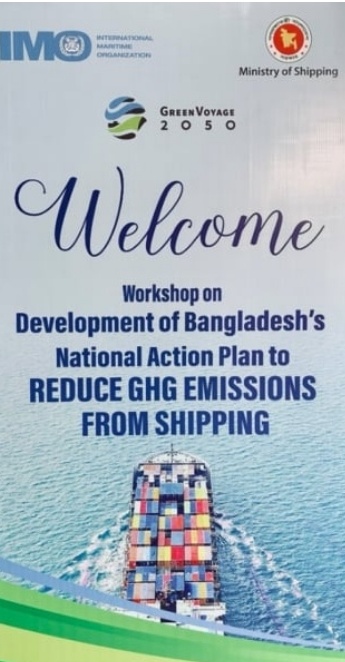
The initiative was launched at a multi-stakeholder workshop in Dhaka and is being led by the Department of Shipping under the Ministry of Shipping and supported by the IMO’s GreenVoyage2050 Programme. Over 100 policymakers, private sector leaders, shipbuilders, academics and energy specialists attended the event to identify actionable measures for greening Bangladesh’s extensive maritime network, which includes over 24,000 km of inland waterways.
The national importance of this initiative.
The Director-General of the Department of Shipping, Commodore Mohammad Maksud Alam, emphasised the national importance of this initiative. ‘Bangladesh is a proud maritime and riverine nation, home to thousands of seafarers and with a thriving shipbuilding and recycling industry and an extensive network of inland waterways.’ As we look to the future, we are seeking to understand how the global energy transition can create new economic opportunities for our people. This National Action Plan is a critical step in exploring how we can reduce shipping emissions while strengthening our maritime workforce, boosting the shipbuilding industry, modernising our ports and building a cleaner, more resilient economy.”
Related: Bangladesh drops plan to lease key Chattogram container terminal amid protests
Workshop issues
The workshop emphasised several key actions: enhancing data collection and establishing emission baselines, incentivising cleaner fuel use, retrofitting domestic fleets, and improving training for seafarers and port managers. Opportunities for greener ship design and localised innovation were also identified by the participants, leveraging facilities such as the Khulna shipyard. Long-term success was seen as being dependent on the integration of port development strategies, energy policies and sustainable shipbuilding.
Bangladesh’s ambition to integrate shipping, ports, and energy
Astrid Dispert, Programme Manager of the GreenVoyage2050 programme at the IMO, acknowledged Bangladesh's leadership in the region. 'Bangladesh’s ambition to integrate shipping, ports and energy into a unified national action plan is commendable. With its extensive inland waterways and growing shipbuilding industry, the country is well-positioned to become a leader in sustainable maritime development. Through GreenVoyage2050, we are proud to support Bangladesh in taking practical steps towards a decarbonised maritime future”.
Financing solutions
Financing solutions were the focus of further discussions, with a range of options including concessional loans and incentives for shipowners. The discussion also included capacity-building programmes to support a skilled maritime workforce. The NAP will provide a strategic framework for aligning Bangladesh’s efforts to decarbonise the maritime sector with its national development goals and international climate commitments.
The Green Voyage 2050 Programme
The 2023 IMO GHG Strategy is the framework within which the GreenVoyage2050 programme operates. The programme is a major technical cooperation initiative initiated by the IMO with the aim of assisting developing countries in reducing greenhouse gas emissions from shipping. Phase I (2020–2023) supported partner countries in developing policy frameworks and pilot projects to reduce GHG emissions from ships. Phase II (2024–2030) builds on this by providing additional support and leveraging funding from the governments of Denmark, Finland, France, Germany, the Netherlands and Norway.
Source: Press -Release
#GreenVoyage2050 #Astrid Dispert #The workshop #NAP #Mohammad Maksud Alam #Bangladesh #(GHG) emissions #ٍShipping
You Might Also Like


Recommendation News

Shipping Lines
The U.S. Senate Confirms FMC and MARAD Appointments 20 December 2025
More
Marshall Islands Creates First Marine Sanctuary 28 October 2025
Marine News Room
Our Ocean Will Be Impacted by Another Trump Administration 24 October 2025
Yachts&Cruises
Viking has secured an order for two new expedition vessels from Fincantieri. 04 March 2026
More
8 facts about Greenland sharks 13 March 2026