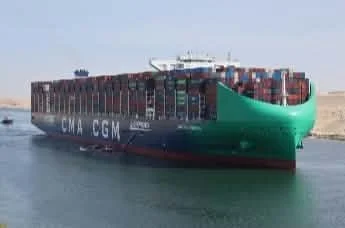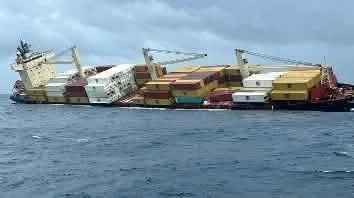
The statement of the IRG noted that the vessel, which was carrying over 2,500 containers, had attempted to navigate an "unauthorized and dangerous" route.
The GFS Pride is the second vessel to sink since the US-Iran war began on 28 February.
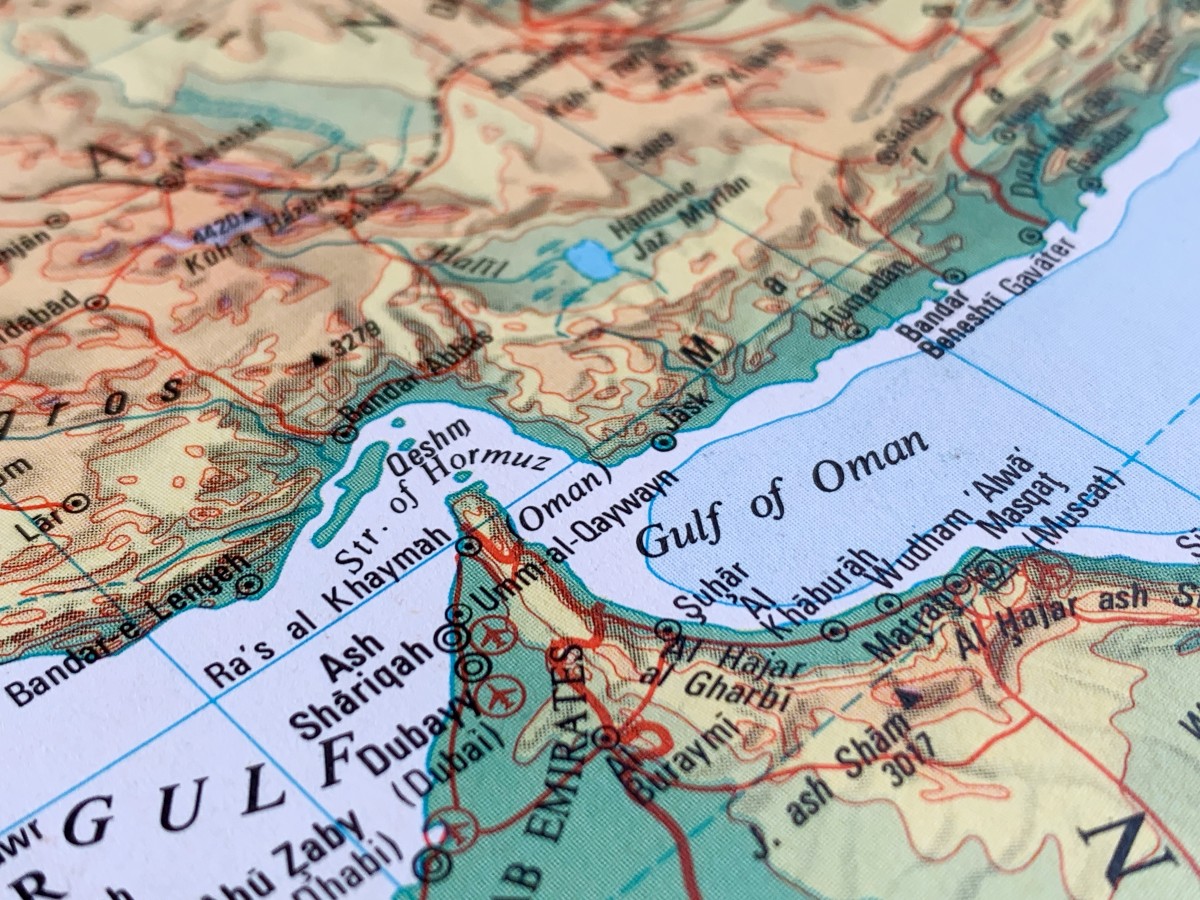
On Wednesday, sources in the maritime security sector reported that a container ship had sunk near the Strait of Hormuz after being hit by a projectile or mine south of the Strait of Hormuz, and that a separate bulk carrier was also on the verge of sinking. The sources identified the sunken vessel as the Singapore-flagged GFS Pride. (IMO 9349045, MMSI 563115400) Attempts to contact the UAE-based operator of the vessel, GFS Ship Management FZE, for comment have so far been unsuccessful.
Sources also said reports have emerged about another vessel, the Cape Dawn, sinking near the Strait after a projectile strike on 23 September. Efforts to contact the UAE-based operator of this vessel for comment have also been unsuccessful.
The two accounts locate the incident differently.
Meanwhile, Iran’s Islamic Revolutionary Guard Corps (IRGC) stated in a report carried by state media on Wednesday that a container ship had sunk in waters south of the Strait of Hormuz after hitting a naval mine, which had caused a fire on board.
The United Kingdom Maritime Trade Operations (UKMTO), a British navy-affiliated agency, reported that a 50,000-tonne container vessel hit a naval mine while passing through the Strait of Hormuz. It reported no casualties. The two accounts locate the incident differently. UKMTO placed the mine strike inside the strait, while the Guards said the ship sank south of it.
Related: Trump threatens to blow up Iran’s Kharg Island oil hub
New tactics: Iran to target vessels passing through the Hormuz
The IRGC stated that the vessel, which was carrying over 2,500 containers, had attempted to navigate an "unauthorised and dangerous" route. Caution was urged for Iranian vessels and fishermen, Reuters reported. Two senior Iranian officials had previously informed Reuters that Iran was using new tactics to target vessels passing through the Strait of Hormuz in an attempt to keep oil prices high and influence the US midterm elections.
Related: Trump rules out Iran strike before midterms as 22 million barrels move through Hormuz.
Tehran has restricted passage through the waterway.
Since the United States and Israel launched attacks against it on 28 February, Iran has sought to assert control over the Strait of Hormuz. Tehran has restricted passage through the waterway, which prior to the conflict carried around a fifth of the world’s oil and liquefied natural gas (LNG) supplies, in an attempt to gain leverage over Washington. Threats and attacks by Iran have severely curtailed maritime traffic through the Strait, driving up oil prices, even though some oil shipments continue to pass through.
The MPA: Such attacks are unprovoked
'The MPA is deeply concerned about the continued attacks on commercial shipping in the Strait of Hormuz,' said the Singaporean authority. 'Such attacks are unprovoked and unjustifiable, and constitute a breach of international law.'
The GFS Pride marks the second vessel to sink.
According to data from the International Maritime Organisation, the UN shipping agency, the loss of the GFS Pride marks the second vessel to sink since the US-Iran war began on 28 February. The sources added that, in a separate incident, the Cape Dao (IMO 9219020, MMSI 305017400), which flies the flag of Antigua and Barbuda, was reported to be sinking close to the strait after being struck by a projectile on 23 September.
In a note on Wednesday, British maritime risk management group Vanguard said that the Antigua & Barbuda-flagged bulk carrier Cape Dao, which was originally hit on 23 September, is reported to be sinking after an unsuccessful rescue attempt.
Source: Agencies
#US-Iran wa #Cape Dao #GFS Pride #UN shipping agency #IRGC #UKMTO #Sink #GFS Ship Management FZE # UAE
You Might Also Like

Recommendation News

Ports
Ryan Calkins officially assumed New Port of Seattle Commissioner 25 January 2026
Ports
Port of Oakland Opens 2026 with Modest Cargo Growth in January 03 March 2026
Shipping Lines
Billions of barrels of crude oil are “stuck” at sea 15 November 2025
Marine Tech
Freire Shipyard lays the keel of the Tauriko for Norwegian shipowner Napier 02 June 2026
Marine News Room
Iran’s top security body to decide on Hormuz closure 20 October 2025