
From specialized vessels and subsea operations to offshore wind farms and superyachts, International Energy Club is turning complex marine and energy technologies into detailed three-dimensional visual experiences
By: Mohammed Sadegh Amini
Founder and director of projects at International Energy Club
A cable may stretch for kilometres across the seabed. A remotely operated vehicle may inspect infrastructure hundreds of metres below the surface. A specialized vessel may carry sophisticated equipment designed for a single offshore operation, while an offshore wind farm combines turbines, foundations, subsea cables, substations and installation vessels into one interconnected system.
Engineers understand these operations through technical drawings, specifications, calculations and operational procedures. For clients, investors, project partners and wider audiences, however, understanding how all these elements work together can be considerably more difficult.
This is where three-dimensional visualization has become an increasingly valuable communication tool. International Energy Club (IEC), an international specialist in 3D animation and technical visualization, has spent years working at the intersection of engineering, technology, and visual storytelling. Its work covers marine, offshore, subsea, and energy applications, with a growing portfolio of projects designed to make complex industrial systems easier to understand.
According to that, IEC has produced more than 850 minutes of animation for over 150 companies across 34 countries. Its experience reflects a specialized field in which visual quality matters, but technical understanding matters just as much.
Turning Complex Engineering into Something People Can Understand
Industrial animation is often associated with promotional films and impressive visual effects. In technically demanding sectors, however, its role can be considerably broader.
A well-developed animation can show how equipment operates, how individual components interact, how an installation sequence unfolds, and what happens beneath the waterline. It can also present a proposed project before construction begins, allowing stakeholders to understand a concept that may otherwise exist only in drawings and engineering documentation.
For offshore contractors, equipment manufacturers and energy developers, this capability can support technical presentations, tender submissions, sales activities, training programmes and project communication.
The challenge is to make the result visually compelling without sacrificing technical accuracy. International Energy Club approaches this challenge through detailed 3D modelling, animation, lighting and rendering, supported by an extensive collection of specialized marine and offshore assets. The company works with technical references and available product data to recreate equipment and operational environments in a controlled digital setting. The result is more than a moving image. It is a visual representation of how a system is designed to look and operate.
A Digital Fleet Built Around Specialized Vessels
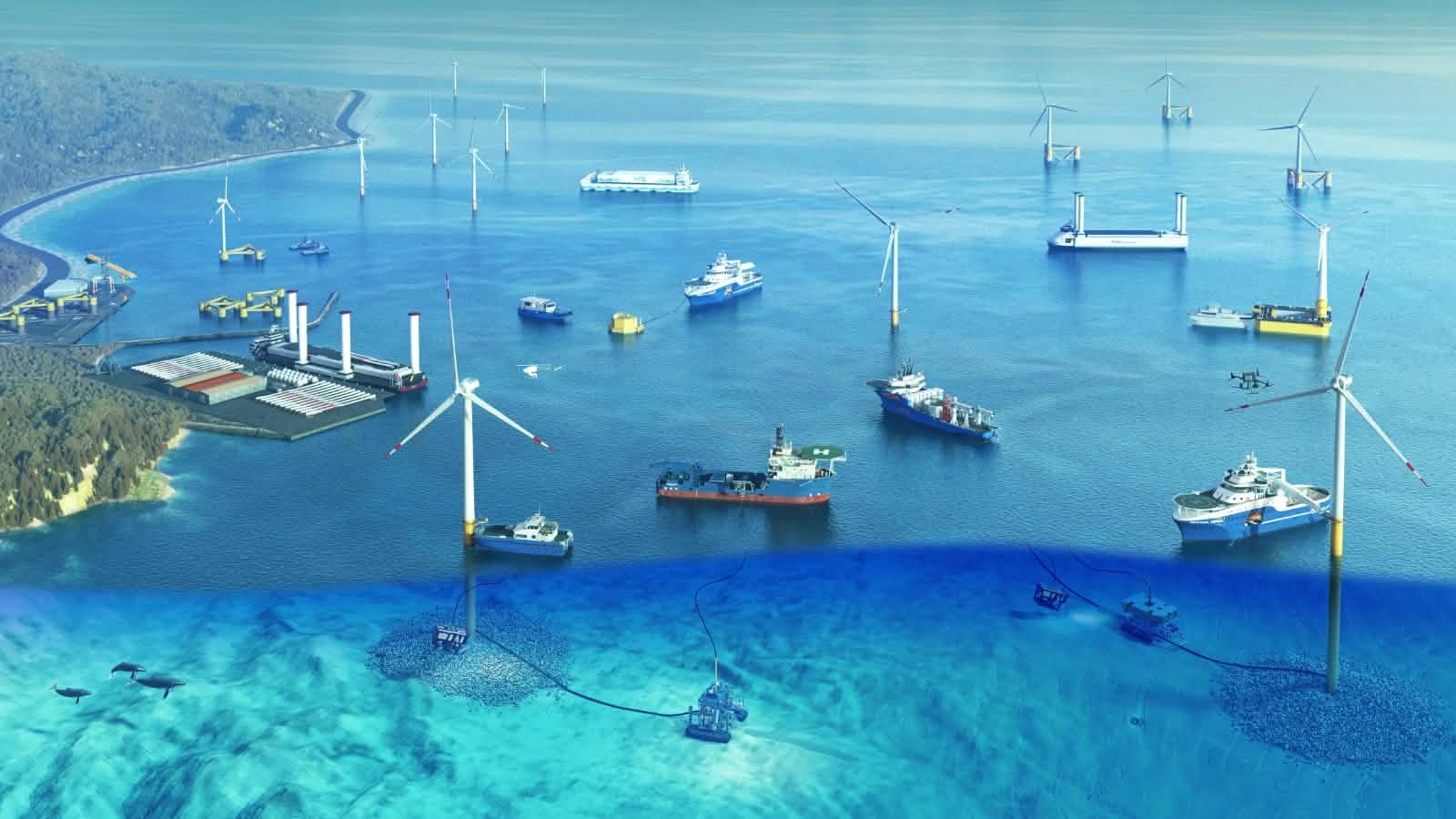
Marine technology is one of the most distinctive areas of IEC's portfolio. The company has developed 3D models covering more than 120 vessel types, representing a broad range of ships used in maritime, offshore and subsea industries. These include offshore support vessels, cable-laying vessels, pipelay ships, construction vessels, heavy-lift vessels, dive support vessels, survey vessels and other specialized platforms.
Related: Mohamed Farouk writes: TIC 5.0- How is smart technology redefining trust in global trade?
Such a collection has value beyond the number of models it contains. A vessel used for subsea construction, for example, can be represented not only through its exterior appearance but also through the equipment and operational sequences that define its role. A cable-laying vessel can be shown deploying a cable. A heavy-lift vessel can be presented during a lifting operation. A dive support vessel can become part of a visual explanation of an offshore intervention.
When these models are integrated into technically informed animations, the vessel becomes part of a larger operational story. IEC's accumulated experience in this area gives it a foundation for projects that require more than a generic ship model or a visually attractive maritime scene
Revealing the World Beneath the Waterline
The subsea environment presents a particular challenge for industrial communication. Unlike many land-based operations, subsea activities cannot easily be observed by clients or stakeholders. Photography may provide valuable evidence, but it cannot always reveal the full sequence of an operation or show the interaction between equipment, infrastructure and the vessel above.
Three-dimensional animation offers another perspective. IEC's work includes visualizations of remotely operated vehicles (ROVs), subsea trenching, pipeline and cable installation, seabed operations and underwater infrastructure. These subjects can be represented through carefully constructed environments that show equipment movements, installation procedures, and the relationship between subsea machinery and surface operations.
For a project involving a subsea cable, for instance, a visualization can explain its route, the equipment used to install it, how it interacts with the seabed, and how the operation is supported by a vessel.
For an equipment manufacturer, the same approach can demonstrate the function of a specialized product to customers who may never see it operating in its intended environment. The objective is not to replace engineering documentation or operational procedures. It is to complement them with a format that makes complex processes easier to interpret.
Offshore Wind: Visualizing an Entire Energy System
Offshore wind provides another compelling example of why technical visualization is becoming increasingly relevant. A wind turbine may be the most recognizable element of an offshore wind project, but it is only one component of a much larger system. Foundations, floating platforms, mooring arrangements, inter-array cables, export cables, offshore substations, installation vessels, and inspection equipment can all play important roles.
Explaining these relationships through isolated images can be difficult. An integrated 3D environment can bring the components together, showing how a wind farm is assembled, how electricity reaches shore, and how vessels and specialized equipment support installation and maintenance.
IEC has developed visualization projects covering offshore wind technologies and related operations. Its work in this field can support project developers, engineering contractors, manufacturers and service providers seeking to communicate technical concepts to customers, partners and other stakeholders. As offshore wind projects become more technically diverse, the ability to explain the complete system—not simply the turbine—can become an important part of project communication.
From Offshore Engineering to Luxury Yachts
Although IEC's strongest specialization lies in marine, offshore, subsea, and energy applications, its modelling capabilities also connect naturally with the yacht and superyacht sector. Both industries depend on complex marine engineering, carefully coordinated systems and highly detailed vessel design. Their communication priorities, however, can differ significantly.
In offshore projects, the emphasis may be on operational sequences, equipment functionality, safety and engineering relationships. In the superyacht sector, visualization may need to combine naval architecture, exterior styling, interiors, onboard technology and the overall experience of the vessel.
Three-dimensional visualization can help communicate a yacht's design before it is built, present its features to prospective buyers, and provide views of spaces or systems that conventional photography cannot yet capture. For a technically complex yacht, a digital model can also serve as the basis for multiple visual outputs, ranging from exterior animation to detailed renders and immersive presentations.
This connection between technical engineering and visual presentation illustrates the breadth of applications available to a specialist studio with a substantial marine modelling background.
More Than Animation: Interactive and Immersive Experiences
The development of digital visualization has expanded the possibilities beyond conventional video. A three-dimensional model can become a series of still renders, a technical animation, an interactive presentation, or a 360-degree environment. Depending on the project, such assets can be used on websites, exhibition displays, in presentations, or through virtual reality equipment.
International Energy Club offers services that include 3D technical animation, high-quality rendering, interactive 3D visualization, 360-degree content and AR/VR-related applications. For exhibitors at international maritime and energy events, these formats can offer new ways to introduce products and technologies. Rather than relying exclusively on brochures or static displays, a company can show equipment in operation or allow audiences to explore a digital representation of a system.
For training and technical communication, the same assets can help illustrate procedures that are difficult to demonstrate in person because of their location, complexity, or operating conditions. The most suitable format depends on the intended audience and the purpose of the project. The underlying principle remains the same: presenting information in a way that makes its technical meaning easier to grasp.
An International Track Record in a Specialized Market
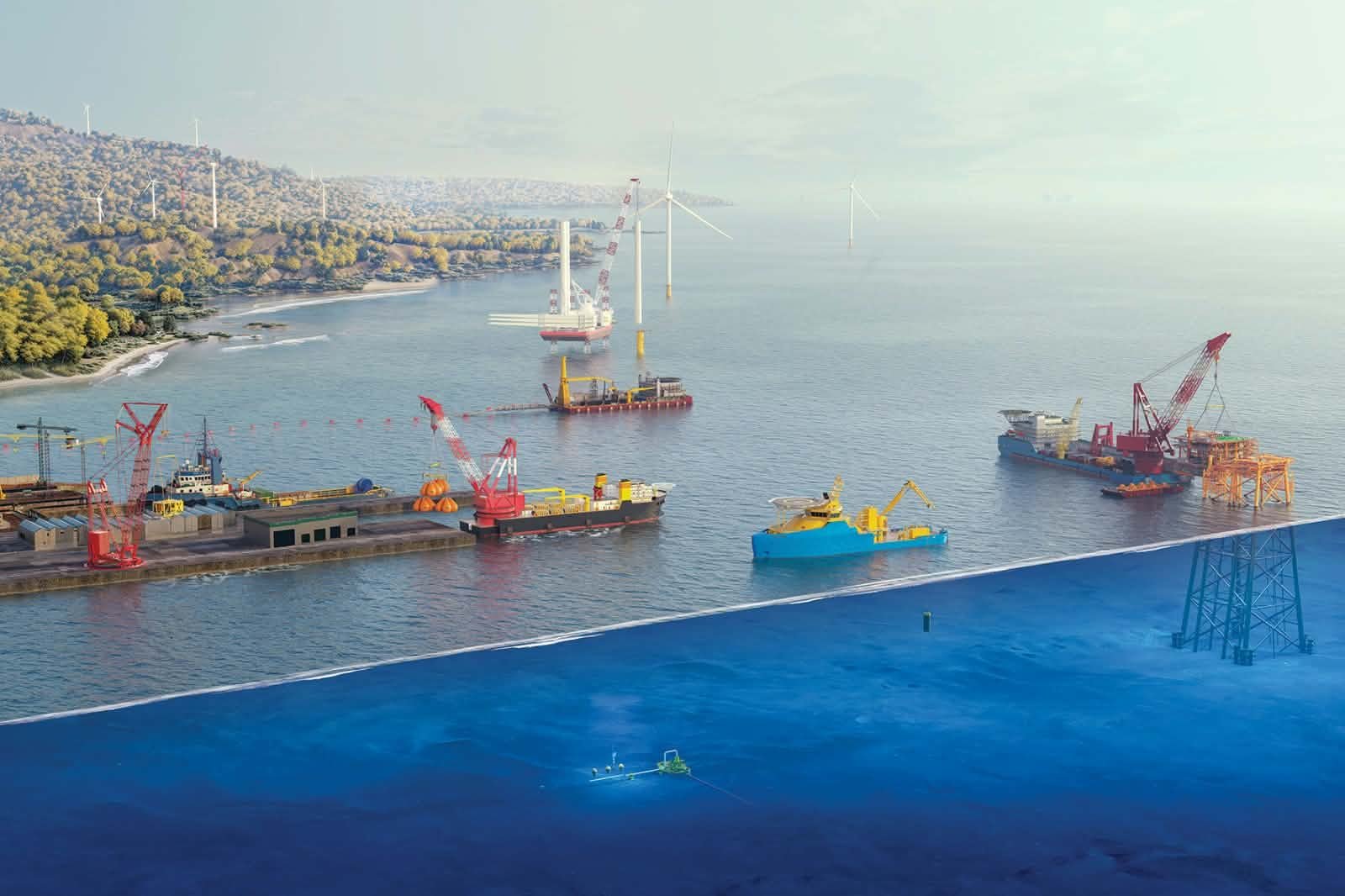
International Energy Club's development has been shaped by its work with companies operating across different parts of the marine and energy value chain. The company reports collaborations with more than 150 companies in 34 countries and a portfolio exceeding 850 minutes of completed animation. Its projects span specialized vessels, offshore infrastructure, subsea equipment, renewable energy and other technically demanding applications.
It has also maintained a presence at international maritime and energy exhibitions, including events where vessel operators, engineering contractors, equipment manufacturers and energy developers meet to discuss new projects and technologies. For a specialist visualization provider, this exposure can be important. Understanding the technical vocabulary of the industry, recognizing the differences between vessel categories and interpreting the function of specialized equipment all contribute to the quality of the final result.
A technically convincing animation requires more than software proficiency. It requires an understanding of what is being represented and why it matters. That combination of modelling capability, technical context and visual communication is central to IEC's position in the market.
Giving Engineering a Visual Voice
The maritime industry is continually introducing new vessel designs, subsea technologies, offshore energy systems and increasingly sophisticated equipment. Yet the ability to communicate these developments clearly remains a practical challenge for many organizations. Technical drawings remain indispensable. Photography documents real equipment and operations. Written specifications provide essential detail. Each serves a different purpose.
Three-dimensional visualization adds another dimension by connecting these forms of information in a way that can be observed, explained, and presented to different audiences. International Energy Club operates in this space between engineering and communication. It does not manufacture the vessels, install the cables, or build the offshore platforms it visualizes. Instead, it creates digital representations that help explain the technologies, equipment, and operations behind them.
For companies introducing a new product, presenting an offshore project, explaining a subsea procedure, or showcasing a vessel, that capability can make a complex technical story more accessible. As maritime and energy technologies continue to evolve, the demand for clear, technically informed visual communication is likely to remain an important part of how innovation is presented to the world.YouTube: https://www.youtube.com/@OffshoreAnimations
#International Energy Club IEC #the maritime#offshore industries #new visual language#3D technical animation #Marine technology#digital visualization #Industrial animation #Offshore wind
You Might Also Like
Recommendation News

Ports
China suspends "special port fees" for US ships 10 November 2025
Yachts&Cruises
134m Lürssen superyacht Deep Blue will delivery before November 07 October 2025
Shipping Lines
After Hormuz, Could Malacca, Gibraltar & Red Sea Be Next? 24 April 2026
Ports
Port of Barcelona posts €206m turnover in 2025 05 February 2026
Incidents
MIDVOLGA-2: A third Russian tanker attacked in the Black Sea 02 December 2025