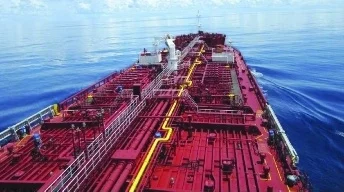
Strong growth momentum for Maritime Singapore
The detailed breakdown lists 4,818,000 tonnes of bunker deliveries, including 4,694,000 tonnes of conventional fuels, 63,000 tonnes of biofuels and 61,000 tonnes of LNG.
Singapore reported higher port activity in October 2025, with vessel arrivals, container throughput and cargo volumes all increasing compared with a year earlier, according to figures released by the Maritime and Port Authority of Singapore (MPA). Vessel arrivals reached 280.94 million gross tonnes, up 6.6% year on year, while the number of ship calls rose 7.7% to 11,552. Container throughput expanded 9.2% to 3.83 million TEUs.
Cargo volumes grew 5.4% to 53.07 million tonnes.
Cargo volumes grew 5.4% to 53.07 million tonnes. Bunker sales showed a slight decline from last year. Total marine fuel volumes amounted to 4.82 million tonnes, down 1.2% year on year. The detailed breakdown lists 4,818,000 tonnes of bunker deliveries, including 4,694,000 tonnes of conventional fuels, 63,000 tonnes of biofuels and 61,000 tonnes of LNG.
Singapore’s Annual Report
While Singapore’ announced its annual report about vessel arrival tonnage, which includes the total tonnage of ships under the Singapore flag, container throughput, total bunker sales, and sales of alternative bunker fuels, reached new highs in 2024. Cargo throughput handled at the port of Singapore also increased in 2024. These were among some of the announcements by Mr Murali Pillai, Minister of State for Law and Transport, at the annual Singapore Maritime Foundation (SMF) New Year Conversations event today. Mr Murali said that despite strained global supply chains, Maritime Singapore has maintained strong growth momentum in 2024 and looks forward to continued steady growth in 2025.
While Cargo throughput handled at the port of Singapore also rose to 622.67 million tonnes, an increase of 5.2% from 592.01 million tonnes in 2023.
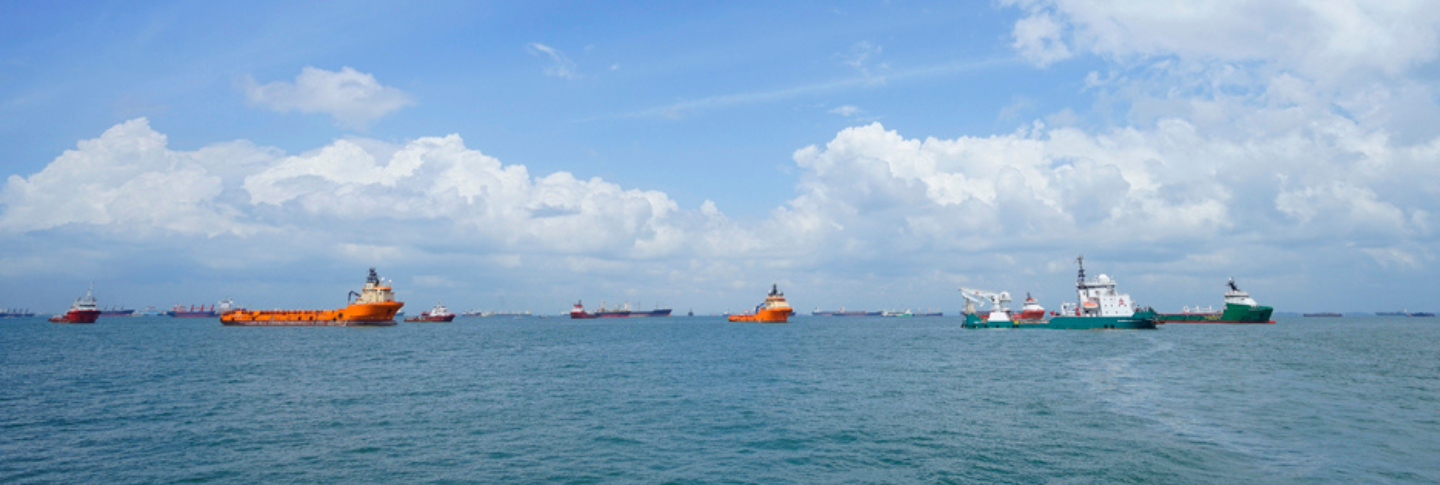
PSA terminals and Jurong Port
While it exceeded container throughput from both , PSA terminal and Jurong Port,/crossed the 40 million TEU mark for the first time, growing by 5.4% and reaching a new record of 41.12 million TEUs compared to 39.0 million TEUs in 2023. Around 90% of Singapore’s container throughput is for transhipment to other destinations. Singapore remains the largest container transhipment hub in the world.
The majority of container vessels
The majority of container vessels complete their simultaneous cargo handling and bunkering within a day of arrival. Various efforts were undertaken collectively by the Maritime and Port Authority of Singapore (MPA), PSA Singapore, and unions, to address the port congestion arising from the Red Sea situation in mid-2024. These included commissioning new berths at Tuas Port, reactivating berths and yard spaces at Keppel Terminal, increasing manpower capacity, working with shipping and feeder lines to optimise operations schedule, and permitting night-tow operations for container barges to and from Pasir Panjang Terminal for the first time.
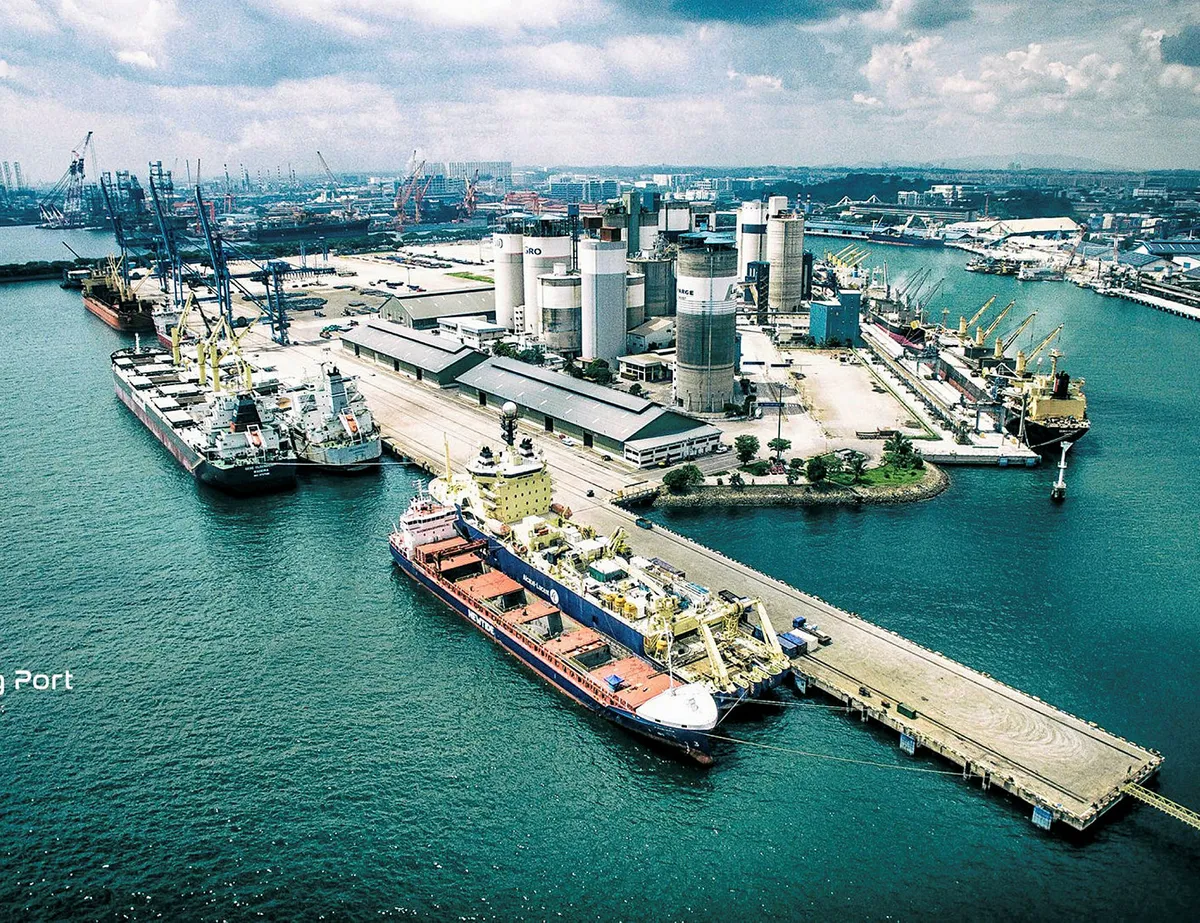
The Maritime and Port Authority of Singapore
The detailed breakdown lists 4,818,000 tonnes of bunker deliveries, including 4,694,000 tonnes of conventional fuels, 63,000 tonnes of biofuels and 61,000 tonnes of LNG
The Maritime and Port Authority of Singapore is a statutory body under the Ministry of Transport of Singapore. It regulates and oversees the development, safety, security and environmental standards of the Port of Singapore. The authority is also responsible for maritime services policy and the promotion of Singapore as an international maritime centre.
Source : Press - Release
#Singapore port traffic , #October , #(MPA), #Pasir Panjang Terminal , #PSA terminals , #Jurong Port , #Maritime Singapore #Mr Murali Pillai #Tuas Port
You Might Also Like
Recommendation News
Yachts&Cruises
The cruise ship order book rises to 77 units 09 February 2026
Shipping Lines
Newly Built LNG Vessel for Diamond Global Energy Named DIAMOND GAS JADE 29 May 2026
Incidents
The Yemeni Coast Guard has detained the Nereida, a sanctioned tanker. 07 September 2026
Marine Tech
Vestas lands 390 MW offshore wind contract in South Korea 30 December 2025
Shipping Lines
CMA CGM has completed the first bioethanol bunkering in Brazil. 14 July 2026