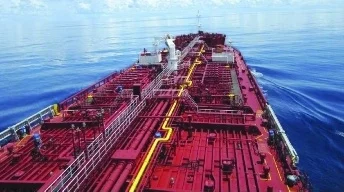
This event highlights three mission-critical dimensions that affect Filipino seafarers today and will redefine their future:

By : Mark Ian Dacera, MSc, MBA
Maritime Strategist & Senior Educator | MBA (Ateneo Regis) | Deck Officer l Master Mariner License | Scaling Global Maritime Excellence through Data-
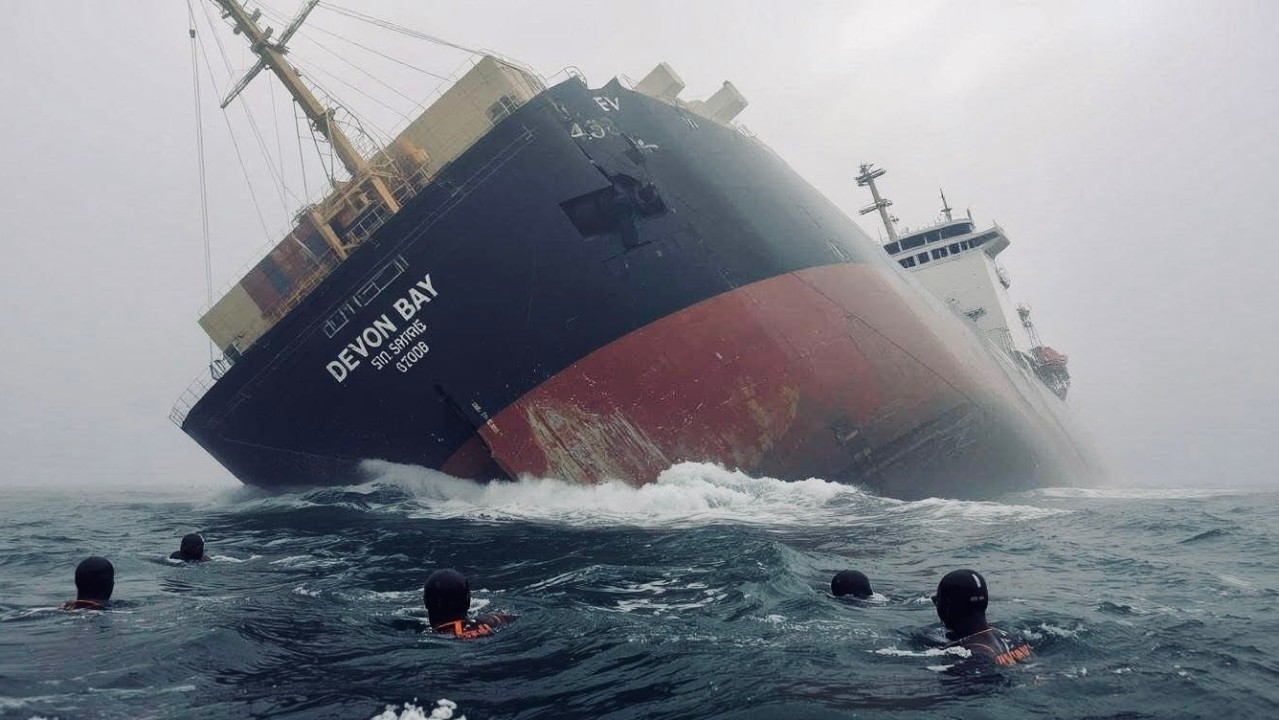
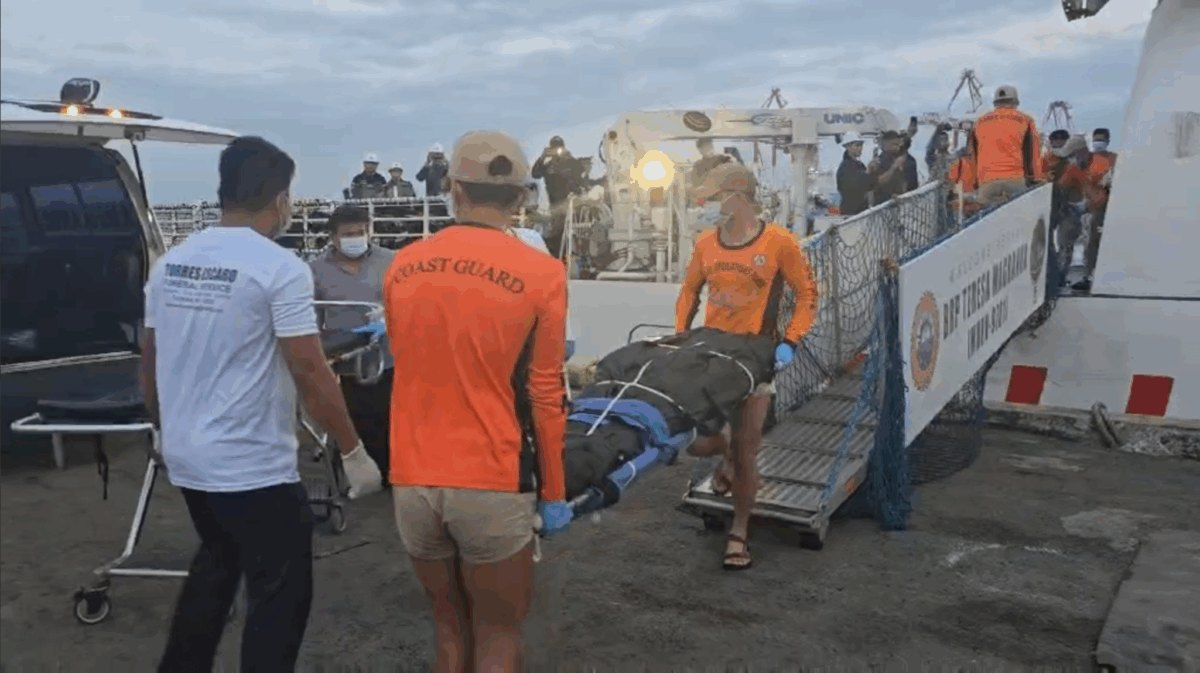
The maritime world is currently reeling from the tragic news of the MV Devon Bay, a Singapore-flagged bulk carrier that capsized and sank in the South China Sea on January 23, 2026. With 21 Filipino seafarers on board—two confirmed dead and four still missing—this incident is more than a headline; it is a profound wake-up call for the global shipping industry and a moment of reflection for the Philippines, the "Seafaring Capital of the World."
The Anatomy of a Crisis
The MV Devon Bay was en route from Zamboanga del Sur to China, reportedly carrying iron ore (though later findings suggest nickel ore, a cargo notorious for liquefaction risks). At 8:30 PM on January 22, the vessel reported a 25-degree list. Within hours, it had disappeared beneath the waves near Scarborough Shoal.
Effects of Filipino seafarers today
This event highlights three mission-critical dimensions that affect Filipino seafarers today and will redefine their future:

1. The Immediate Reality: Safety and Geopolitical Complexity
The rescue operation itself underscored the complex environment our seafarers navigate. Filipino crew members were rescued through the coordinated efforts of both the Philippine Coast Guard (PCG) and the China Coast Guard (CCG).
* Today’s Impact: In a region fraught with geopolitical tension, the safety of our seafarers remains the only universal priority. The MV Devon Bay serves as a somber reminder that technical failure and environmental hazards do not respect maritime borders.The Human Toll: Beyond the statistics, there are families in the Philippines waiting for news. This incident forces a re-evaluation of emergency response protocols in contested waters.
2. The Cargo Challenge: The "Liquefaction" Threat
While official investigations are ongoing, the suspected cargo of nickel ore points to a persistent killer at sea: Solid Bulk Cargo Liquefaction. When moisture content in ore exceeds limits, it can shift suddenly, causing a vessel to capsize in seconds. The Future Shift: We must demand more rigorous shore-side testing and "Right to Refuse" empowerment for Chief Officers and Masters. The future of seafaring safety lies in digitized cargo monitoring—IoT sensors that provide real-time moisture data to the bridge and the shore-based management
3. The Legislative Turning Point: The Magna Carta for Seafarers
The sinking of the MV Devon Bay occurs just as the Philippines implements the Magna Carta for Seafarers. This law is designed to protect Filipino mariners from the moment of recruitment to the resolution of claims.
* Strategic Foresight: This tragedy will likely be the first major test of the new legal frameworks regarding immediate compensation, search and rescue accountability, and shipowner liability.
* Future Resilience: The industry must move from "reactive" safety to "proactive" welfare. As global trade becomes more volatile, the Filipino seafarer's value will be defined not just by their skill, but by the strength of the national and international protections backing them.
Moving Forward.
The loss of life on the MV Devon Bay is a debt the maritime industry can only repay through systemic change. We must prioritize:
* Technological Integration: Utilizing AI and big data for better weather routing and stability monitoring.
* Enhanced Training: Upskilling Filipino crew on the specific hazards of modern bulk carriers and new alternative fuels.
* Unified Diplomacy: Ensuring that search and rescue (SAR) remains a humanitarian mission, independent of territorial disputes.
To our brothers who were lost and those still missing: we owe it to you to make the "Blue Economy" a safer place
Related : China coast guard rescues 13 Filipino seafarers after cargo ship capsizes near Scarborough Shoal
Source : LinkedIn
#MV Devon Bay #Tragedy at Sea #Filipino Seafaring #Mark Ian Dacera #(CCG) #(PCG)
You Might Also Like

Recommendation News

Incidents
At least 500 injured in large explosion at Iran port 17 October 2025
Ports
Qingdao Port launches China’s first vacuum-based automated mooring system 07 January 2026
Incidents
RiSK4SEA: The July edition of the Top PSC Performers List is now available. 18 July 2026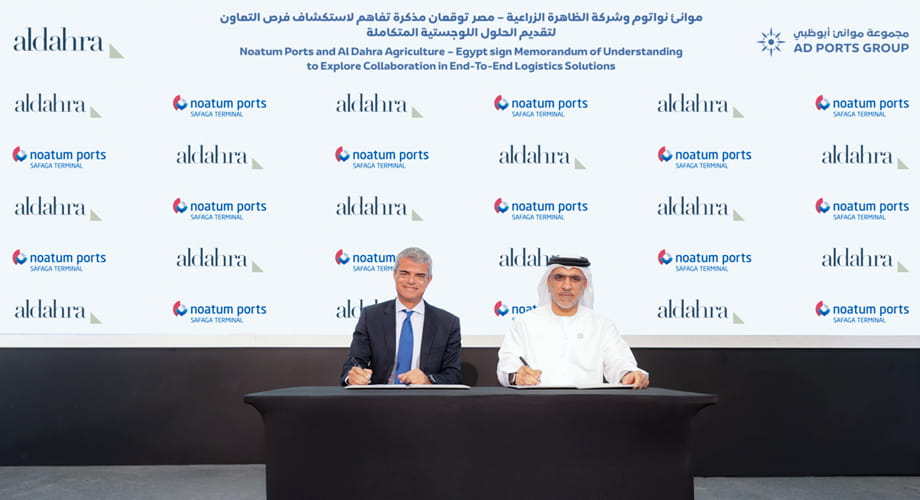
Shipping Lines
Noatum Ports Signs MoU with Al Dahra Agriculture to Advance Egypt’s Logistics Capabilities 20 December 2025
Shipping Lines
Mitsui O.S.K. Lines and Isometric enter strategic partnership 19 December 2025