They has a %100 Job placement rate for their graduates
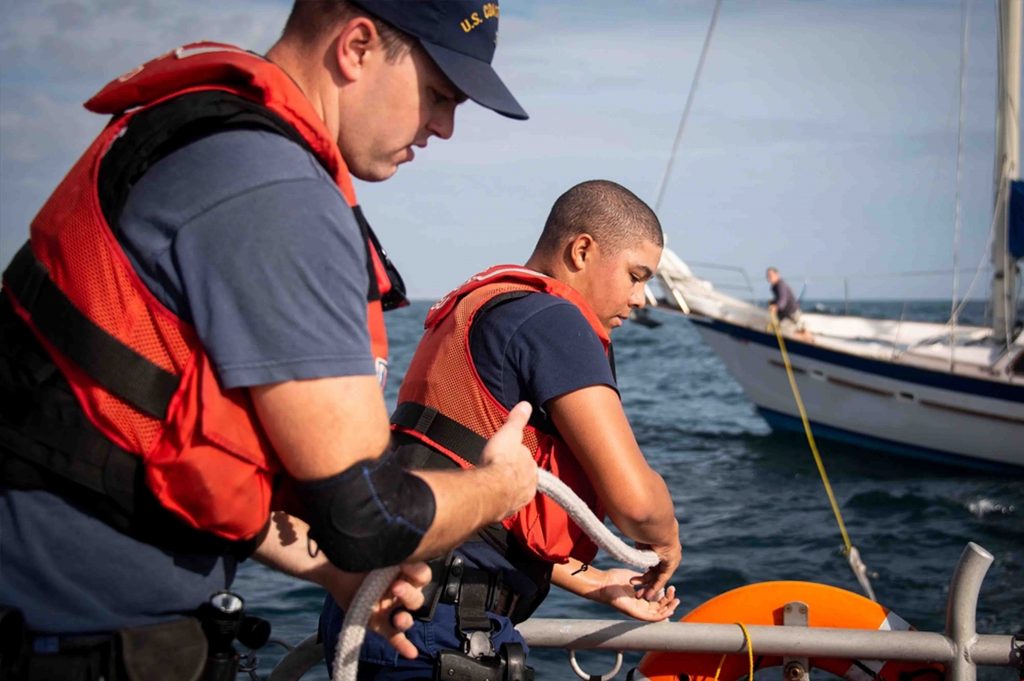
The Nautical Science program provides a fast-track to a career in the maritime industry. Dually approved by the U.S. Coast Guard and Commonwealth of Dominica Maritime Administration for professional licensing, the program provides the necessary nautical science knowledge with extensive opportunities for hands-on practical experiences using our training vessels, equipment and full bridge simulators.
The program
The program is delivered as an on-campus small group, cohort style of education, with some courses being delivered through distance education delivery methods. Class and lab sizes are capped at sixteen students and practical boat sessions maintain maximum instructor to student ratios of 1:16. Each cohort develops as a unit; learning, studying and working together, preparing for a future working and living on-board ships. Students will be transformed into a cohesive group, learning from one another, while developing the individual skills necessary to enter the maritime industry. Two summer semester externships provide real world experience and opportunities to build professional relationships in the industry, while accumulating sea time towards a maritime license.

The Graduates
Graduates leave the program with 78 credits of general education and nautical science courses as well as completion of the required professional licensing examinations on campus. Additionally, graduates leave with an extensive list of license endorsements and recognized training to easily navigate upward in the industry.
Preparing students
Preparing students for careers as licensed deck officers on vessels in the maritime industry, meeting both U.S. domestic license requirements as well as international requirements. The program also includes a strong focus on personal responsibility, honesty and integrity to support the development of a well-rounded graduate who is prepared to support the safe operation of their vessel. Students obtain the necessary theoretical knowledge, practical skills and competencies through a comprehensive applied two-year program which includes two summer externship experiences to further develop occupational skills and to gain shipboard experience.

The overall student learning outcomes for the Nautical Science program:
To realize a high level theoretical knowledge, experience, professional competencies and proficient skill sets required and set forth by the U.S. Coast Guard National Maritime Center licensing and assessment guidelines essential for the Master 100 Gross Tons/Mate 200 Gross Tons, Near Coastal License and Officer in Charge of a Navigational Watch less than 500 Gross Tons STCW endorsement level (required academic, professional and occupational skills) as well as those associated competencies set forth by the International Maritime Organization’s Standards of Training and Certification for Watchkeepers, 1995, as amended. These include: seamanship, navigation, watchkeeping, maritime safety, maritime security, pollution prevention & environmental protection, leadership, critical thinking and ethical decision making
.Course Descriptions
Maritime Courses
EN 111 Sea Journal I
EN 212 Sea Journal II
ME 201 Small Vessel Systems and Maintenance
ME 202 Introduction to Naval Architecture, Trim, Stability
NS 101 Basic Marine Safety
NS 102 STCW Navigational Watch I
NS 103 Nautical Science
NS 106 Proficiency in Survival Craft
NS 110 Navigation Rules
NS 131 Introduction to Shiphandling
NS 201 Terrestrial Navigation
NS 202 Electronic Navigation
NS 203 Bridge Resource Management
NS 204: STCW Navigational Watch II
NS 208 RADAR and ARPA
NS 220 Tankerman Ship PIC
NS 232 Advanced Shiphandling and Assistance Towing
NS 255 Marine Meteorology
NS 260 Master 200 Gross Tonnage License Preparation
ST 101 Introduction to Sail
ST 202 Ocean Voyaging and Vessel Management

General Education Courses
EN 101 Critical Writing
This course will introduce the student to writing about subjects from his/her own experience and/or critical interpretation of selected readings. The student will learn how to work cooperatively within a small group to design, draft, deliver, conduct research and share their research and written papers with the class.
Prerequisite: None
Credits: 3
EN 102 Maritime Literature
EN 105 Introduction to Public Speaking
MT 107 Technical Mathematics
OS 101 Introduction to Ocean Science
PH 101 Technical Physics and Lab
GV 111 U.S. Government
HS 215: American Maritime History & Culture, 1602-1860
LD 201 Leadership & Ethics
Other Courses
PS 101 Skills for Success
A historic partnership agreement in 2023 with USCG
It is noteworthy that the United States Coast Guard USCG and the Northeast Maritime Institute – College of Maritime Science entered a historic partnership agreement in 2023. This agreement provides NMI graduates the opportunity to enter a Lateral Enlistment Program into the Coast Guard as junior petty officers upon graduation from NMI’s Nautical Science program and completion of the USCG boot camp. NMI graduates will have the option to enlist as third-class or second-class Boatswains Mates, enlisting either full time into the Coast Guard or into the Coast Guard Reserve while serving in the United States Merchant Marine
Students graduating from high school and enrolling into NMI’s Nautical Science program may also have the option to enroll as Reservists and attend U.S. Coast Guard boot camp during the summer months between high school graduation and their fall semester. Students who choose this option will receive a bonus and pay to offset their college tuition expenses. They has a %100 Job placement rate for their graduates
#Northeast Maritime Institute #College of Maritime Science # United States Coast Guard # NMI’s Nautical Science program
You Might Also Like

Recommendation News

Shipping Lines
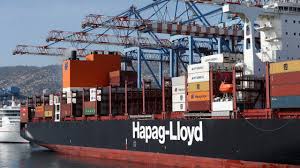
Hapag-Lloyd and Maersk shift Gemini IMX service back through Red Sea and Suez canal 03 February 2026
Marine Tech
MSC and GNV signs order for 4 new Ro-Pax ferries in China 14 October 2025
Marine Tech
IACS 2025 Annual Review : The role of class in driving progress on maritime safety and innovation 31 March 2026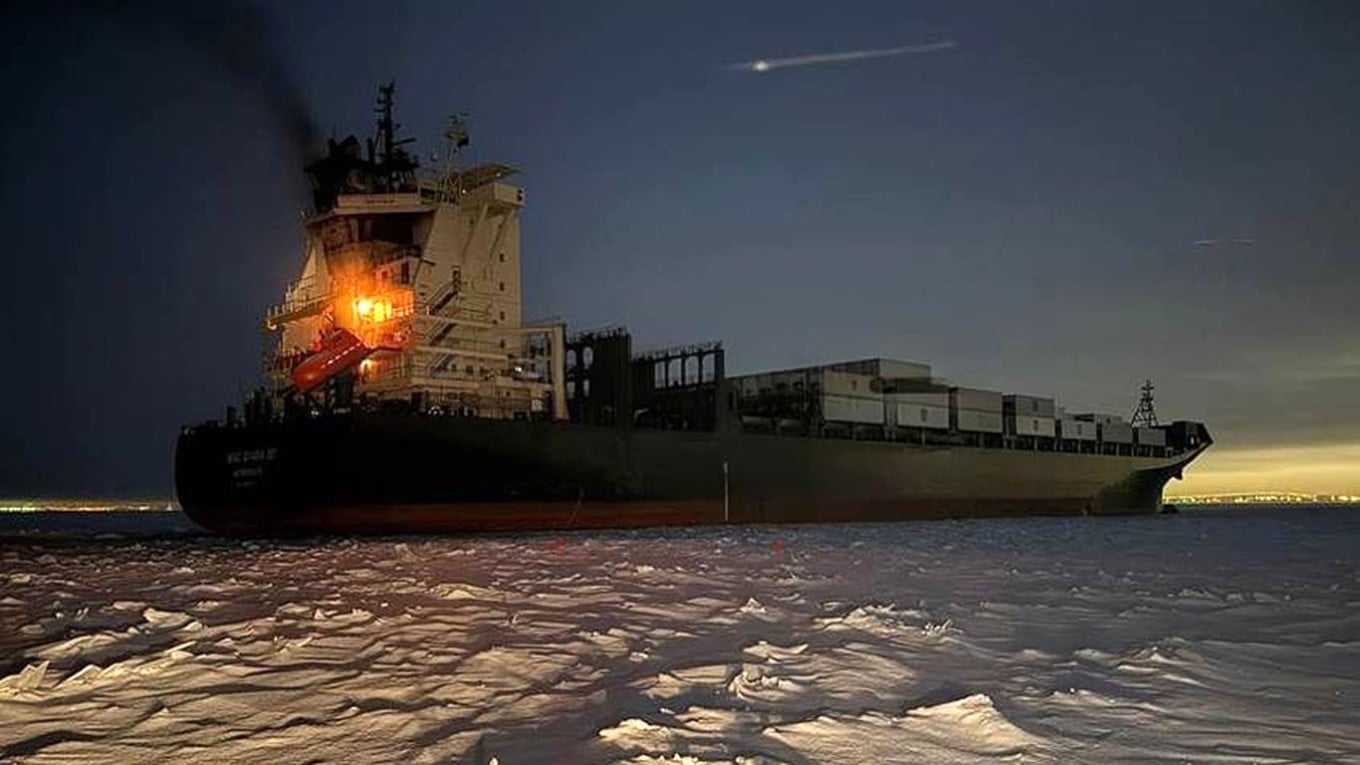
Incidents
Breaking: Engine-room explosion and fire onboard MSC feeder boxship “MSC Giada III” near St Petersburg 06 February 2026