Victoria International Container Terminal extends terminal operating contract at Port of Melbourne to 2066
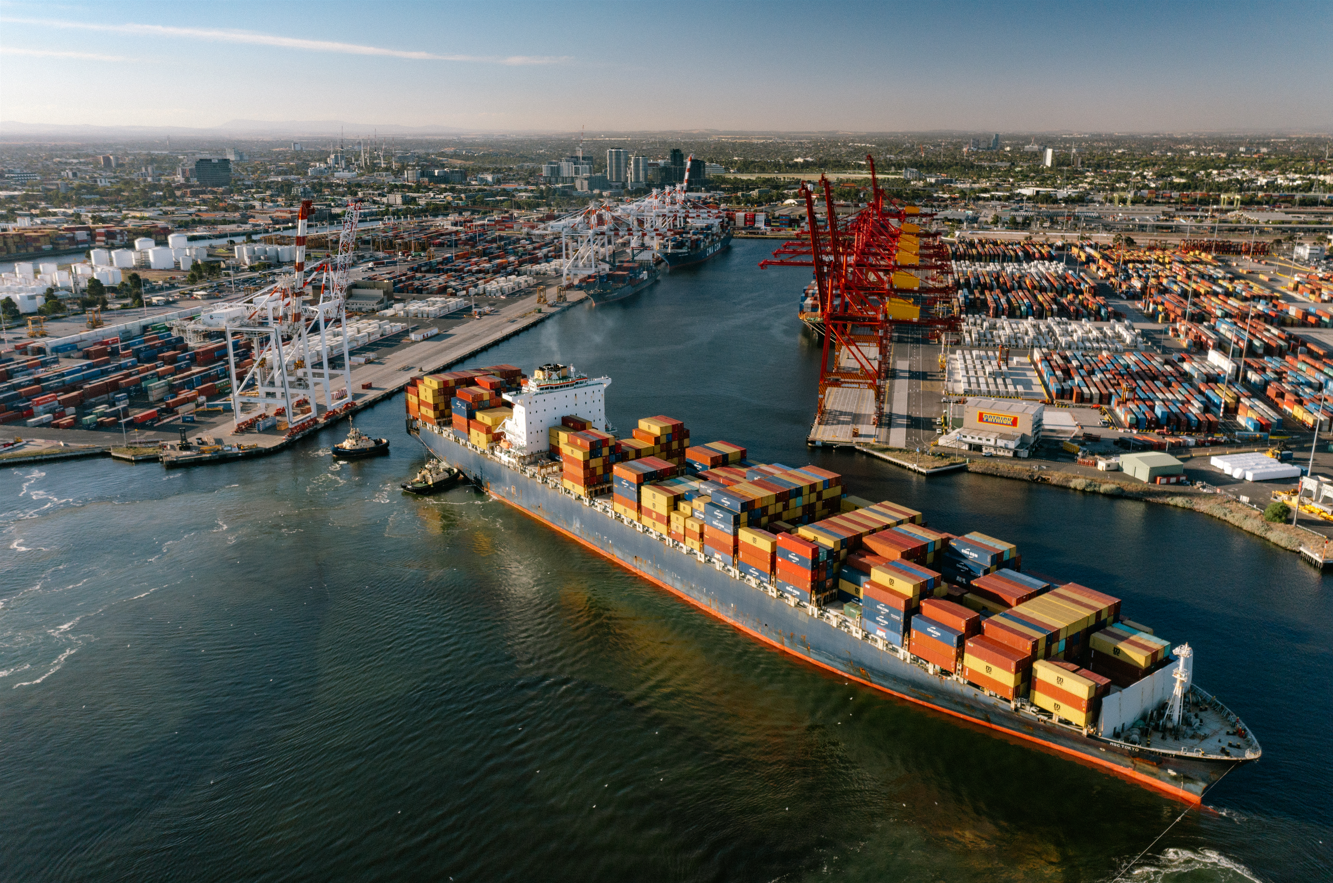
Operating rates at the Port of Melbourne revealed that Container trade fell 9.8% year on year in January 2026 to 260,000 TEU, according to its Trade Update for January 2026 published on 16 February. “Total container trade for the month of Jan-26 reached 260k TEU, down year-on-year -9.8%, or -28k TEU, against Jan-25,” the update said.
Full Import and Transshipment
Meanwhile full imports excluding Bass Strait traffic declined 8.8% year on year to 105,000 TEU, while full exports excluding Bass Strait fell 12.0% to 41,000 TEU. Also Full transhipment excluding Bass Strait dropped 54.3% to 11,000 TEU. While full Bass Strait volumes rose 3.2% to 19,000 teu, while empty containers edged down 0.6% to 85,000 TEU.
Container trade and Exports
Despite the January contraction, financial-year-to-date container trade reached 2.06m TEU, up 2.1% year on year.Full imports excluding Bass Strait increased 2.0% to 831,000 TEU, while full exports excluding Bass Strait slipped 2.9% to 394,000 TEU. Full transhipment excluding Bass Strait stood at 105,000 TEU, down 4.4%.
Total non-container trade
Meanwhile, total non-container trade in January amounted to 1.90 million tons of revenue, a decrease of 5.3% year-on-year, or 106,000 tons of revenue compared to January 2025.Non-container trade in January totalled 1.90m revenue tonnes, down 5.3% year on year, or 106,000 revenue tonnes against January 2025.Motor vehicles accounted for 601,000 revenue tonnes, down 27.3%.
Shipping revenues from liquid bulk cargo
In contrast, shipping revenues from liquid bulk cargo increased by 11.7% to reach 490,000 tons, while shipping revenues from general cargo decreased by 26.5% to reach 86,000 tons but dry bulk declined 2.4% to 348,000 revenue tonnes, while other cargo rose 39.8% to 378,000 revenue tonnes. For the financial year to date, non-container trade reached 14.27m revenue tonnes, up 0.8%, with motor vehicles at 4.81m revenue tonnes, down 4.4%, and liquid bulk at 3.23m revenue tonnes, up 2.4%.
Manage the Webb Dock East terminal
On the other hand International Container Terminal Services Inc. (ICTSI)’s wholly owned subsidiary Victoria
International Container Terminal Ltd. (VICT) has signed a 26-year extension of its contract to operate and manage the Webb Dock East terminal at the Port of Melbourne .
The freight capital of Australia.
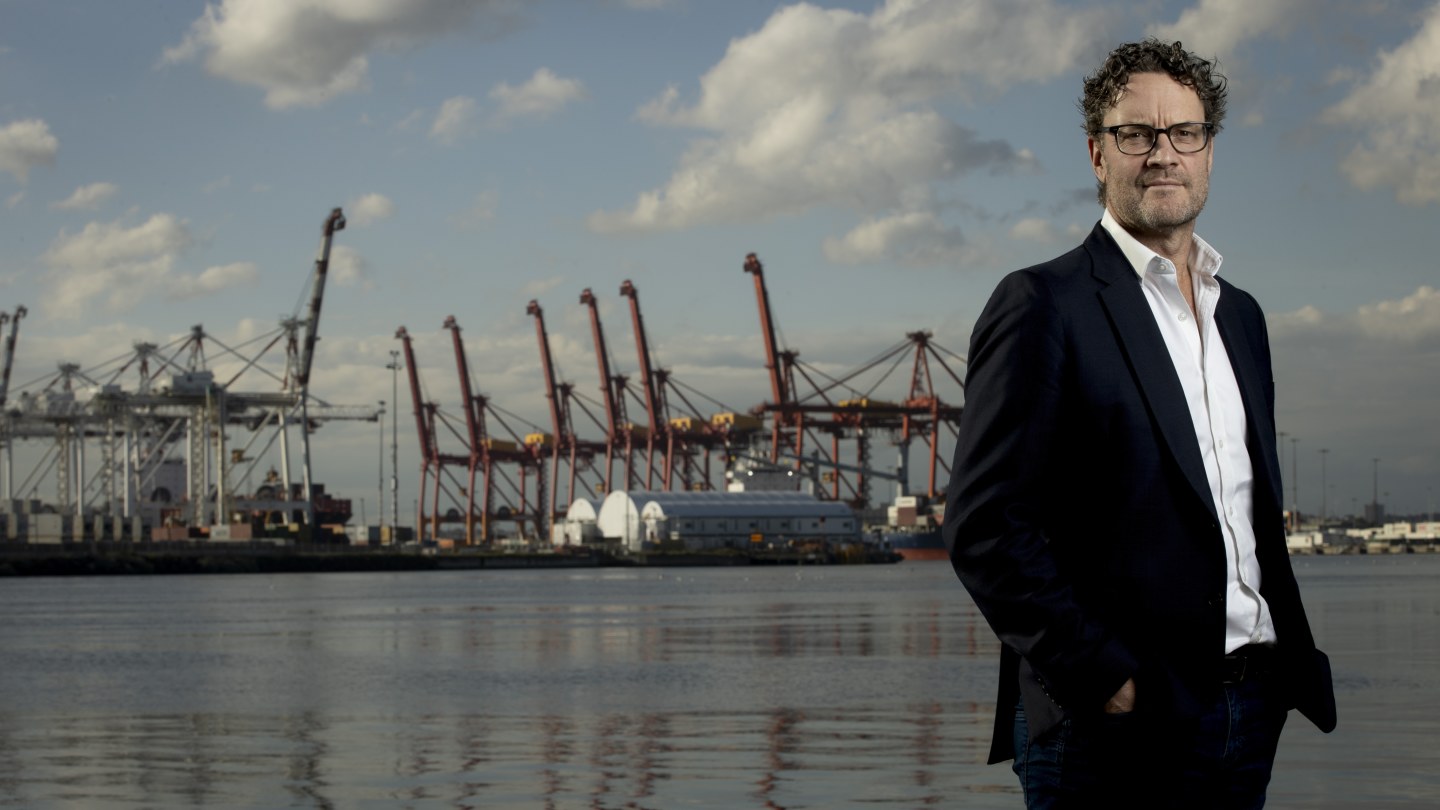
Port of Melbourne CEO Saul Cannon welcome the agreement. “We see VICT’s decision to extend its lease at the Port of Melbourne as a sign of great confidence in our future,” he said. He added “We welcome the investment VICT is making in the terminal and its shared commitment o keeping our port as the freight capital of Australia.”
A remaining contract life of 40 years
Port of Melbourne (PoM) and VICT announced the extension , which will see VICT continue to operate and manage the terminal until 2066. This moves the expiry date from 2040 and results in a remaining contract life of 40 years at Australia’s largest general cargo and container port.
Substantive growth in recent years,
It is noteworthy that the Port of Melbourne has seen substantive growth in recent years, including record trade in FY25, when it handled approximately $154bn in trade. This is expected to continue with container trade at the port forecast to double over the next 30 years.
About : The Port of Melbourne
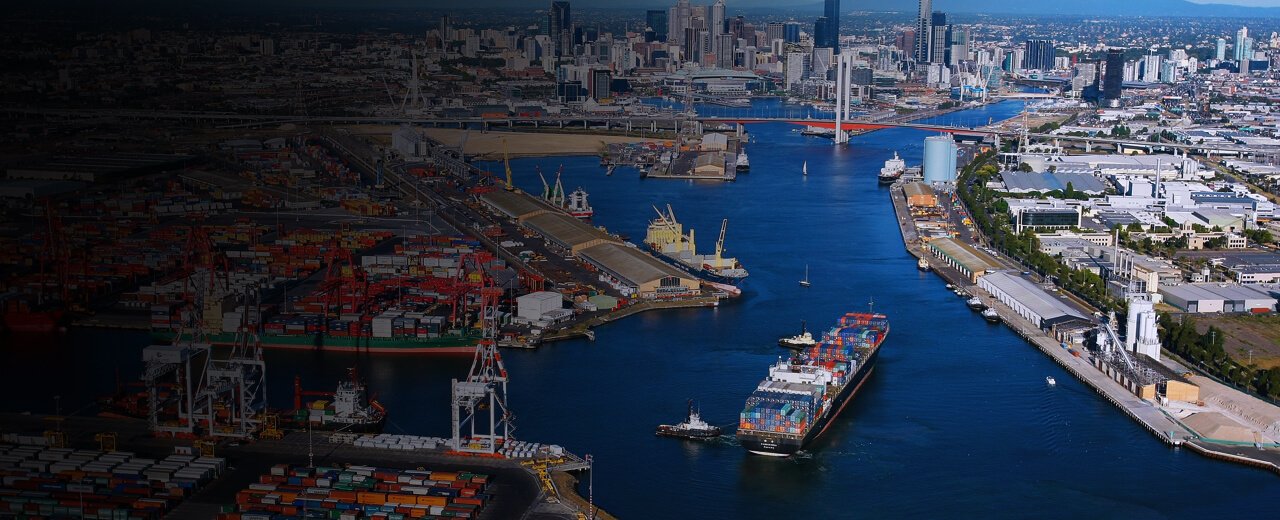
The Port of Melbourne is Australia's largest container and general cargo port, located in Melbourne, Victoria, at the mouth of the Yarra River and the head of Port Phillip Bay. It manages over 3 million TEU (Twenty-foot Equivalent Unit) annually, handling more than one-third of the nation's container trade.
Source : Press - Release
#Port of Melbourne # Australia #Saul Cannon #VICT#Trade Update for January# Webb Dock East terminal # , shipping revenues
You Might Also Like

20 October 2025
Recommendation News

Incidents
The Grande Avorio fire : The improper use of a Jeep Wrangler 16 October 2025
Ports
BMF Port Burgas Becomes a Member of ICHCA 17 February 2026
Shipping Lines
Reuters: Four supertankers turn back for fear of US seizure 16 December 2025
Ports
After Tropical Cyclone Fina Darwin Port resumes operations 25 November 2025
Ports
BIMCO : A total of 5,711 export vehicles are currently stranded at Asian ports 28 March 2026