Egypt offers Sumed pipeline to facilitate Saudi oil exports amid Hormuz closure
Egypt has 19 ports 14 of them are under development .and 79 petroleum storage facilities.
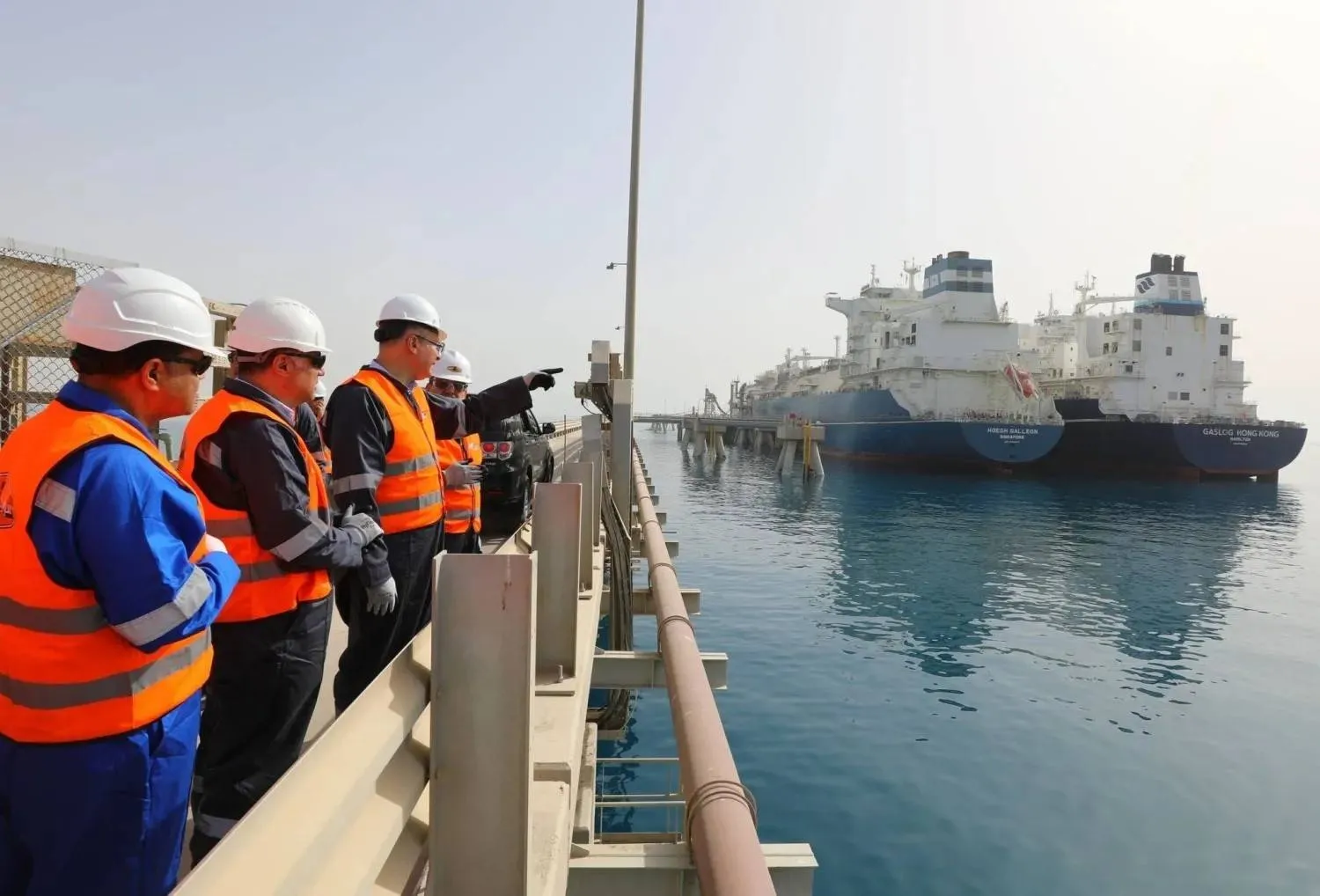
In an effort to attract international oil companies Egypt has offered ten oil storage facilities in the Red Sea ports of Ain Sokhna and Ras Badran for lease. This move comes at a time when tensions in the Strait of Hormuz are rising and oil shipments are facing disruptions. It was a potential alternative route for global energy flows after navigation through the Strait of Hormuz was almost completely halted due to the Iran-Iraq War.
The goal of this project
Egypt has 19 ports 14 of them are under development .and 79 petroleum storage facilities. These facilities were constructed at a cost of 2.35 billion Egyptian pounds. The goal of this project is to enhance strategic reserves and transform the country into a regional energy hub.
Attract global oil trading, transportation
According to press sources, the offering aims to attract global oil trading, transportation, and storage companies to take advantage of Egypt's estimated 29 million barrel surplus storage capacity in its main ports. Depending on the offers provided by the companies, the rental system will be either monthly or annual.
The Red Sea is becoming route for energy flows
Amid disruptions and fluctuations in shipping operations through the Gulf, the Red Sea is becoming an increasingly important alternative route for energy flows. After Iran announced the closure of the Strait of Hormuz, through which about a quarter of the world's seaborne oil trade and a fifth of its liquefied natural gas LNG supplies pass, Saudi Aramco temporarily reorganized its crude oil shipments by diverting some volumes through the port of Yanbu on the Red Sea to ensure continued supplies to its customers. The company also threatened ships passing through the strait.
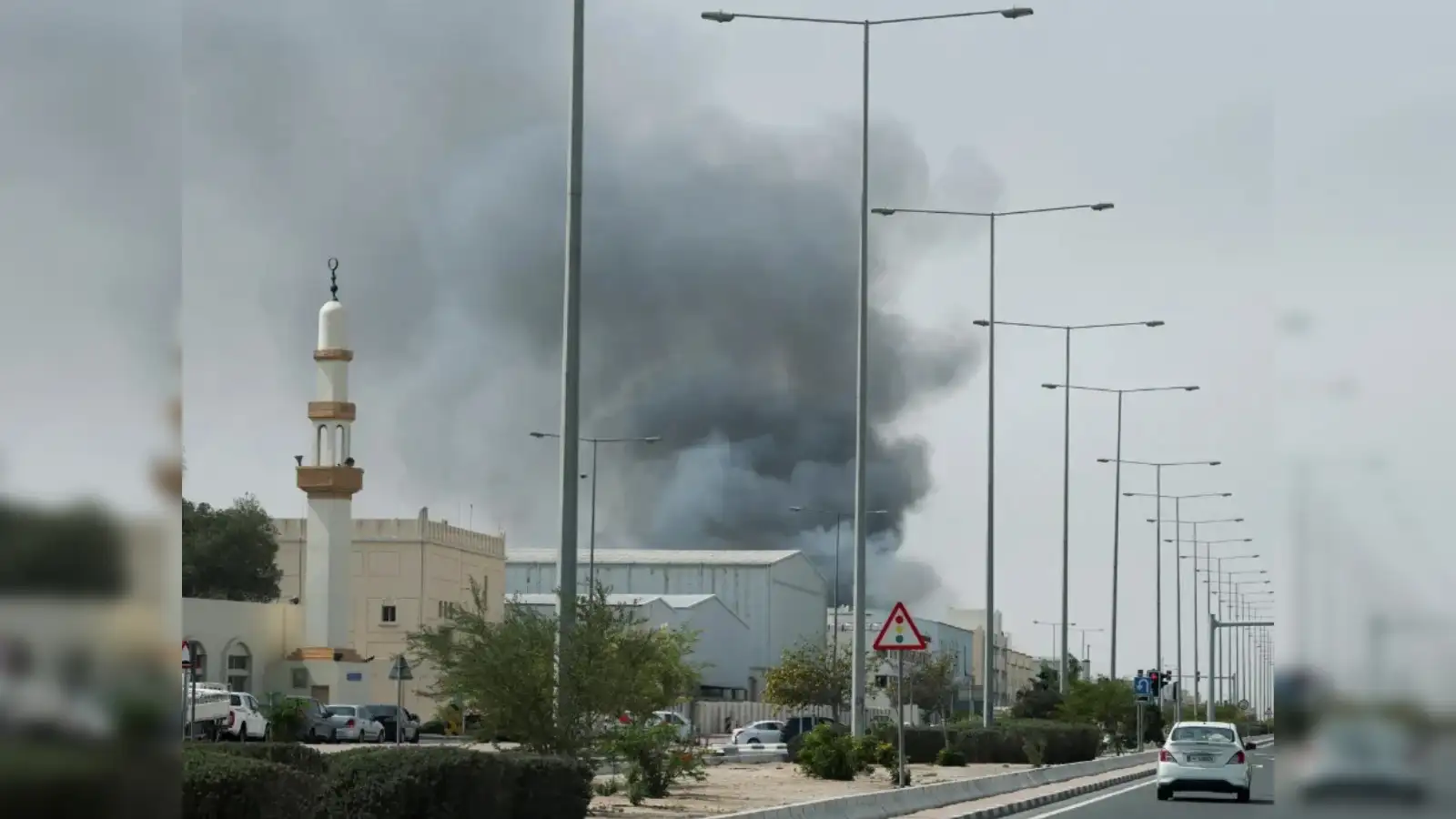
Related : Qatar is offering two gas tankers for lease as the Ras Laffan facility shuts down due to the war.
Qatar halted its production of LNG
Meanwhile, Qatar halted its production of liquefied natural gas in response to Iran's continued attacks on Gulf countries in retaliation for Israeli and U.S. strikes against Iran. This prompted precautionary shutdowns of oil and gas facilities throughout the Middle East .Qatar's production of liquefied natural gas (LNG) accounts for about 20% of the global supply, playing a major role in balancing the demand for the fuel in both the Asian and European markets.
The Kuwait Petroleum Corporation (KPC)
The Kuwait Petroleum Corporation (KPC) announced that it has implemented a reduction in crude oil production and refining throughput as part of its risk management and business continuity strategy.According to a statement from KPC, the decision was made "in light of the ongoing aggression by Iran against the State of Kuwait, including Iranian threats against the safe passage of ships through the Strait of Hormuz."
The price of West Texas Intermediate (WTI) crude
Notably this week, the price of West Texas Intermediate (WTI) crude futures has increased by more than 10%. As a result, the price is now more closely aligned with the Brent crude price, as buyers seek out available barrels. The Strait of Hormuz has effectively closed, leading to a supply constraint in the Middle East due to the growing US-Israeli conflict with Iran. Brent crude futures rose $5.42 (6.35%) to $90.83 per barrel, while WTI rose $7.81 (9.81%) to $89 per barrel.
The Dutch TTF natural gas contract, considered the European benchmark for LNG prices, notably increased by nearly 45 percent, reaching over 46 euros (approximately $54).
Related : Reasons for Asia's reliance on Middle Eastern oil - A report
#Egypt #Brent crude price #The Dutch TTF#KPC# Qatar #Saudi Aramco # ports of Ain Sokhna #Ras Badran #(WTI) crude # US-Israeli conflict
You Might Also Like


14 October 2025
Recommendation News

Shipping Lines
Alphaliner : The evolution of container shipping over the last 25 years in numbers- Details 12 January 2026
Shipping Lines
Iran and Oman are set to establish a framework for the Hormuz Corridor. 28 August 2026
Shipping Lines
Transocean Acquires Valaris In $5.8B Deal To Create Drillship Giant 11 February 2026
Marine Cultures
Christ in the Storm on the Sea of Galilee from Rembrandt’s works 29 October 2025
Ports
Italian ports are second in Europe after Dutch ports, 23 October 2026