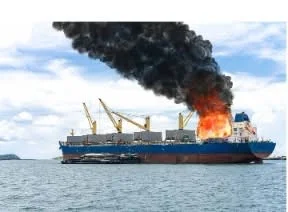
The world is currently experiencing the greatest economic crisis of the third decade of the twenty-first century:
By :Prof. Dr. Mona Nour El-Din,
Professor of Economic Geography and Transport
Vice Dean of the Faculty of Humanities for Graduate Studies and Research
The Maritime Straits Wars have exceeded their legitimate limits on land, at sea and in the air. The great powers have begun to control the world as if it were a chessboard, manipulating events from afar and nearby.
The second decade of the 21st century saw some of the world's greatest crises. These began with the outbreak of the SARS-CoV-2 virus in 2020, followed by the Russian invasion of Ukraine in 2022, the Iran-Israel war in June 2025, and the US-Israel war against Iran in February and March 2026. These conflicts impacted global supply chains, leading to energy and food crises, price increases, and higher insurance, operating, logistical, and fuel costs, as well as ship charter costs and route changes. Disruptions occurred in Black Sea traffic and there was a shift towards multimodal land transport, with rerouting from Bab el-Mandeb to the Cape of Good Hope and the closure of the Strait of Hormuz
A cycle of recession, inflation
.Undoubtedly, these changes are paid for by nations and peoples through the alteration of energy infrastructure, including seaports, pipelines, and storage facilities, and the immense losses suffered by companies, countries, and markets. Consequently, the world is currently experiencing the greatest economic crisis of the third decade of the twenty-first century: a cycle of recession, inflation and stagflation. Comparing these conflicts, we find that the Russian–Ukrainian war has extended both the land area between Russia and Ukraine and the maritime scope across the Black Sea. Despite the proximity of the two countries, this war has had a significant impact on the energy and food supply chains, rerouting them from pipelines running from Russia to Ukraine and Eastern and Western Europe to oil and liquefied natural gas tankers through European ports.
Some countries lost, while others watched from afar and benefited
While some countries were damaged by the shift in gas pipelines towards the east, others watched the situation from a distance. and benefited from it. These were energy-importing East, South and Southeast Asian countries. Meanwhile, other countries, including Egypt, Arab Gulf states and some North African countries, emerged as exporters of oil and liquefied gas to Europe via sea tankers. Russia was harmed by some of the sanctions imposed by the United States and NATO, but it overcame this by operating the Russian shadow fleet despite the sanctions. What made this war different was that it did not cross the Russian-Ukrainian border; it did not take place on their territory. Yet it had a major impact on the whole world
.This regional war has altered the map of supply chains,
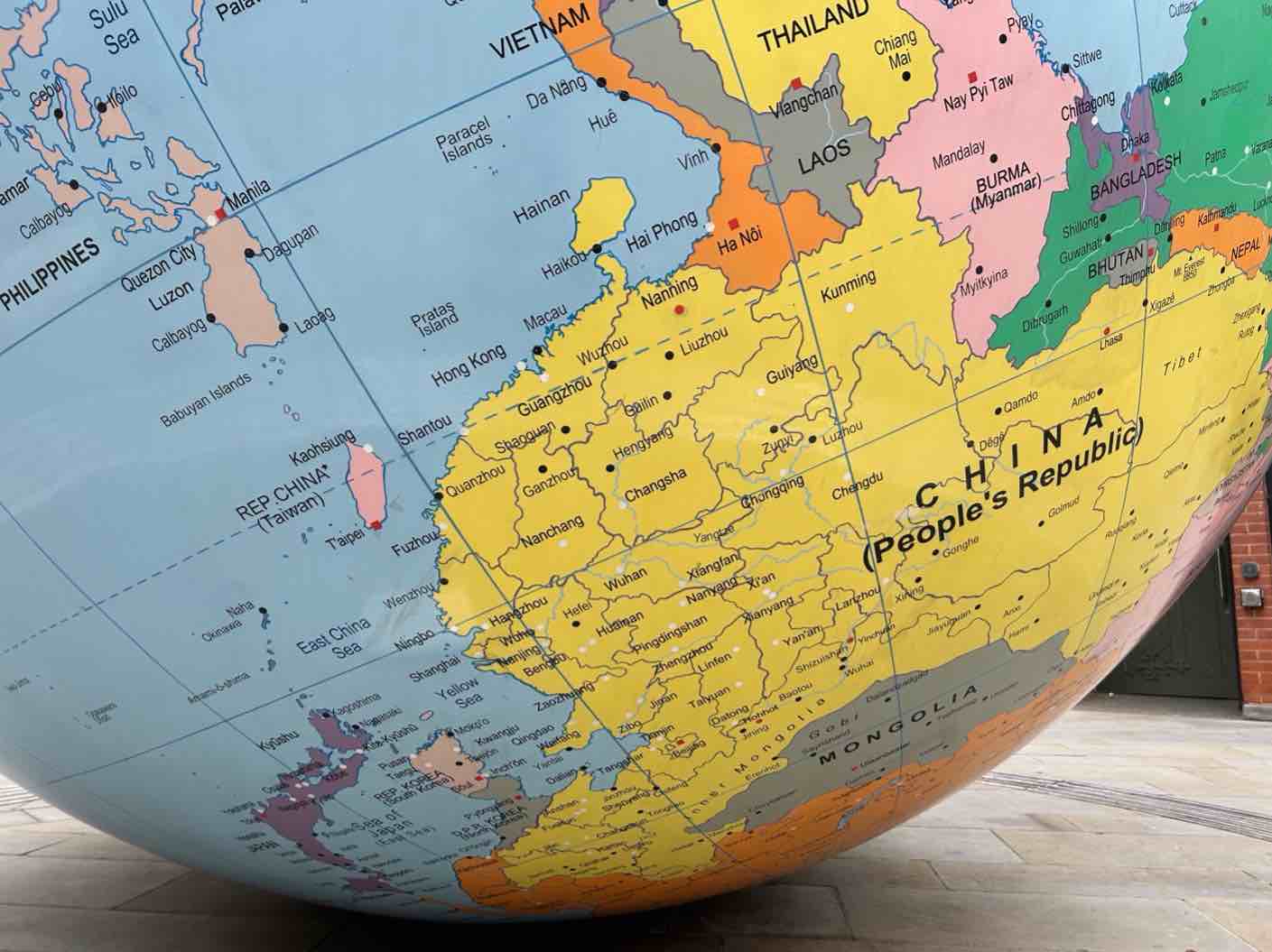
The American-Israeli war against Iran encompassed its land and sea domains across the Arabian Gulf and the airspace of most countries in the entire region. This regional war has altered the map of supply chains, affecting the movement of oil and liquefied natural gas tankers from the Arabian Gulf and the Strait of Hormuz, as well as pipelines extending from Saudi Arabia to the port of Yanbu on the Red Sea in the west, and from the UAE-Oman line and the Iraq-Turkey line via the port of Ceyhan in the south.
The security challenges and the great risks
Well, the idea is to avoid crossing the Strait of Hormuz because of the security challenges and the great risks that ships face from Iran. Meanwhile, there were beneficiary countries watching from afar: China, India and South Korea. These countries benefit from Russian oil and gas exports, especially given the reduction in pressure on Russia. New players have emerged in the region, such as Egypt, which operates the Sumed pipeline at maximum capacity to transport oil and liquefied gas from Ain Sokhna on the Red Sea to Sidi Kerir port, which is located to the west of Alexandria. Additionally, the Suez Canal receives maritime tankers chartered by the Kingdom of Saudi Arabia ( KSA )to transport its products through the Red Sea and the Suez Canal to Europe. Crises in energy, oil, gas, electricity, food, hunger, and thirst have been caused by this war, and a nuclear war that could end the world may even be led to as a result.
We're still waiting for the next installment of the game. Blue Terror might lead to World War III.
#Strait of Hormuz #port of Yanbu #The American-Israeli #Blue horror # World War III # Mona Nour El-Din #Strait Wars #Supply Chain #Suez Canal #Sidi Kerir port #Sumed pipeline
You Might Also Like
09 July 2026
Recommendation News

Marine News Room
An Interview with the Chairman of Gulf Craft, Mohamed Hussein AlShaali, for Maritime Tickers 23 July 2026
Shipping Lines
Hapag-Lloyd launches Germany-Netherlands rail route as Rhine water stays low 20 September 2026
Marine Cultures
Costa Crociere is launching a 139-day tour of the world. 28 April 2026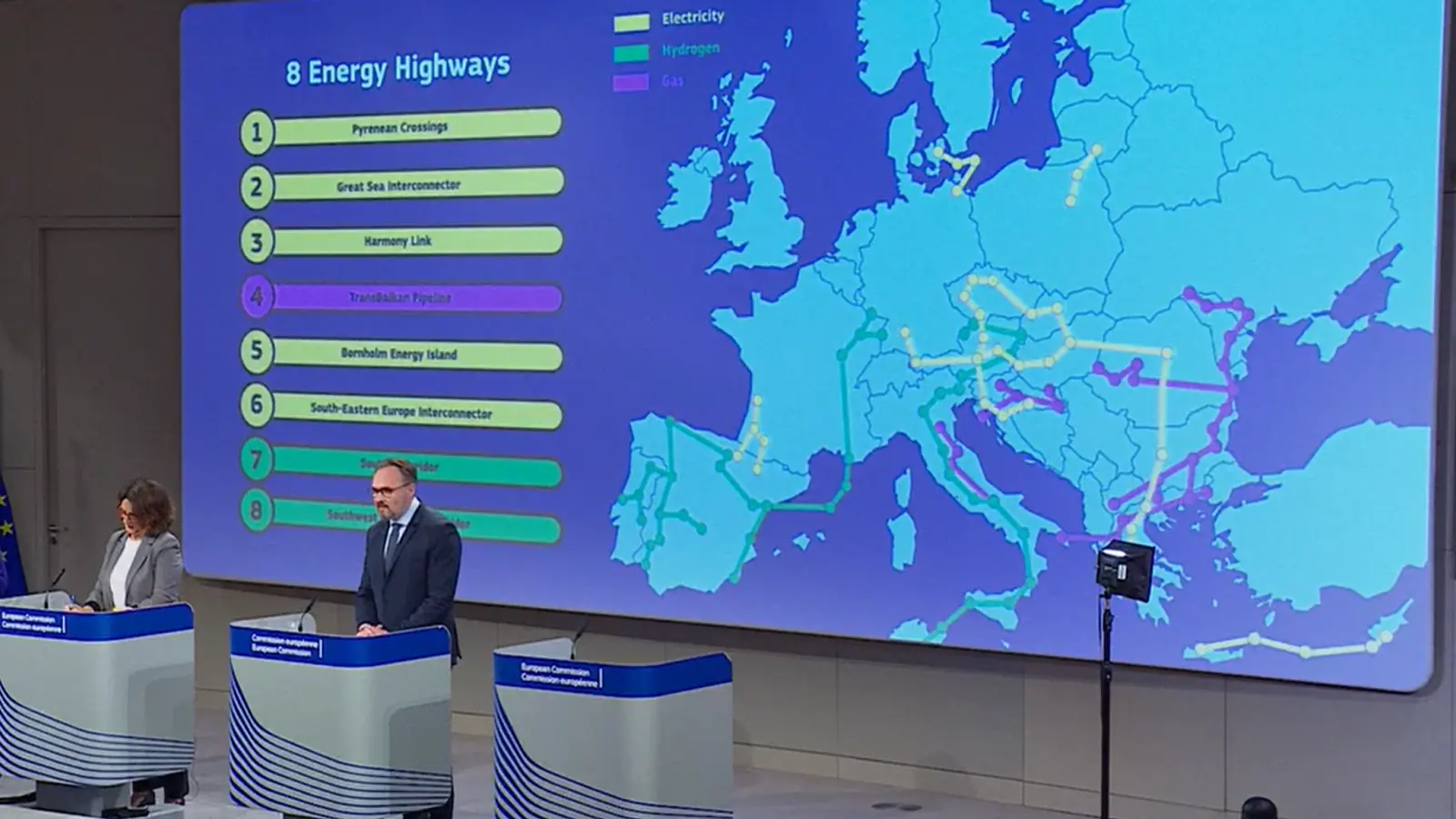
Shipping Lines
European Commission : Upgrade of the EU's energy infrastructure 11 December 2025
Seafarers
ISWAN’s half-year helpline data provides window into changing nature of life and work at sea 05 November 2025