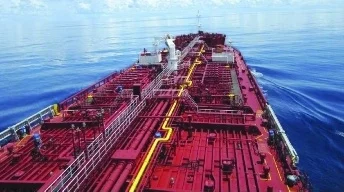
Oil revenue accounts for 30-50 percent of the Kremlin's budget, and it is essential for financing the Russian military
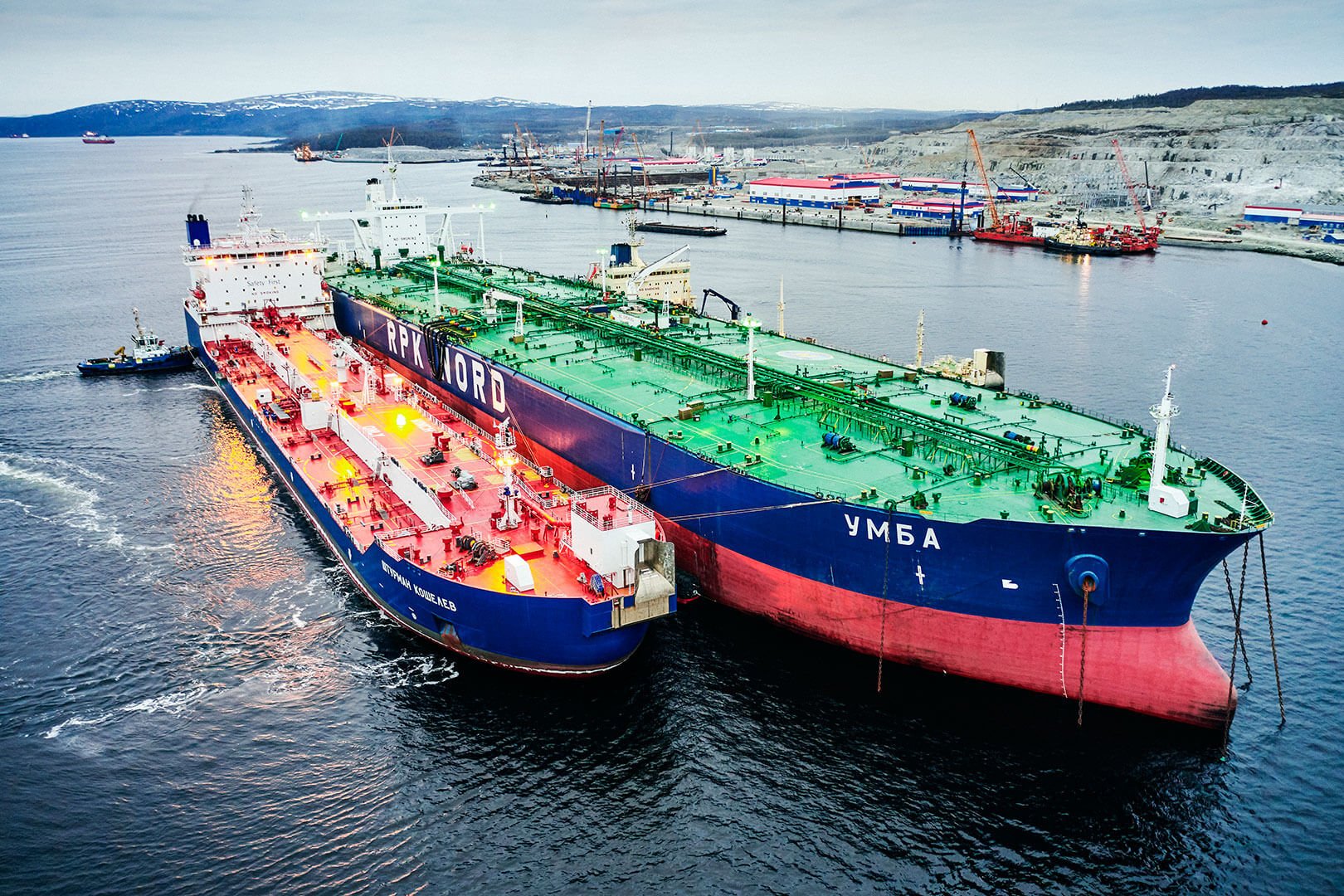
Since 2025, at least seven merchant vessels carrying Russian-origin oil have been targeted using limpet mines.
AMBREY warns of an increased risk of limpet mine attacks targeting merchant tankers carrying Russian-origin oil, with attacks likely continuing into early 2026. Vessels calling at Russian export terminals, particularly in the Black Sea and Baltic, are targeted with underwater explosions at the aft, often causing severe damage.
In a warning statement issued via its platform, Ambery said that the most likely effects are short-notice disruption: temporary danger areas, denser military/law-enforcement traffic, and schedule volatility. Live-firing and parallel enforcement activities increase the risk of miscalculation. Maintain routing flexibility.”The targeting may be designed to cause disruption to the port operations and to send a symbolic message to the oil recipient port
Russian shadow ships will be targeted with Limpet mine
While it is likely that Limpet mine attacks against tankers carrying Russian-origin oil ( Shadow fleet )will likely continue in early 2026 Each targeted tanker was laden at the time of the explosion which Each targeted tanker was laden at the time of the explosion. and Ports receiving Russian crude or refined products may be indirectly exposed to this threat also Vessels may be targeted after arrival, rather than during transit, particularly while alongside or at anchor It is noteworthy that since 2025, at least seven merchant vessels carrying Russian-origin oil have been targeted using limpet mines.
Ambrey’s analysis of limpet mine
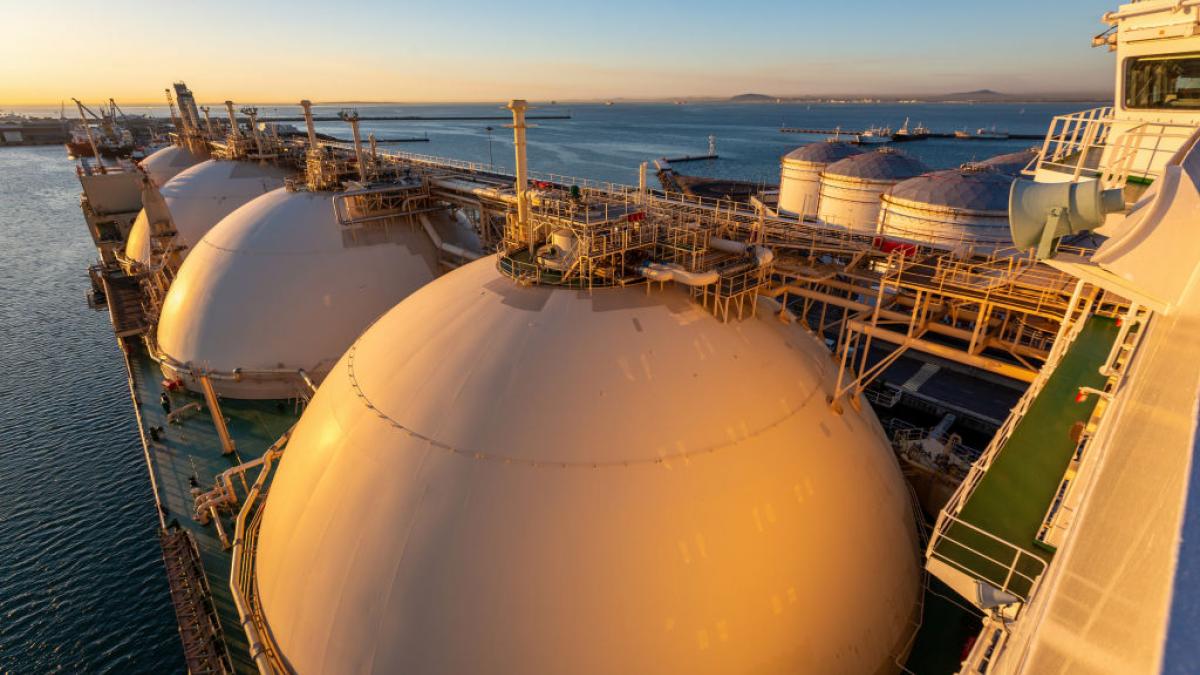
Ambrey’s analysis of confirmed and suspected limpet mine incidents indicates a consistent and deliberate attack methodology, resulting in vessel disablement and prolonged port disruption. In the majority of the incidents, the vessel was rendered non-operational and unable to proceed under its own power, necessitating emergency response, salvage support, and extended repair periods. These incidents demonstrate that limpet mine attacks were designed to cause partial loss to targeted vessels; however, in practice, they have imposed significant operational disruption, economic loss, and compliance risk on ports, extending well beyond the immediate damage to the vessel itself.
Jurisdictional complexity according to Ambrey
In accordance with Ambrey, jurisdictional complexity further compounds the challenge. Depending on the location of the incident, ports may be required to coordinate with port state control authorities, flag state investigators, coastal state environmental agencies, and law enforcement and security services.
“In parallel, ports must support or facilitate multiple technical and regulatory surveys including class and condition surveys, forensic examinations of hull damage, environmental damage and pollution risk assessments and structural integrity and safety reviews prior to any movement of the vessel,” Ambrey writes in its analysis.
Environmental exposure represents a critical concern. Even in the absence of a spill, ports may be required to implement precautionary pollution response measures, deploy containment assets, and conduct environmental impact assessments, all of which carry operational and financial implications.
Ambrey added that human factors also contribute to prolonged disruption. Crew members may need to be repatriated or rotated due to extended immobilisation, interviewed as part of investigations, and temporarily housed ashore under port authority oversight. Collectively, these factors result in extended vessel downtime, berth unavailability, and sustained operational strain on ports.
About : AMBREY
AMBREY, a UK intelligence firm specialising in maritime security and geopolitical risk analysis, said on the 21st that it had published an “AMBREY INSIGHT” assessing the threat posed by limpet mine attacks that indirectly target ports accepting Russian crude oil and petroleum products.
According to AMBREY, such attacks tend not to occur while vessels are underway, but rather after port entry, with tankers particularly vulnerable while alongside berths or at anchor. A defining feature is that the impact extends beyond damage to individual vessels, disrupting port operations themselves over a prolonged period.
About : .Limpet mines
.Limpet mines are just one of the challenges Russia faces in exporting its petroleum to global markets. According to Reuters, persistent Ukrainian attacks on refineries and the growing impact of U.S. sanctions on the "shadow fleet" have curtailed Russia's ability to process or ship out its oil production. An estimated 12-14 percent of Russian refining capacity is offline because of Ukrainian drone attacks, and about a third of all Russia-linked tankers have been blacklisted by EU and U.S. sanctions. Without the means to either use or move their oil,
Russian energy firms may soon exhaust storage options and could begin shutting in production, three Russian oil executives told Reuters this week - the first time since the beginning of the invasion of Ukraine that this measure has been considered. Oil revenue accounts for 30-50 percent of the Kremlin's budget, and it is essential for financing the Russian military.
Related : Ambrey: Oil tanker veered towards Iran after small boats approached it
Source: This document has been approved for distribution by Ambrey Analytics Ltd.
# Russian energy firms #.Limpet mines # #Shadow fleet #Russian export terminals #lag state investigators #U.S. sanctions #“AMBREY INSIGH
You Might Also Like

Recommendation News
Marine Tech
Freire Shipyard lays the keel of the Tauriko for Norwegian shipowner Napier 02 June 2026
Incidents
Estonian navy detains Russia-bound oil tanker in Baltic Sea 16 October 2025
Yachts&Cruises
Delivered the third ultra-luxury cruise ship to Ritz Carlton 14 October 2025
Yachts&Cruises
Costa Serena will leave Asia to return to the Mediterranean in 2027 23 February 2026
Incidents
Death toll climbs to 34 after Boat carrying 53 capsizes in Vietnam 18 October 2025