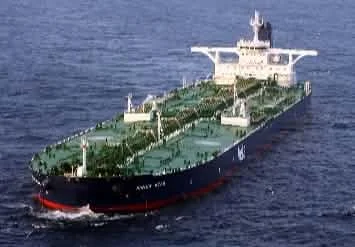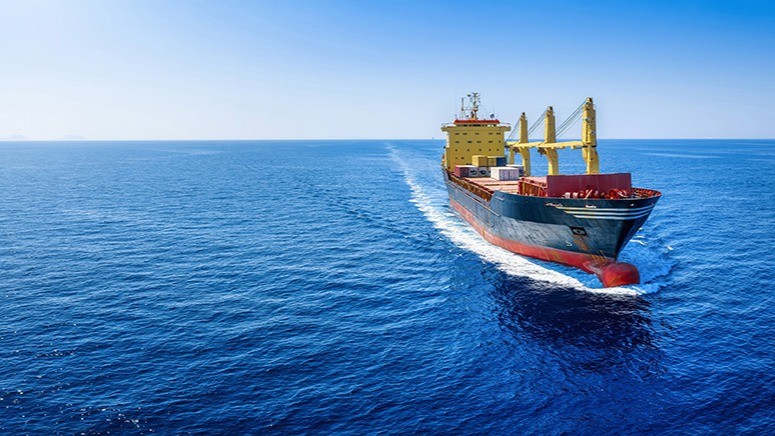
The bulk carrier departed from a grain terminal carrying 45,000 tonnes of corn and was navigating downriver under pilotage. Despite initially being suspected of touching the bottom, the vessel grounded later that evening after deviating significantly from the channel.
The Swedish Club presents the following case study "MSS Case March: Wrong Charts Lead to Grounding ":The bulk carrier had departed a grain loading terminal earlier that day at around 17:00 LT, carrying approximately 45,000 MT of bulk corn. Its destination was another port, where it would complete the loading of its cargo before proceeding to ports in the Middle East. The sailing draft upon departure was recorded at 9.78 metres, adhering to the maximum permitted draft for that day. River navigation was under the command of an experienced local river pilot, assisted by a second pilot..
A clear grounding incident.
After the harbour pilot disembarked at 19:30 LT, the downriver passage continued without notable incident until 22:01 LT when the vessel was suspected of briefly touching the bottom, prompting the pilot to reduce engine speed to half ahead. Ten minutes later, while approaching the vicinity of a navigational buoy, the vessel’s speed dropped rapidly from 8.5 knots to zero, signifying a clear grounding incident.
Following unsuccessful attempts to refloat the vessel
Following unsuccessful attempts to refloat the vessel using engine commands of full ahead, hard rudder and full astern, the grounding was officially reported at 22:35 LT. The pilot initially attributed the grounding to insufficient river depth and incorrect tidal information, despite the ECDIS on board the vessel indicating a position significantly to the left of the centreline of the charted channel. Subsequently, AIS data verified that the vessel was approximately 80 metres from the channel axis and 30 metres beyond the channel limit at the time of grounding.
Related : The Swedish Club reports 99% retention and increased tonnage at 2026 renewal
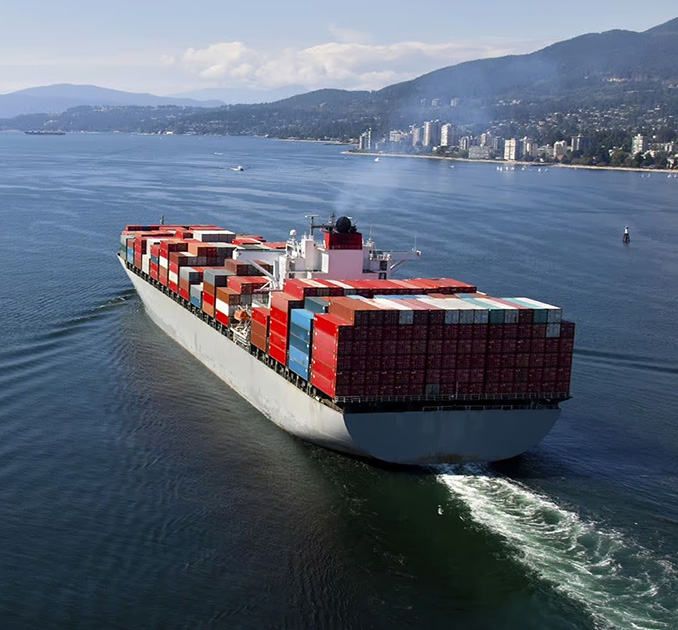
Preliminary assessments and confirming the absence of pollution
The regional Coast Guard responded with alacrity, embarking at 23:30 LT for preliminary assessments and confirming the absence of pollution or environmental degradation. Due to the urgent need to clear the navigational obstruction, salvage operations commenced swiftly. Initially assisted by one tug with a bollard pull of 65 tonnes, and later joined by a second tug with a bollard pull of 76.8 tonnes, the bulk carrier was successfully refloated the following day at 23:35 LT.
The Coast Guard revealed
Inspection by the Coast Guard revealed no structural damages or water ingress, leading to clearance for the vessel to continue her voyage
The investigation revealed significant discrepancies between the ECDIS display on the vessel and the ENC chart on the pilot’s personal tablet, which showed the vessel to be inaccurately positioned within the channel boundaries. Preliminary findings by the surveyor indicated that the grounding was most likely due to the pilot using an out-of-date chart. It was noted that the electronic charts displayed on the pilot’s and salvage master’s tablets were not official navigation charts. According to maritime rules, only charts displayed on certified ECDIS equipment or official paper charts issued by a recognised hydrographic service are recognised as official.
About The Swedish Club.
The Swedish Club (Sveriges Ångfartygs Assurans Förening), founded in 1872, is a leading, member-owned marine mutual insurance association based in Gothenburg, Sweden. It provides comprehensive "All-in-One" insurance, including P&I, Hull & Machinery, and FD&D, to international shipowners, focusing on safety, loss prevention, and high-quality service.
#The Swedish Club #MSS Case March #- Wrong charts#grounding #ECDIS equipment#AIS data #Coast Guard #Pilot
You Might Also Like

14 October 2025

16 October 2025
Recommendation News

Ports
Drewry : Significant improvement in traffic through the Suez Canal this week 15 January 2026
Incidents
New piracy incident off the coast of Somalia: cargo ship seized. 27 April 2026
Ports
AD Ports and Kuwait Ports Sign MoU to Development and Operation of Shuaiba Port 16 December 2025
Marine Tech
Over the past year, China has continued to dominate shipbuilding. 07 February 2026
Marine News Room
Francis Zachariae ..Secretary-General : Our dream for the future of IALA 20 October 2025