Geopolitical tensions in the Gulf region have forced a fundamental shift in logistics, moving from an efficiency-driven approach to one focused on resilience
The Gulf's economic significance ensures its continued relevance. Rather than avoiding the region, the way forward is to diversify and protect access to it, balancing risk mitigation with the opportunities of operating within the region.
You will, of course, learn a lot about all the latest technology developments and opportunities shaping the future of the maritime industry by attending Nor-Shipping in Oslo in June 2027.
Nor-Shipping is a global platform for collaboration and innovation within the maritime community, strengthening international cooperation and the protection of the principles of safe and unobstructed maritime passage.
By : Magdy Sadek
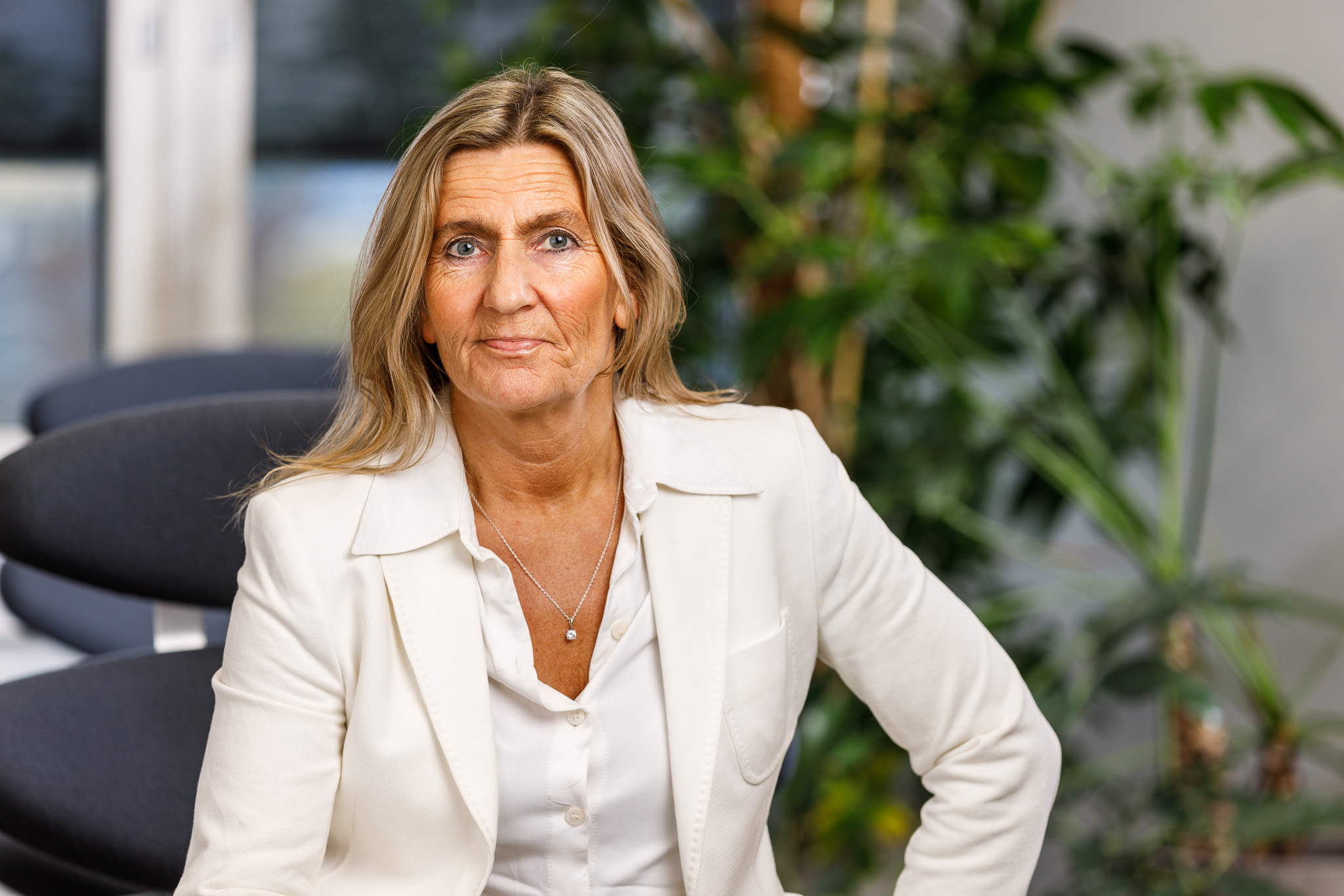
At the beginning of the exclusive interview for Maritime Tickers, Sidsel Norvik emphasized that the Gulf region has long been a hotbed of geopolitical conflict, resulting in a fundamental shift in logistics. As a result, the focus has shifted from efficiency to resilience. The result is a highly complex and unpredictable environment for the industry .CEO Nor- Shipping sees technology and digitalization as transformative tools for risk mitigation in maritime operations.
Sidsel Norvik indicated that Nor-Shipping serves as a global platform for collaboration and innovation within the maritime community , strengthening international cooperation and protecting the principles of safe, unobstructed maritime passage. On the other hand, Sidsel Norvik stressed that the empowerment of women is essential for the maritime industry’s transition toward greater innovation and sustainability.
Notably, Sidsel Norvik is the Director of Nor-Shipping, a world-leading maritime event for decision-makers across the global maritime industry. The event focuses strongly on the Blue Economy and sustainable ocean solutions. She has a strong background in publishing from DN Media Group, where she developed Upstream — the world's leading oil and gas newspaper and digital news outlet — from scratch. For the last ten years, she has combined this role with developing the commercial side of Recharge News, transforming it from a start-up into a leading global source of business intelligence for the renewable energy industry. She also sits on the board of Energi & Klima, a leading Norwegian source of news and insights on energy and climate issues in Norway and around the world.
Given the long history of geopolitical Tensions in the Gulf region, how do you perceive the impact of current security threats in the vital strait on the resilience of global supply chains?
The Gulf region has long been a focal point of geopolitical friction, with disruptions affecting vital maritime chokepoints. Current security threats of maritime blockades and militant attacks in the Strait of Hormuz have significantly strained global supply chains and have forced a fundamental shift from efficiency-driven to resilience-focused logistics. Escalating security threats amplify the vulnerability of global supply chains – particularly on oil, gas and raw materials. The uncertainty tied to potential blockades, attacks on vessels, or sudden regulatory shifts causes delays and rerouting, leading to increased costs and reduced reliability for shippers and receivers all over the world. The ripple effects extend beyond logistics, impacting production schedules, inventory management and ultimately consumer markets, forcing supply chains to mitigate risks, use different routes, and keep extra supplies on hand in order to prevent a total production standstill – an incredibly tricky and unpredictable situation for the industry.
As the director of Nor-Shipping, the premier global arena for maritime excellence and innovation, how can technology and digitalization help shipping lines navigate and mitigate the risks of geopolitical conflicts in the Middle East?
I see technology and digitalization as transformative tools for risk mitigation in maritime operations. The sector is increasingly relying on digitalization, satellite communication, and automation to navigate supply chain disruptions, maintain safety, and manage rising operational costs. Advanced analytics, real-time vessel tracking and predictive modelling enable shipping lines to anticipate and respond to emerging threats more effectively. Digital platforms foster seamless communication between ships and shore, and support faster decision-making during a crisis. Innovations enhance transparency and security in documentation, while automated systems can reroute ships dynamically in response to geopolitical developments. By investing in smart technologies, the industry can minimize disruptions, improve safety, and maintain the flow of global trade even in volatile environments. You will, of course, learn a lot about all the latest technology developments and opportunities shaping the future of the maritime industry by attending Nor-Shipping in Oslo in June 2027.

Ongoing crises in the region often force ships to avoid the Gulf and the Suez Canal. What is your assessment of the long-term economic and environmental impact of these alternative shipping routes?
When a crisis forces ships to bypass the Gulf and the Suez Canal, the economic impact is immediate. Longer voyages mean higher fuel expenses, increased insurance premiums and delayed deliveries. These costs trickle down through the supply chain, affecting prices and competitiveness. Environmentally, the shift to longer routes leads to increased greenhouse gas emissions and greater climate strain due to extended engine operation. Long term, the maritime sector must weigh these consequences and pursue mitigation strategies, such as investing in cleaner propulsion technologies and optimizing fleet efficiency, to balance operational needs with environmental stewardship.
In the face of sharp geopolitical divisions, how can the Nor-Shipping platform strengthen international cooperation and ensure freedom of navigation within the maritime community?
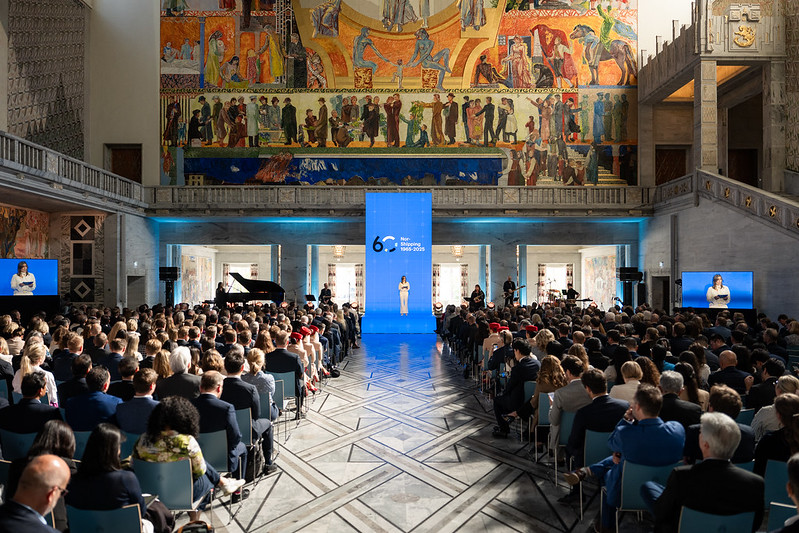
Nor-Shipping serves as a global platform for dialogue, collaboration and innovation within the maritime community. In times of sharp geopolitical division, Nor-Shipping brings together key stakeholders from diverse backgrounds to share best practices, forge partnerships and advocate for freedom of navigation. Through agenda-setting conferences, the large exhibition, workshops and social networking events, Nor-Shipping encourages transparency, trust, and mutual understanding, helping to reduce tensions and promote collective action. By championing open communication and joint problem-solving, the platform strengthens international cooperation and safeguards the principles of safe, unobstructed maritime passage.
Do you believe that historical instability in the Gulf region has altered investment strategies in global maritime infrastructure, or will the region always remain the vital heart of maritime trade?
Historical instability in the Gulf has undeniably shaped investment decisions in global maritime infrastructure. Investors increasingly seek diversification and prioritize optionality and redundancy over pure cost efficiency. Developing alternative ports, enhancing resilience in the supply network, and supporting infrastructure outside traditional hotspots are key. Nevertheless, the Gulf remains a strategic heart of maritime trade due to its proximity to major energy reserves and established shipping lanes. While the risk assessment factor in regional volatility grows in importance, the economic significance of the Gulf ensures its continued relevance. The way forward is not avoiding the region, but diversifying and protecting access to it, and balancing risk mitigation with the opportunities in operating within the region.
Related : Sidsel Norvik announces : Nor-Shipping unveils partners for 2027
In light of the geopolitical disruptions affecting the Gulf and global waterways, how can the maritime sector transform these challenges into opportunities for sustainable growth?
Geopolitical disruptions are immensely challenging and cause immediate delays and cost increases, but can also act as catalysts for structural transformation toward long-term sustainable and resilience in the maritime sector. Geopolitical disruptions drive innovation in alternative fuels, digital logistics and green shipping practices. Companies are incentivized to adopt flexible business models, diversify supply chains, and invest in sustainable technologies. Regulatory changes and market pressures encourage a shift toward environmental responsibility, fostering long-term resilience and competitiveness. By embracing sustainability as a strategic priority, the sector can turn adversity into a pathway for growth and global leadership.
Furthermore, how do you see the role of women as a driving force in leading this transition in line with the IMO's call for women's empowerment in the maritime and logistics sector?
The empowerment of women is essential for the maritime industry’s transition toward greater innovation and sustainability. Their contributions enhance decision-making, foster inclusivity and accelerate progress on key issues such as digitalization, environmental protection and labour standards. Women’s International Shipping & Trading Association (WISTA International) is a driving force for change, advocating for greater diversity and inclusion within the shipping, trading and logistics sectors, and has over 6000 members across 60 National WISTA Associations. WISTA was granted consultative status at the International Maritime Organization (IMO) in 2018 and observer status by the United Nations Conference on Trade and Development (UNCTAD) in 2023. Its influence continues to grow as a force for inclusiveness across all genders, ethnicities and cultures working within global shipping. Nor-Shipping is a proud member and supporter of WISTA Norway.
# WISTA International# maritime industry #Sidsel Norvik #Nor- Shipping # Oslo #(IMO) #global trade #UNCTAD) #Gulf region # empowerment of women
You Might Also Like
29 August 2026

22 November 2025
Recommendation News

Ports
DP World explores operations at both ends of Panama Canal 22 January 2026
Marine News Room
Pablo Rodas-Martini :3 classical models of Shipping companies 28 October 2025
Ports
Green Ports Are Becoming India’s Competitive Advantage 29 December 2025
Marine Tech
ClassNK awards world’s first MASS notation to domestic container ship “Genbu” 04 April 2026
Marine Tech
Handover of Dory 2 to Degage Group marks evolution of Austal Vietnam 22 June 2026