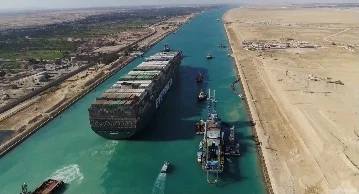
According to Descartes, the May data should be viewed as a snapshot before any possible recovery. The recovery of commercial activity follows the initial reopening agreement that was announced in June.
The Descartes Global Shipping Report shows that U.S. seaborne imports from ports exposed to the Strait of Hormuz plunged 93.2% year on year in May 2026. The waterway closed on 28 February, causing a fall from 1.5m metric tonnes to 100,591 tonnes.
The data show a sharp break from normal volatility in U.S.-bound flows from Iraq, Kuwait, Qatar, Bahrain, the United Arab Emirates, and Saudi Arabia. Descartes measured the trade by country of departure, rather than country of origin, meaning the figures include cargo that left ports in these countries, even if the goods were produced elsewhere.
The collapse in May followed smaller year-on-year declines
The collapse in May followed smaller year-on-year declines of 33.0% in March and 34.7% in April. Before this, from May 2025 to February 2026, monthly fluctuations ranged from a 27.7% decrease to a 26.2% increase. The most significant impact was observed in the energy sector. Imports of mineral fuels, mineral oils, and related products (HS27) from affected Hormuz ports fell by 92.8% in May 2026, dropping from 1.1 million tonnes to 80,878 tonnes. In contrast, total U.S. HS27 imports decreased by 15.2%, falling from 19.3 million tonnes to 16.4 million tonnes.
The fall in refined petroleum products was even steeper. Imports of HS2710 from the affected ports dropped by 98.4%, from 647,376 tonnes to 10,174 tonnes. Meanwhile, total U.S. imports in this category fell by 22.2%, from 7.6 million tonnes to 5.9 million tonnes.
Related: Oil shipping through the Strait of Hormuz has been suspended.
Imports of crude petroleum and fertilizer
Imports of crude petroleum under HS2709 from the same ports fell by 96.9%, from 455,804 tonnes to 13,947 tonnes. Total U.S. crude imports fell by a milder 11.7%, from 11.0 million tonnes to 9.8 million tonnes. This suggests that alternative sources or existing supply arrangements absorbed some of the impact.
In percentage terms, fertilizer flows were hit hardest. HS31 imports from Hormuz-affected ports dropped from 93,550 tonnes to a recorded volume of zero, while total US fertilizer imports fell by 44.2%, from 991,322 tonnes to 552,767 tonnes.
The resilience of aluminum
The resilience of aluminum was demonstrated. Imports of HS76 from affected ports fell by 86.1%, from 49,630 tonnes to 6,896 tonnes. However, total US aluminium imports rose by 20.5%, from 377,716 tonnes to 455,166 tonnes, supported by increased volumes from countries including China and Malaysia.
The May data should be viewed as a snapshot
Before any possible recovery, the May data should be viewed as a snapshot, according to Descartes. The rebound of commercial flows after the initial reopening agreement announced in June will be indicated by future monthly figures. The provision of software, data and network services for logistics-intensive businesses is the remit of Descartes. This includes trade compliance, routing, transportation management, customs processes and supply chain visibility.
Source : Agencies
# Descartes.#U.S. imports # US fertilizer #May #U.S. seaborne imports #Strait of Hormuz#crude imports
You Might Also Like


10 April 2026
Recommendation News

Shipping Lines
GEODIS achieves WHO GDP certification for its hub in Korea 06 February 2026
Marine News Room
Capt. Mahdi Al-Tamimi : Increasing risk of Shadow Fleet 27 December 2025
Marine News Room
Exclusive with Gavin Allwright Secretary General of IWSA ( 2- 3 ) 20 October 2025
Shipping Lines
CMA CGM leads intra-Mediterranean growth: +26% capacity as market declines 05 January 2026
Shipping Lines
EU : A new strict measures against the so-called “shadow fleet" 21 November 2025