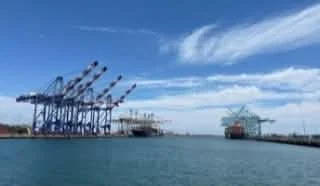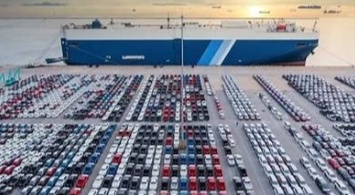
The IMO is currently evaluating new requirements regarding fire detection and suppression systems, as well as operational procedures for vessels transporting so-called 'new energy vehicles'
Currently, the international transport of electric vehicles is not subject to any specific regulations from the IMO. Instead, shipments continue to be governed by the IMDG Code for dangerous goods and the SOLAS Convention.
The global market for Pure Car and Truck Carriers (PCTCs) is being put under pressure by the significant growth in Chinese automotive exports. This is forcing manufacturers and logistics operators to increasingly turn to alternative solutions for transporting vehicles by sea. Dedicated Ro-Ro vessels remain the preferred choice for efficiency and safety. However, a shortage of available capacity is driving the use of containers, flat racks and multipurpose vessels. This raises new questions regarding operations and safety.
China has taken the lead as the world's top vehicle exporter
A detailed report by World Cargo News reveals that China has taken the lead as the world's top vehicle exporter. The fast-growing demand for electric vehicles has led to a surge in demand for maritime capacity, which is outpacing the supply of specialized ships. Fierce competition for space on PCTCs has been the result, and a need for major manufacturers to strengthen direct control over their supply chains has been created.
Design of Pure Car and Truck Carriers PCTCs
Pure Car and Truck Carriers PCTCs are designed exclusively for vehicle transport and feature multiple decks, dedicated ramps, specialised securing systems, and layouts that maximise both capacity and cargo safety. Thanks to these features, they remain the industry standard for the maritime transport of new vehicles.
Investment directly in Chinese manufacturers' fleets
Some Chinese manufacturers have made the decision to invest directly in their own fleets, with a view to reducing their reliance on the charter market. Carriers have already been introduced by BYD, while the development of its subsidiary, Anji Logistics, has been accelerated by SAIC Motor, with it being transformed into a leading global player in automotive logistics.
The unpredictability of the shipping market.
Following its 2007 acquisition of MG Rover's assets, SAIC, one of China's leading automakers and owner of the MG brand, has supplemented its investments in dedicated vessels by utilising containers, flat racks and partnerships with specialised maritime operators. This plan is indicative of a growing trend among leading Chinese manufacturers: the increasing integration of logistics operations to minimise vulnerability to the unpredictability of the shipping market.
Fire suppression setups
However, challenges that go beyond mere operational efficiency are presented by the use of multipurpose vessels and containers. Ventilation systems, fire suppression setups, and loading procedures specifically designed for transporting automobiles are all features of Pure Car and Truck Carriers (PCTCs). These features are even more critical when dealing with electric vehicles.
Related: (VCSF) : Guidelines for fighting fires on Vehicle Carriers
'Thermal runaway'
'Thermal runaway' is the term used to describe a chain reaction that is particularly difficult to contain in the event of a fire involving lithium-ion batteries. Consequently, it is becoming increasingly important to properly secure vehicles, ensure the availability of qualified terminal personnel, and adopt appropriate handling procedures, even when vehicles are transported in containers or on multipurpose vessels.
The maritime transport of electric vehicles
The maritime transport of electric vehicles is not yet subject to any specific International Maritime Organization (IMO) regulations. Shipments continue to be governed by the IMDG Code for dangerous goods and the SOLAS Convention, which set out different rules for complete vehicles compared to lithium batteries that are transported separately. But there have been some big fires involving the car carriers *Felicity Ace* (2022) and *Fremantle Highway* (2023). This has led to more international discussions on the subject. The IMO is currently evaluating new requirements regarding fire detection and suppression systems, as well as operational procedures for vessels transporting so-called 'new energy vehicles'.
Growth of the Chinese automotive industry
The Chinese automotive industry is growing rapidly, which is having a big impact on the car carrier market, the logistics strategies of manufacturers, and the international regulatory landscape. The entry into service of numerous PCTC vessels is imminent, with the Italian shipping group Grimaldi also playing its part in newbuild projects. Despite this, reliance on alternative solutions is set to remain a key component of Chinese automotive exports. Direct implications for the organisation of global maritime trade are exerted by this, and upward pressure is exerted on shipping rates, including those for container transport.
Source: Shipping Italy
# Chinese automotive industry #IMO#Shipments #IMDG Code # Ventilation systems #PCTCs #group Grimaldi #SAIC Motor #World Cargo News #Chinese manufacturers #global maritime trade #Ro-Ro vessels
You Might Also Like

Recommendation News

Incidents
Estonian navy detains Russia-bound oil tanker in Baltic Sea 16 October 2025
Shipping Lines
Newly Built LNG Vessel for Diamond Global Energy Named DIAMOND GAS JADE 29 May 2026
Marine Tech
ABS Approves Seagate Space’s Modular Offshore Launch Platform 07 December 2025
Yachts&Cruises
CLIA announces Hall of Fame 2025 inductees 21 December 2025
Shipping Lines
Hapag-Lloyd posts solid nine-month results with higher volumes, lower rates 14 November 2025