With Iran demanding a tolling system and the U.S. insisting that this not happen under any circumstances, Oman appears to be deploying a degree of "strategic ambiguity", according to analysts.
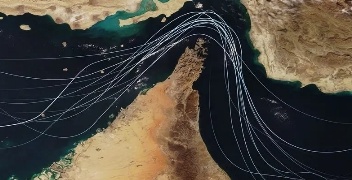
Following a series of discussions in Muscat between Oman and Iran concerning navigation arrangements in the Strait of Hormuz and the assurance of its security and freedom of passage, reports from the US suggest that Muscat is developing a plan to regulate maritime traffic through two separate routes. These are said to be subject to agreements reached by both parties.
A preliminary plan to regulate maritime traffic in the Strait of Hormuz
CNN has learned from an unnamed source that Oman has drawn up a preliminary plan to regulate maritime traffic in the Strait of Hormuz via two distinct routes, each of which is subject to different accords. The source clarified that, according to the Omani proposal, which is still in the works, both routes would remain accessible to shipping.
Freedom of navigation will be permitted in the southern corridor
According to the draft, freedom of navigation will be permitted in the southern corridor, which passes through Omani territorial waters, in line with the arrangements in place before the outbreak of war. Ships transiting the northern corridor will require prior approval from Tehran. The northern corridor is located within Iranian territorial waters. However, ships will not be subject to fees. This information comes from the same source.
An Omani proposal for managing the Strait of Hormuz
Meanwhile, ABC News reported, citing a US official and a source familiar with the matter, that Iranian Foreign Minister Abbas Araqchi had returned to Tehran with an Omani proposal for managing the Strait of Hormuz. The sources further elaborated that the Omani proposal stipulates the unimpeded operation of the southern lane of the strait. At the same time, Axios, quoting a diplomat who knows about the problem, said that the Iranian side could not agree to the Omani idea at the Muscat meeting and had to send it back to Tehran to talk about it.
With Article 5 of the US-Iranian MoU
The official Iranian news agency IRNA reported that Foreign Minister Abbas Araqchi arrived in Muscat. He met with his Omani counterpart Badr Al Busaidi. They discussed views on appropriate mechanisms to ensure the safe passage of ships through the Strait of Hormuz. This is in accordance with Article 5 of the US-Iranian Memorandum of Understanding MoU
Iran's commitment to reopening the Strait of Hormuz and removing military obstructions to ensure the safe passage of ships is stipulated in Article 5 of the Islamabad Memorandum of Understanding, which was signed between the United States and Iran in June 2016.
The technical arrangements
Its technical arrangements include Iran's commitment to guaranteeing the safe passage of commercial vessels through the strait free of charge for 60 days. This will be followed by 30 days to clear the strait of obstructions. The article also stipulates that Iran and Oman should engage in dialogue to determine the future management of the strait in accordance with international law.
Following the United States' demand on Friday that Iran make a public pledge not to target ships in the Strait of Hormuz and to keep all its sea lanes open to commercial shipping, talks were held between Tehran and Muscat.
ٍSource: Agencies
#IRNA #Abbas Araqchi #Omani proposal#Article 5 #Strait of Hormuz #passage of ships #CNN #Axios #ABC News #US #Freedom Navigation
You Might Also Like

Recommendation News

Yachts&Cruises
The induction of Ritzenthaler to the CLIA Hall of Fame for 2026. 02 May 2026
Ports
AD Ports : Expands Sustainable Fuel Solutions at Khalifa Port 11 October 2025
Marine Tech
US Marines join the war against Iran to clear the Strait of Hormuz of planted mines. 16 March 2026
Incidents
Fire on 3 ships in the Sea of Oman before the Strait of Hormuz 17 October 2025
Shipping Lines
MSC Strengthens Iroko Service with New Direct Cape Town Call 23 December 2025