
The international community lacks a unified legal framework to address piracy, which is an issue that needs to be addressed. Is it time to establish legal obligations to deter piracy?
By: Sayed A. Abu Zaid
Law Advisor ( Maritime Arbitration Consultant and International Attorney )
MLC Amendments emphasised that shipowners are legally obligated to continue paying seafarers full wages and benefits. This is true even if their employment contracts expire during captivity. The obligation to pay continues until the seafarers are safely released and repatriated. With reference to the Beijing Convention on the Judicial Sale of Ships, it facilitates the judicial sale of ships to ensure that priority claims, such as seafarers' wages and damages, are paid swiftly.
Firstly, the carrier's liability for cargo damages (piracy claims).
The Hague-Visby Rules exempt carriers from liability for cargo loss or damage resulting from piracy (classified as an "act of public enemies" or "force majeure") if they exercised due diligence in making the ship seaworthy and secure before the voyage.
Related: Since 2024: Pirates board tanker off Somalia in biggest escalation
General Average: Paying pirates to secure the release of the ship and cargo is a legal way of classifying the expenditure as a "general average". Consequently, cargo owners may be required to contribute proportionally to the ransom cost.
Secondly: the liability of shipowners to seafarers (compensation and care)
Seafarers or their designated families must be paid full wages throughout the captivity period. Post-release, all medical and psychiatric rehabilitation costs must be covered by shipowners. In the event of death or long-term disability resulting from a pirate attack, swift compensation will be paid out if compulsory financial security (P&I insurance) is in place. Compulsory financial security (P&I insurance) must be in place to pay compensation for death or long-term disability resulting from pirate attacks. It is the law that the carrier must organise and pay for the safe return of seafarers to their home countries.
Related: The ReCAAP ISC did not receive any reports of piracy against ships in Asia over the past week.
Legal deadlock:
Negotiations sometimes stall because paying ransom to certain pirate groups may violate international counter-terrorism financing laws (e.g., OFAC sanctions), which puts shipowners and insurers in a legal dilemma.
The question remains: what are the repercussions of the piracy incident on the ship M/T Eureka and the holding of the sailors hostage until the ransom was paid?
Related: Eight Egyptians on board: Oil tanker hijacked by Somali pirates
The 3,353 dwt oil tanker M/T Eureka sails under the Togolese flag and is owned by Yemeni interests. Of the 22 crew members on board, eight are Egyptian nationals (including the captain), alongside several Indian seafarers. On 2 May 2026, the vessel was boarded by armed pirates while at anchorage off Qena Port in Shabwa, Yemen. It was subsequently diverted and is currently anchored off the coast of Somalia's Puntland region.
Why negotiations have collapsed: 'Back to square one'?
The following factors have caused negotiations to reach a critical deadlock:
Ransom dispute:
Negotiations had reportedly reached a preliminary agreement on a ransom of $2 million. However, the pirates reneged on the deal, abruptly demanding a much higher sum — with some reports indicating up to $10 million.
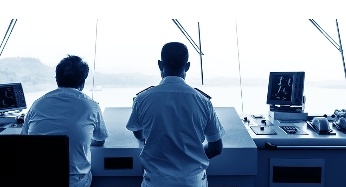
The owner procrastinates.
The Yemeni shipowner's stalling and failure to take decisive action to secure the release effectively caused it to collapse. The owner's tendency to put off tasks is evident. The IMO has issued urgent appeals warning of critical shortages of food and hijacked vessels, as well as escalating threats of violence against captive crews.
Piracy is one of the most dangerous forms of maritime aggression. It has paralysed the movement of maritime routes and lines worldwide in light of escalating geopolitical crises, consequently harming the economies and security of many countries. However, the international community lacks a unified legal framework with which to address this issue. Is it time to introduce legal obligations that act as a deterrent?
#Piracy # Yemeni shipowner # IMO #Said A.Abu Zaid #Hague-Visby Rules # Beijing Convention #MLC Amendments #P&I insurance) #M/T Eureka
You Might Also Like

Recommendation News

Shipping Lines
Sallaum Lines takes delivery of LNG dual-fuel PCTC “MV Ocean Explorer” 10 January 2026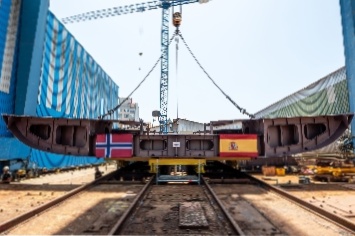
Marine Tech
Freire Shipyard lays the keel of the Tauriko for Norwegian shipowner Napier 02 June 2026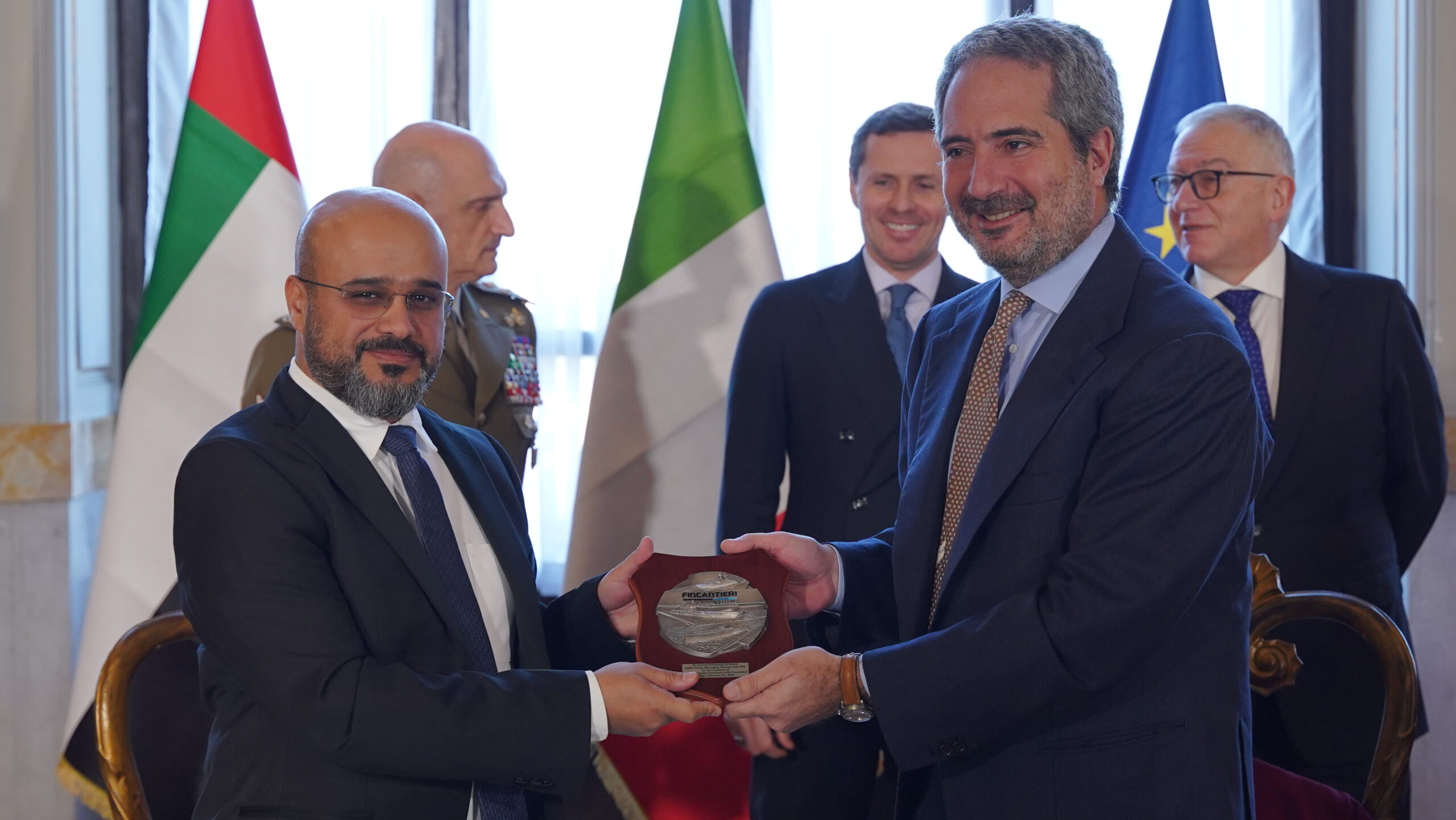
Marine Tech
Fincantieri and Edge contract with the United Arab Emirates Navy 08 October 2025
Yachts&Cruises
Majesty 100 Terrace First Hull Handed Over 08 October 2025
Marine News Room
The historic duel with the Drawn Sword of God is part of the story of Hormuz, the "Master of the Strait". 30 March 2026