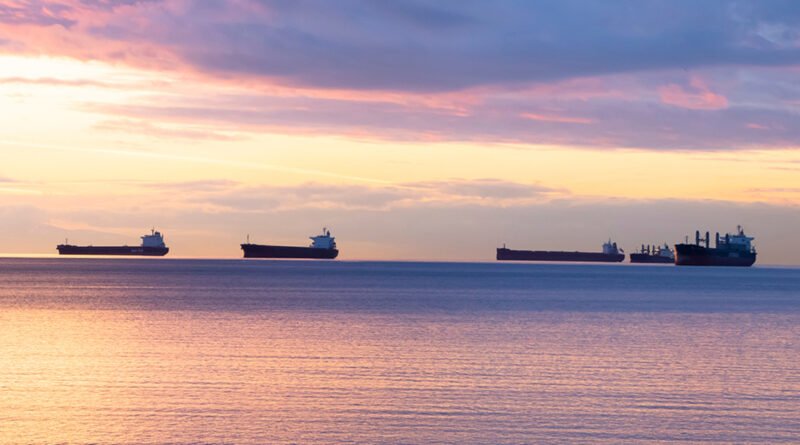
Gard’s analysis of its hull and machinery fire and explosion claims from 2017 to 2024 revealed that almost 60% of incidents originated in engine rooms.
BIMCO’s Tanker Safety Network recently examined how leaking pipes, inadequate insulation and electrical faults can lead to serious fires. Members shared their practical experience and discussed the maintenance, technology and organisational support required to minimise the risk. On 29 October 2026, the network met online for a session on engine room fire prevention, combining three incident case studies with polling and an exchange of members’ experiences. The presentation emphasised the human, operational and financial consequences of engine room fires. Gard’s analysis of its hull and machinery fire and explosion claims from 2017 to 2024 revealed that almost 60% of incidents originated in engine rooms.
Learning from incidents
Three cases illustrated how defects and weaknesses in protective measures can combine:
A failed fuel connection. A replacement pressure transmitter fitting with an unsuitable thread failed, allowing fuel to spray onto a turbocharger with missing insulation. The incident demonstrated the importance of both suitable replacement components and effective protection of hot surfaces
A hydraulic oil leak awaiting repair. A leak had been identified several hours before a fire, but repair was deferred until the vessel reached anchorage. The fire developed while the ship was still at sea, prompting discussion about assessing warning signs and deciding when action is needed
An electrical fault in a starter panel. Inspection following an auxiliary blower alarm revealed a burnt-out contactor and damage to associated electrical components. Worn contacts, loose connections and shortcomings in inspection and maintenance were discussed as possible contributing factors
Related: BIMCO adopts biofuel clause to support transition to low-carbon fuels
The presentation also highlighted pipe supports, tightening procedures, filter covers and flexible hoses as areas requiring attention. Restoring insulation and protective arrangements after maintenance is an essential part of completing the job.
Making prevention work in practice
Members discussed the challenge of inspecting the large number of electrical components on board. Approaches shared included identifying critical equipment and incorporating inspection and servicing of contactors into the planned maintenance system. Participants also questioned how to capture risks elsewhere in the installation.
Alongside these technical measures, participants raised wider questions about the availability of suitable spare parts, time to carry out repairs and support for less experienced engineers. They discussed how expectations about reaching the next port or anchorage might influence decisions to delay maintenance.
Earlier detection and reliable response
Thermal imaging was discussed as a way to identify hot surfaces and gaps in insulation that may be missed during visual inspections. Members also considered the potential of AI-assisted cameras and other monitoring technology to provide earlier warnings.
The discussion underlined the need to connect detection with action. In one of the cases presented, the leak was already known before the fire occurred. Earlier warnings therefore need to be accompanied by an appropriate response, supported by effective watchkeeping, maintenance and decision-making.
Members also raised a question about the continued availability of local water mist firefighting systems if a fire disrupts the main electrical supply. The role of an emergency power supply was discussed, with the issue remaining open for further examination.
Continuing the discussion
Members shared additional experience of fires involving incinerators, tumble dryers and electrical equipment in accommodation spaces. Power banks and lithium-ion battery fires were suggested as a possible topic for a future session. The Tanker Safety Network provides a forum for members to exchange operational experience and discuss common safety challenges. Members are encouraged to propose topics and share lessons from their operations.
Source: Press Release
#BIMCO’s Tanker Safety Network #Gard’s analysis #Tanker Safety Networ #engine room fires #Prevention #three incident
You Might Also Like

Recommendation News
Ports
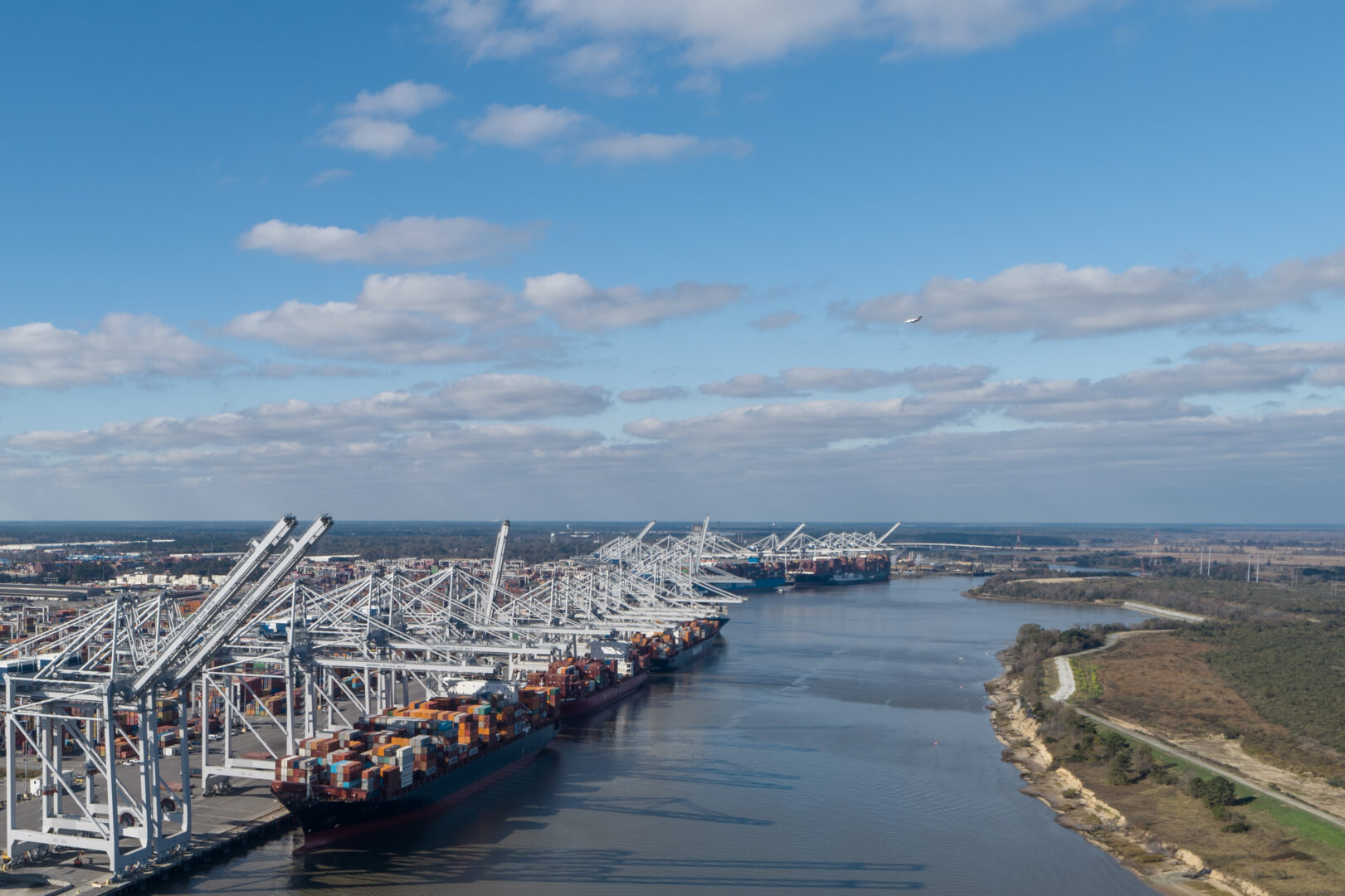
Georgia Ports welcomes U.S.-India trade agreement 06 February 2026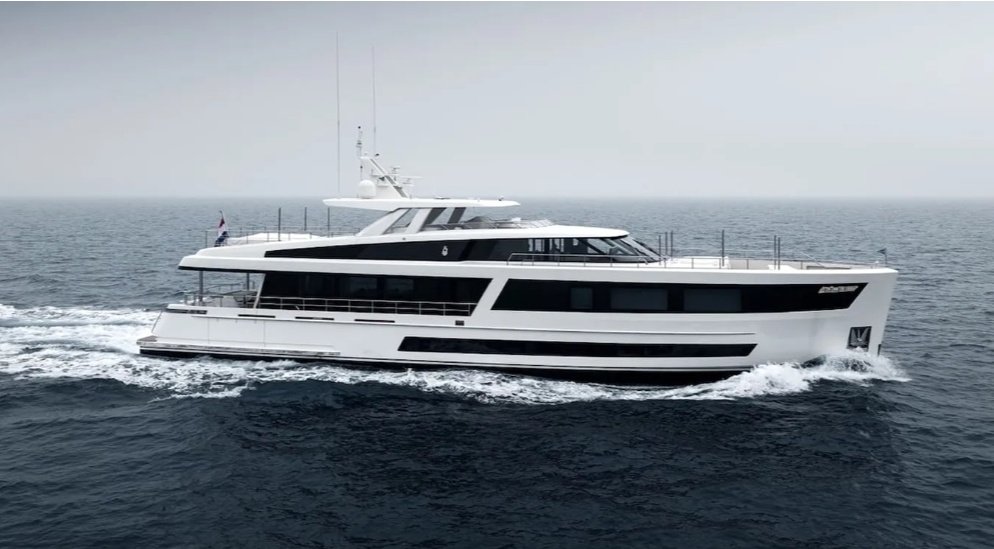
Yachts&Cruises
The 36-metre Van der Valk yacht Jangada is departing for the UK. 06 April 2026
Incidents
First container ship hit and set on fire in the Strait of Hormuz 05 March 2026
Marine Tech
Yang Ming names third LNG dual-fuel boxship in South Korea 29 June 2026
Shipping Lines
Report : Record-high oil tanker rates are the result of rising tensions between the US and Iran. 27 February 2026