Dry and liquid bulk remain the cornerstone of throughput where North Sea Port confirms its role as a bulk port.
Over the first nine months of 2025, the North Sea Port companies recorded 50.1 million tonnes of seaborne cargo throughput. Despite a modest 1% decline, transhipment in core segments like dry and liquid bulk remained on track. Britain remains the port’s biggest trading partner, helped by a strong increase in ro-ro transhipment, North Sea Port said.
Stable performance in challenging context

The positive trend of the first half of the year continues. "North Sea Port has maintained a stable position, despite challenging market conditions, an increasingly uneven playing field and increasing international competition within the industrial sector”, says Cas König, CEO of North Sea Port. "Diversification of operations and cargo flows at our predominantly bulk port, our strong trading relationship with the UK and growing trade with Canada have contributed to this stability. This is remarkable given geopolitical tensions such as the EU-US tariff war and the impact of EU sanctions against Russia."
Related : Canada’s port authorities : Accelerate infrastructure projects
Britain and Canada strengthen their trading position
Britain was already the port’s biggest trading partner in 2024 and during the first half of this year; the UK has maintained that position during the first nine months of this year. A striking statistic in this regard is a 12% increase in ro-ro transhipment. Canada climbed from third to second place, partly thanks to an increase in iron ore imports. The United States dropped to third place due to a slight decline in throughput.
Dry and liquid bulk remain the cornerstone of throughput
North Sea Port confirms its role as a bulk port. Dry bulk continues to account for more than half of all transhipment. Although coal throughput declined, this was offset by a sharp increase in iron ore throughput (+900,000 tons) for the steel sector. European plans to restrict imports of cheap steel may reinforce this trend.
Liquid bulk, accounting for over a quarter of transhipment, grew by 1.4%, mainly thanks to petroleum products. Handling of chemical base products declined, in line with difficult market conditions in the chemicals sector.
Related : Northern European ports will still Struggle with Congestion
Breakbulk throughput declined by 9%, half of which is attributed to the ‘machinery and equipment’ that entered our port last year for the construction of the caissons in Vlissingen, destined for Elia’s Energy Island in the North Sea. The remaining decrease is more seasonal in nature, due to lower volumes of fresh fruit, and wood pulp.
In contrast, container handling saw strong growth: +12% in tonnage and +25% in TEU. There was a notable increase in imports from the Caribbean, especially Panama, including products such as bananas.
Ro-ro transshipment was at the same level as in the first nine months of 2024 and 2023.
Decline in inland waterway transport
Nearly 60% of goods transport between the port and its hinterland is by inland navigation. In the first nine months of 2025, inland navigation throughput fell 4.9% to 45.9 million tons. Solid bulk and containers in particular experienced a decline, while general cargo showed a positive development.
Source : Press - Release
North Sea Port cargo ,first nine months of 2025 , Stable , Cas König, , bulk port ,Dry and liquid bulk ,Britain and Canada , Ro-ro transshipment
You Might Also Like

14 October 2025

10 October 2025
Recommendation News
Marine Cultures
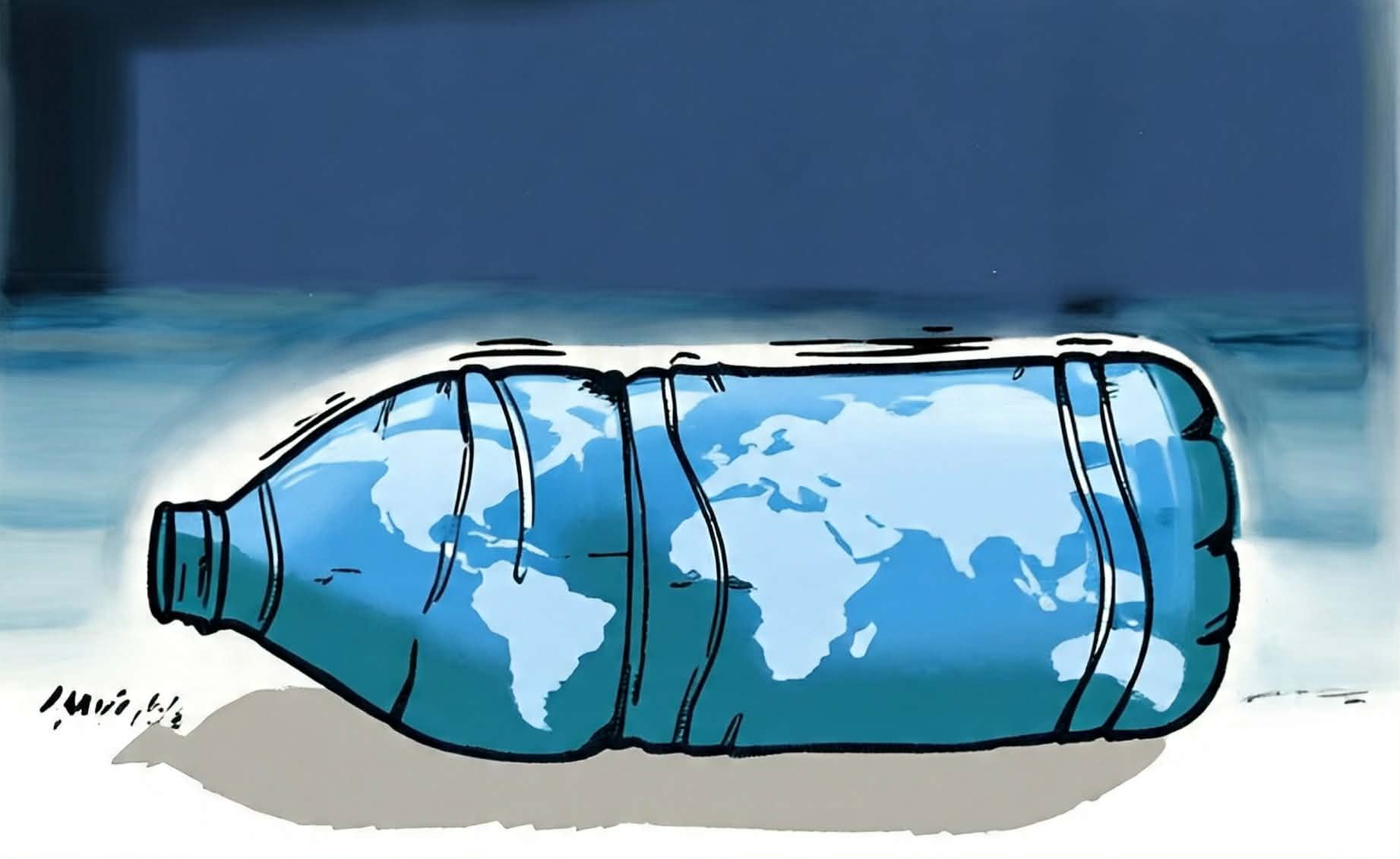
Cartons with Sakhraoui Tarek Caricaturiste 24 January 2026
Marine News Room
Exclusive : Dr. Mohammed Ismail :Global Maritime Transport Outlook for 2026 06 December 2025
Yachts&Cruises
Norwegian Cruise Line Holdings awarded Fincantieri a major order for three new ships. 17 February 2026

Marine Tech
IRS is set to expand into the European market starting with Hamburg. 02 September 2026