I hope with 2026 to have a Jordanian national maritime carrier for transporting national exports and imports
Maritime Tickers posed just three questions ( 3 What's ? ! ) to an elite persons in the maritime transport, ports, offshore, and logistics sectors. as a survey on the most important events of 2025 in the sector from his point of view, what events 2026 holds, and what he hopes will happen locally and globally in this vital strategic sector.
The other exclusive Interview with Dr. Khaled Almaaith- Former Director General of Jordanian Ports, Assistant Professor and Head of the Public Law Department, Aqaba University of Technology, Faculty of Law
What are the most important events of 2025 in the maritime transport sector?

Accelerated digital transformation and artificial intelligence in shipping and ports:
In 2025, we began to witness a broader application of technologies such as tracking container shipments via the Internet of Things (IoT), and AI systems for optimizing ship routes, predicting faults and maintenance, and better managing supply chains. This transformation helps increase efficiency, reduce costs, and decrease waiting times.
Trend towards green shipping and emission reduction:
With global pressure to reduce gas emissions and a push towards sustainable shipping, reliance on alternative fuels (such as LNG, or cleaner fuels) and the design of more efficient ships that reduce environmental impact increased.
Pressure on maritime trade growth and volatility in shipping costs:
According to 2025 data from UNCTAD, the global maritime shipping sector, although it transports over 80% of international trade, witnessed a slowdown in growth – with expectations for growth to decline to about 0.5% in 2025, down from 2.2% in 2024 – due to supply pressures, rising costs, fluctuations in energy markets, and higher operational expenses.
Initial emergence of semi-autonomous / semi-automated / smart ships in operation:
While fully autonomous ships remain a distant prospect, 2025 is witnessing an expansion in the commercial use of partially smart ships or systems that assist with navigation and control, with countries and companies focusing on building a legal and operational framework for these vessels.
What do I expect 2026 to bring for global shipping traffic?
.jpg)
Increased adoption of "green" shipping and stricter environmental regulations:
2026 is expected to see continued implementation of stricter environmental standards for ships and ports – pushing companies to update their fleets, use cleaner fuels, design more efficient ships to reduce emissions, and possibly expand "green shipping" systems.
Growth in automation, artificial intelligence, and digital transformation in ports and shipping:
We are likely to see an expansion of smart ports, including robotics, digital management systems, automatic container tracking, and data analytics tools for better planning, which improves shipping speed, safety, and reduces errors.
Search for alternative routes and greater distribution of ports – opportunities for new regions + improved regional roles:
With growth pressures and shipping costs, the importance of ports in regions such as the Middle East, the Mediterranean, and North Africa may increase, enhancing the role of countries like Jordan (if infrastructure is available) in shipping chains – as part of a regional logistics strategy relying on sea + land + multimodal transport.
Restructuring of global supply chains and reduction of lead times – focus on resilience and adaptation to crises:
After recent pressures (high costs, market volatility, maritime security, logistical crises), 2026 may see more flexible strategies, reliance on route diversification, multiple logistical warehouses, and cooperation between ports and logistical centers to mitigate any future disruptions.
What do I hope will be achieved in the fields of ports, maritime transport, and logistics – globally and for my country (Jordan / our region)?
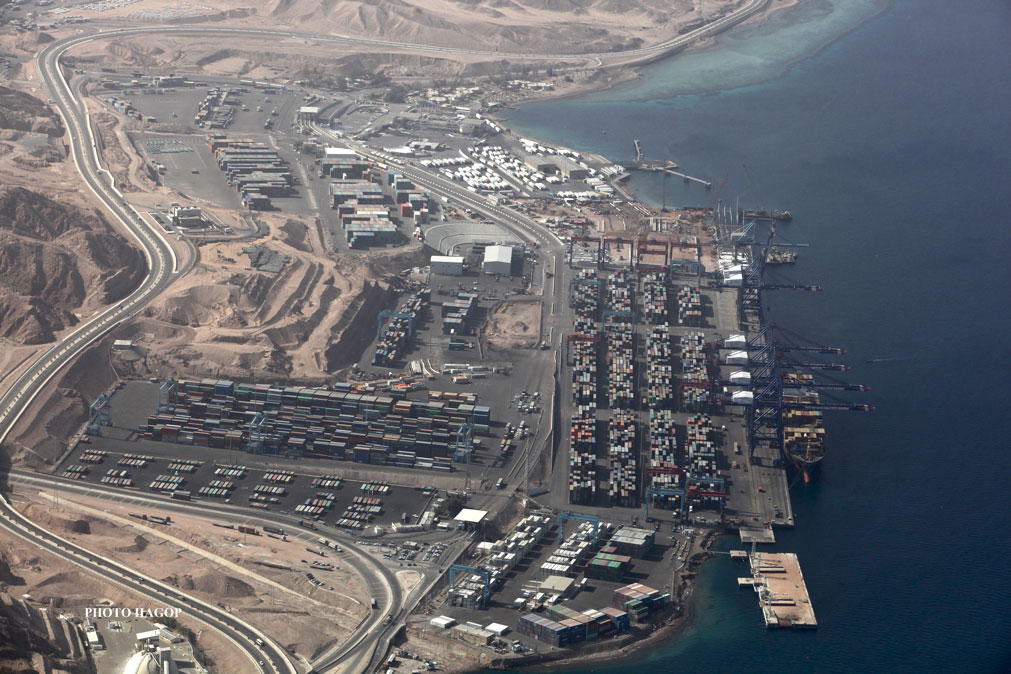
That our countries in the region adopt an integrated logistical vision that includes port development, connection with land and rail transport, and facilitation of exports and imports, so that ports become effective stations linking the Middle East with Europe and Asia – thereby enhancing our position as a logistical hub.
That maritime security and safety + environmental sustainability are prioritized:
Through applying strict environmental standards, encouraging clean ships, enhancing safety and monitoring capabilities, and using technology to reduce accidents and pollution.
To witness improvements in infrastructure, smart ports, digital services within ports – which reduces waiting times, lowers operational costs, and increases the efficiency and speed of local and international shipping.
That there is regional and international cooperation – between Arab countries, Mediterranean countries, with international organizations – to coordinate policies, facilitate trade, and enhance flexible and sustainable supply chains.
That logistics becomes a part of national economic development: meaning investment in ports, harbors, and maritime infrastructure, training personnel, regulating legislation, and supporting investors – which establishes a strong maritime sector that contributes to the economy and participates in global trade exchange.
To have a Jordanian national maritime carrier for transporting national exports and imports:
Launching a Jordanian national maritime carrier to transport exports and imports would be a strategic step to strengthen the economy and enhance Jordan's logistical security. Here is a set of key benefits and considerations:
Enhancing economic sovereignty: Controlling a major part of the supply chain reduces dependence on foreign companies and protects the economy from external fluctuations.
Reducing costs in the long term: After covering the initial investment, owning the fleet can lead to stabilized and reduced transport costs for Jordanian exporters and importers.
Supporting national exports: Providing a guaranteed and competitively priced transport solution stimulates the growth of export sectors (such as fertilizers, potash, phosphates, agricultural, and industrial products).
Revitalizing Aqaba Port: Increasing cargo movement through the port enhances its regional importance and attracts new investments in logistical infrastructure.
Creating job opportunities: Establishing and operating the national fleet requires jobs in navigation, engineering, management, and logistics services.
Enhancing food and strategic security: Ensuring the reliable transport of vital imports (such as grains and energy) during crises.
Related : Exclusive : Dr. Mohammed Ismail :Global Maritime Transport Outlook for 2026
Dr. Khaled Almaaith ,Jordanian Ports ,maritime transport sector , digital transformation , AI
You Might Also Like

Recommendation News

Yachts&Cruises
Saudi Red Sea Authority launches official guide for coastal tourism 09 January 2026
Yachts&Cruises
SilverCAT Charts New Course In The Caribbean 12 December 2025
Shipping Lines
Drewry: The World Container Index Decreased 1% This Week 08-2026 20 February 2026
Ports
DP World’s Callao terminal surpasses 2 million TEUs in a year 16 January 2026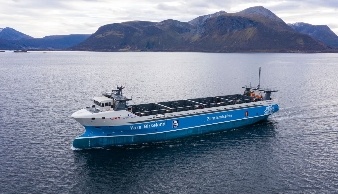
Marine Tech
IMO has released the first regulatory framework for autonomous vessels. 07 June 2026