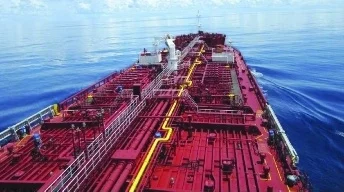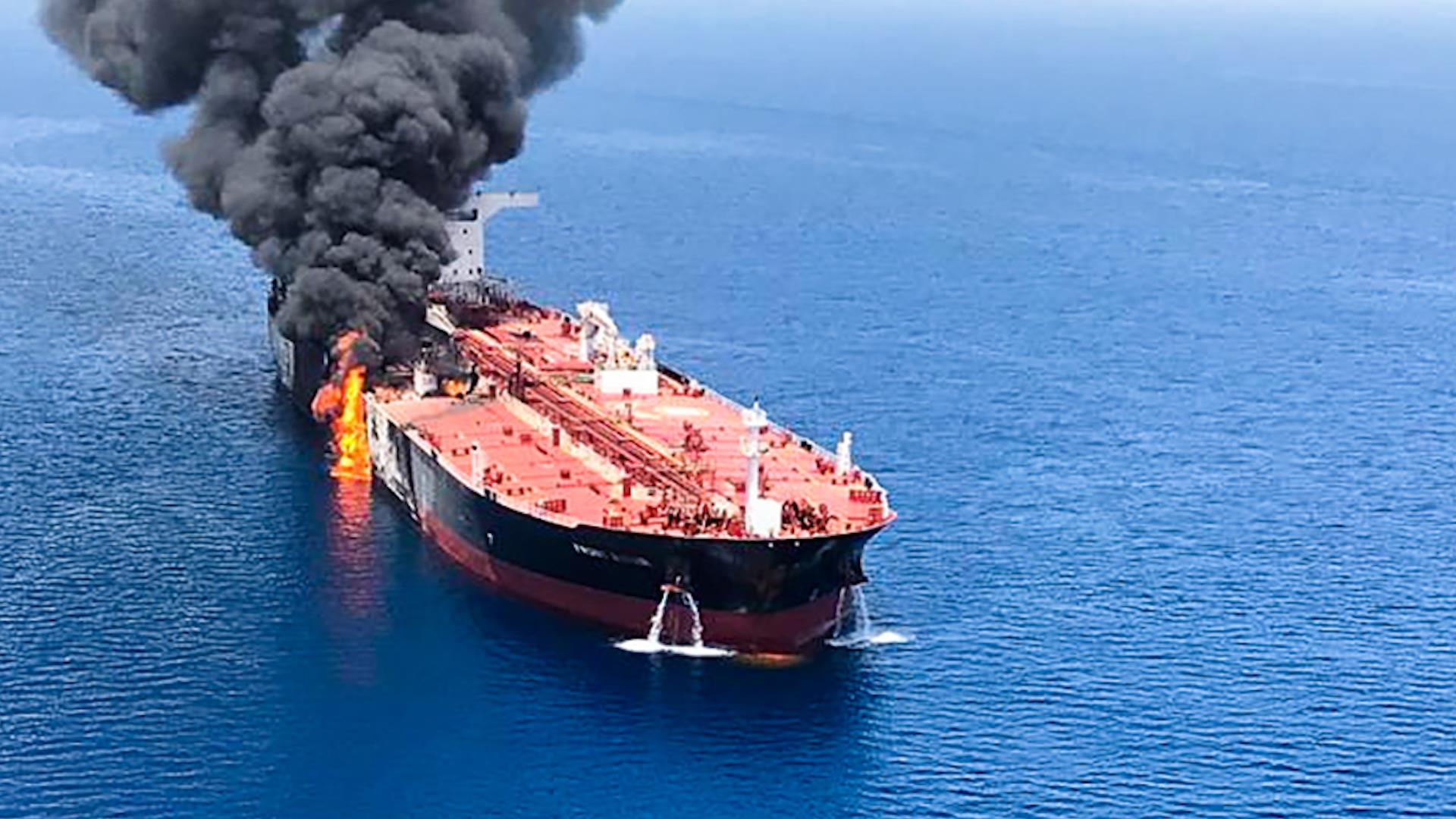
Greece told the nation's vessel owners to stay away from Iran's coast when possible.
Shipowners were directed to sail closer to the United Arab Emirates and Oman when transiting the Strait of Hormuz.
The advisories warned that the European Union's latest sanctions on Iran risked further inflaming tensions around Hormuz, the Persian Gulf and southern parts of the Red Sea.
Greece, home to the world’s largest oil tanker fleet, told the nation’s vessel owners to do what they can to stay away from Iran’s coast — a task that is all but impossible for those entering the Persian Gulf to collect cargoes of Middle East crude.
Guidelines have been issued by the Operations department of the Hellenic Coast Guard to Greek-flagged and Greek-owned ships sailing near the Strait of Hormuz, and data is revised every six to twelve hours. Ships of Greek interests make up twenty percent of the global fleet, which statistically means a large number of them is also at the affected area. At the same time, shipowners were directed to sail closer to the United Arab Emirates and Oman when transiting the Strait of Hormuz, according to two advisories seen by Bloomberg. They were issued by the Greek shipping ministry to local shipowner associations on Jan. 27 and 29.
Trump's threats
The advisories said more warships were operating near the strait and warned that President Trump's threats to hit Iran In addition to the European Union’s latest sanctions on Iran, risked further inflaming tensions around Hormuz, the Persian Gulf and southern parts of the Red Sea.
Warnings from the Minister of maritime affairs
It is noteworthy that, speaking to the Greek public broadcaster, ERT, the minister of maritime affairs and insular policy, Vasilis Kikilias, warned before of far-reaching geopolitical consequences, which they were sent to the Hellenic Chamber of Shipping, the Union of Greek Shipowners and the Hellenic Shortsea Shipowners Association. A spokesman for Greece’s shipping ministry confirmed the notices had been sent.
The global shipping community
While Greek-operated ships are among the world's largest fleets of tankers and are pivotal for trade across the Black Sea region, whose waters are shared by Bulgaria, Georgia, Romania and Turkey, as well as warring Russia and Ukraine Meanwhile the global shipping community and oil traders are closely watching developments in the Middle East after the US dispatched an aircraft-carrier strike group to the region. President Donald Trump said he hoped he would not have to use it against Iran, which monitoring groups have accused of killing thousands of people during recent protests
The Strait of Hormuz
The Strait of Hormuz is critical to the global oil supply, with roughly a quarter of the world’s seaborne crude passing through the corridor. Much of that oil is transported on Greek-owned vessels. Greece is the biggest tanker owner by tonnage, according to Clarkson Research Services, a unit of the world’s largest shipbroker.
It provides the only sea passage from the Persian Gulf to the open ocean and is one of the world's most strategically important choke points It has been so for centuries, with vast hinterlands rich in luxury trade goods, but no easy access to lucrative trading ports. During 2023–2025, 20% of the world's liquefied natural gas and 25% of seaborne oil trade passes through the strait annually. As of June 2025, the strait has never been closed during Middle East conflicts, unlike the Straits of Tiran, though Iran threatens to close the strait and preparations to mine it have been undertaken
#Strait of Hormuz #Iran #sanctions #Trump's threats #Greece #Persian Gulf #Shipowners# Vasilis Kikilias
You Might Also Like
02 February 2026

Recommendation News

Marine News Room
After a 14-year, ESCWA holds its meeting in Syria... 27 November 2025
Marine News Room
IMO : France signs Jeddah Amendment to combat illicit maritime activity 13 November 2025
Yachts&Cruises
South-East Asia in Focus: Gulf Craft Builds on Its Regional Legacy 10 April 2026
Marine Tech
Wärtsilä Lifecycle Agreement ensures reliable performance and efficiency for 12 new LNG carriers 16 January 2026
Shipping Lines
Eni returns to energy and commodity trading in a joint venture with Mercuria 02 July 2026