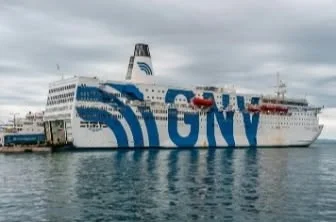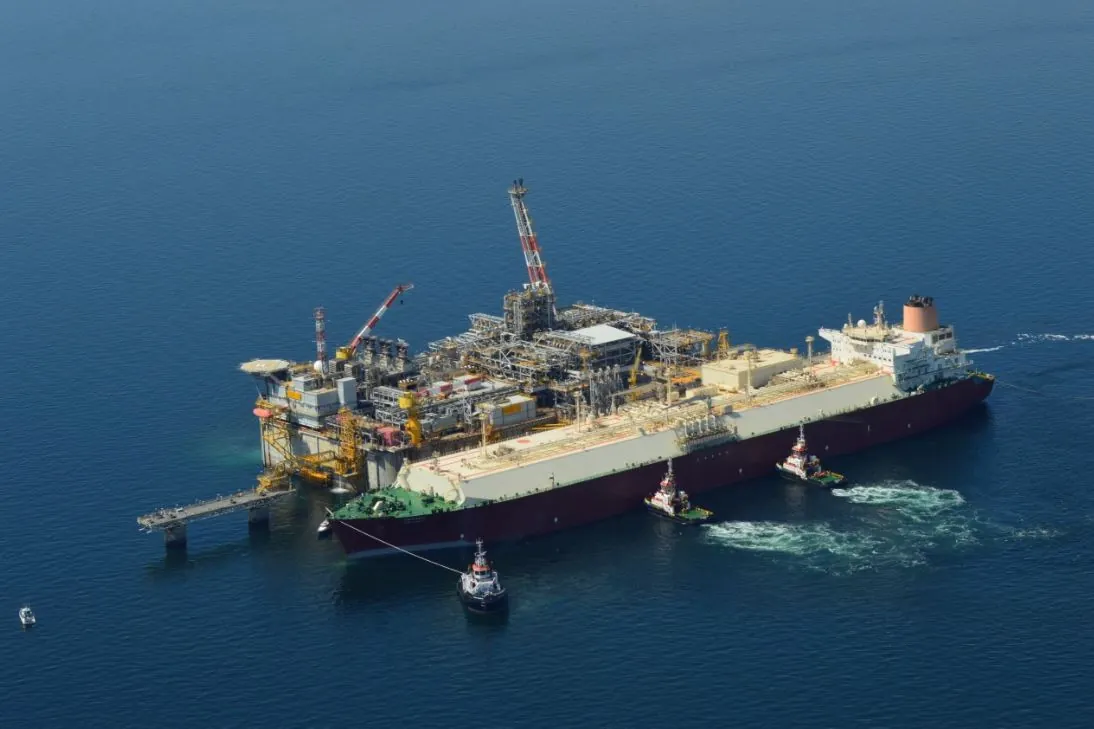
Qatar is Italy's main source of natural gas, while the country's oil imports from the Persian Gulf are not as significant.
The Iranian Revolutionary Guard claims that the Strait of Hormuz, a strategic location between the Persian Gulf and the Gulf of Oman, is no longer safe due to attacks by the U.S. and Israel. The Guard has closed the strait to maritime transit. This was reported by local media. The Persian Gulf had already been advised to be avoided by commercial vessels due to the US and Israeli attack on Iran.
The Strait of Hormuz is one of the most important strategic locations for maritime trade, especially energy trade. It is located between Iran (north) and Oman (south) and connects the Persian Gulf with the Gulf of Oman, and thus the Indian Ocean.
The Strait's importance
The Strait's importance to maritime trade is evident, given that approximately 20% of the world's daily oil consumption passes through it. It is the primary export route for major producers, including Saudi Arabia, Iraq, Kuwait, the United Arab Emirates, and Qatar. A significant portion of the world's liquefied natural gas (LNG) also transits through the strait. Qatar, one of the world's largest LNG exporters, depends almost entirely on this passage.
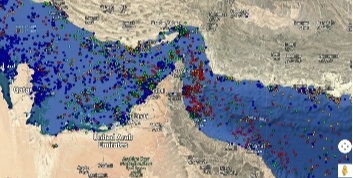
liquid bulk and gas traffic,
In addition to liquid bulk and gas traffic, this narrow stretch of sea, which is approximately 33 km wide, is also relied on for container traffic, general cargo, and project cargo to and from the Persian Gulf. A blockage of the Strait of Hormuz could lead to a sudden increase in oil and LNG prices, thus placing significant stress on global energy markets.
Middle Eastern countries account for a significant share of Italy's oil imports
Although sources are not exclusively from the Persian Gulf, Middle Eastern countries account for a significant share of Italy's oil imports. Recent data shows that Libya and Azerbaijan are among the main suppliers, with the latter being Italy's main European supplier in recent years. Saudi Arabia also exports crude oil to Italy, valued at over $2 billion in 2024. However, Saudi Arabia represents a smaller share compared to suppliers such as Azerbaijan and Libya. Other Gulf suppliers, such as Kuwait, the United Arab Emirates, Iraq, and Oman, are present but have smaller or less significant shares in the most recent trade data. Therefore, Italy's share of crude oil from the Persian Gulf is significant, though not dominant.
Liquefied natural gas (LNG)
The situation is different for liquefied natural gas (LNG). From 2023 to 2024, Qatar was Italy's primary LNG supplier, with a market share far exceeding that of the United States or Algeria. Therefore, the closure of the Strait of Hormuz would greatly affect the amount of gas arriving by ship to Italy's regasification plants. While other supplies arrive via pipelines, particularly from Azerbaijan via TAP, dependence on Persian Gulf countries remains significant.
source : Italy Media
Related : Oil shipping through the Strait of Hormuz has been suspended.
#Persian Gulf # Gulf of Oman #Strait of Hormuz# Indian Ocean#U.S.#Qatar #Saudi Arabia #A blockage #global maritime traffic
You Might Also Like

07 November 2025
27 June 2026
Recommendation News

Marine News Room
Exclusive with Gavin Allwright Secretary General of IWSA ( 2- 3 ) 20 October 2025
Marine Tech
Amasus doubles down on bound4blue eSAILs® 17 December 2025
Incidents
The tragedy of Shadow ship discovered adrift off the Baltic coast 16 October 2025
Incidents
ReCAAP: Six Vessels Targeted in the Singapore Strait 17 October 2025
Ports
China threatens Panama after top court voids CK Hutchison canal port concession 04 February 2026