Around 20,000 seafarers remain stranded in the Persian Gulf, on board ships under heightened risk and considerable mental strain
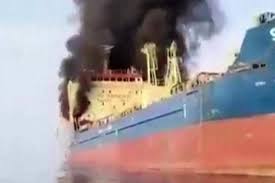
In the week since Iran blockaded the Strait of Hormuz in retaliation for US-Israeli strikes, at least 10 vessels have come under attack in or near the waterway, nearly halting commercial traffic through the world's most critical oil chokepoint and killing at least seven crew members.
According to analysis firm Kpler, which operates the MarineTraffic tracking platform, the campaign of drone and missile strikes claimed by Iran's Revolutionary Guards has driven tanker traffic through the Strait of Hormuz down by 90% in just one week. Between Monday and Friday, only nine commercial ships, including tankers, cargo vessels, and container ships, were detected crossing the Strait of Hormuz, with some intermittently masking their position, according to MarineTraffic data analyzed by Agence France-Presse (AFP).
The Strait of Hormuz a slender channel
The Strait, a slender channel between Iran and Oman linking the Persian Gulf to the open ocean, generally transports around 20% of the globe's oil and liquefied natural gas reserves. The near-total shutdown of the strait since the outbreak of hostilities on February 28 represents one of the most severe disruptions to global energy flows in decades.
(IMO) listed nine separate attacks on its website
Meanwhile, the International Maritime Organization (IMO) listed nine separate attacks on its website on Friday, including four incidents that killed seven people in one week. Britain's UKMTO maritime security agency issued around ten alerts for attacks and warnings of suspicious activity, but released few details on the vessels involved.( Note : Upgrade :UKMTO has received 13 reports of incidents affecting vessels operating in and around the Arabian Gulf, Strait of Hormuz (SOH) and Gulf of Oman. from 28 February 2026 - 9 March 2026. )
The International Maritime Organization
Notably, the Secretary-General of the International Maritime Organization, Mr. Arsenio Dominguez, issued the following statement: “I am alarmed and deeply saddened to hear of a deadly attack on a vessel in the Strait of Hormuz on 6 March 2026, in which at least four seafarers have reportedly lost their lives and three severely injured.
He added : "Around 20,000 seafarers remain stranded in the Persian Gulf, on board ships under heightened risk and considerable mental strain. This is unacceptable and unsustainable. All parties and stakeholders have an obligation to take necessary measures to ensure the protection of seafarers, including their rights and well-being, and the freedom of navigation, in accordance with international law.”
The deadliest single incident
The violent events were a testament to the brutality of the military action and the mutual escalation between the three parties: Iran, Israel, and the United States On March 6, the deadliest single incident occurred, claiming the lives of four individuals in a strike on the Mussafah 2. On Sunday, Indonesia revealed that a vessel matching the Mussafah 2's characteristics and last known position had sunk two days earlier, though with a different casualty toll: Jakarta reported three missing Indonesian crew members, one injured Indonesian survivor, and four survivors of other nationalities.
Accident of On March 2
On March 2, three more deadly attacks took place, resulting in one fatality each in the attacks on the Skylight, MKD Vyom, and Stena Imperative. The Hercules Star was also hit that day. Between March 3 and 5, four more vessels were attacked: the Libra Trader, Gold Oak, Safeen Prestige, and Sonangol Namibe.
Statement of Vanguard, a maritime security
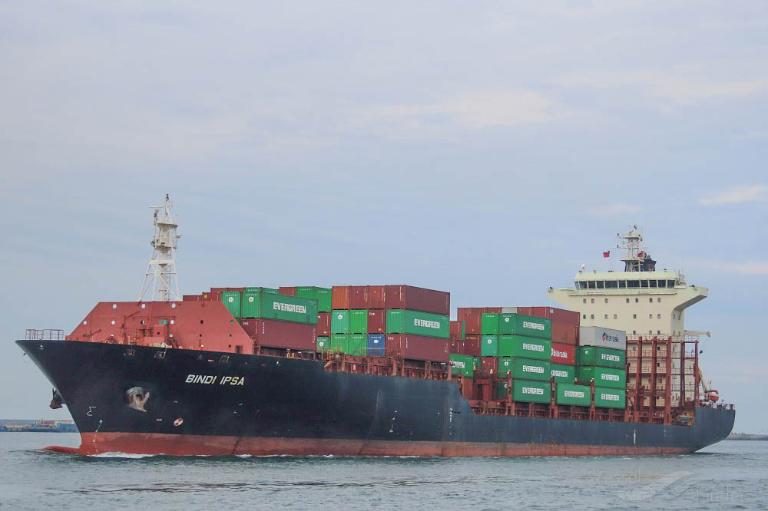
Vanguard, a maritime security firm, reported that the Mussafah 2 (IMO: 9522051 -sailing under the flag of UNITED ARAB EMIRATES ) was hit by two missiles while attempting to assist the container ship Safeen Prestige,(IMO 9593517, MMSI 249797000 -sailing under the flag of Malta. ) which had been struck two days earlier. The targeting of rescue operations prompted a warning from the Joint Maritime Information Centre, a Western naval coalition body, on Saturday. The statement said, "Vessels providing assistance or salvage operations to previously targeted vessels may also face an elevated risk of follow-on strikes."
The JMIC determined
The JMIC determined that the pattern of attacks on anchored vessels, drifting ships, and assistance vessels indicates "a campaign focused on creating operational uncertainty and deterring routine commercial movement rather than a sustained attempt to sink vessels."
It remains difficult to confirm individual incidents. Iran's Revolutionary Guards claim responsibility for drone and missile attacks, but these claims are not always verified by independent sources. In some cases, the attacks are confirmed only after several days have passed, and the vessels involved are not always identified. Casualty tolls can also vary between sources.
Related : A $20 billion US DFC plan for maritime reinsurance in the Gulf has been announced.
Source : Agencies
#The JMIC #Mussafah 2 #ship Safeen Prestige,#The Hercules Star #Arsenio Dominguez #IMO #UKMTO #(AFP) #MarineTraffic data #Kpler #US-Israeli strikes #Hormuz
You Might Also Like
Recommendation News

Yachts&Cruises
ORYX 37LX Cross Cabin Cruiser Premiers At Abu -Dhabi International Boat Show 2025 21 November 2025
Marine News Room
Exclusive : Dr. Mohammed Ismail :Global Maritime Transport Outlook for 2026 06 December 2025
Shipping Lines
Italy : Reappointed Gloria Dari as president for the three-year of the Spedimar 12 December 2025
Incidents
The Vast Coral oil tanker was detained in the port of Genoa. 22 March 2026