Iran has already sent at least 11.7 million barrels of crude oil bound for China through the Strait of Hormuz since the war began.
28 Indian-flagged vessels, carrying 778 Indian seafarers were operating west and east of the Strait
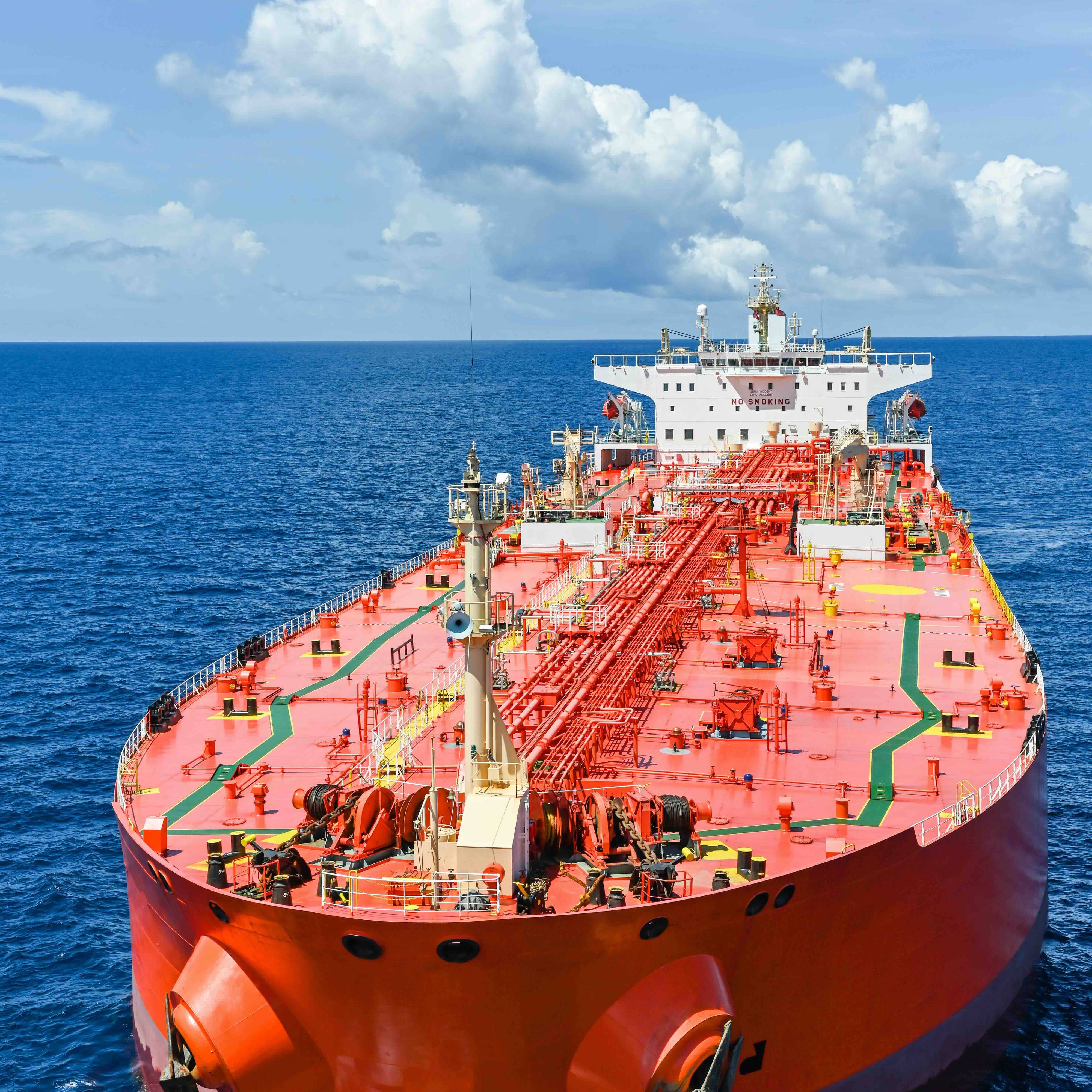
Despite the war launched by the United States and Israel effectively closing this important waterway to all global shipping, Iran is reportedly sending large quantities of crude oil to the Far East from the Persian Gulf. Samir Madani, the co-founder of TankerTrackers, recently told CNBC that Iran has already sent at least 11.7 million barrels of crude oil bound for China through the Strait of Hormuz since the war began.
TankerTrackers uses satellite imagery to monitor ship movements, enabling it to observe vessels that would otherwise go unnoticed if their satellite tracking systems were deactivated. Many vessels have reportedly "disappeared" from radar after Tehran threatened to attack any vessel attempting to pass through the waterway
Since the conflict began,
.Since the conflict began, maritime intelligence provider Kpler estimates that approximately 12 million barrels of crude oil have passed through the Strait of Hormuz. "China has been the main buyer of Iranian crude in recent years, so a significant portion of these barrels could ultimately end up there," said Nhway Khin Soe, a crude oil analyst at Kpler. He added that confirming the final destination of these ships has become increasingly difficult.
Related :Hormuz stoppage will impact cost of living according to UNCTAD
The Kharg Island terminal,
The country's main oil export hub, the Kharg Island terminal, is located about 15 miles off the coast of mainland Iran. Before tankers pass through the Strait of Hormuz, the terminal handles approximately 90% of Iran's crude oil exports. Iran has also recently resumed loading tankers at the Jask oil and gas terminal along the Gulf of Oman, south of the Strait of Hormuz, which could increase crude oil transport capacity. TankerTrackers reports that an Iranian vessel was loading 2 million barrels of crude oil, marking only the fifth such cargo in the last five years.
India, the world's third-largest oil consumer
However, China isn't the only privileged partner. According to an Indian government source, Iran will also allow Indian-flagged oil tankers to pass through the Strait of Hormuz. However, another Iranian source outside the country denied that such an agreement has been reached, according to Reuters. India, the world's third-largest oil consumer, said the two countries' foreign ministers have held three talks in recent days. The last one, which took place this week, focused on "issues related to shipping safety and India's energy security." Meanwhile, New Delhi is seeking alternatives, such as purchasing more oil from Russia.
The arrival of the Suezmax tanker Shenlong at the port of Mumbai

Related : Lloyd's seeks solution in Persian Gulf: "A thousand ships are at a standstill."
The arrival of the Suezmax tanker Shenlong at the port of Mumbai, loaded with Saudi crude, marks a significant development in the ongoing geopolitical landscape. According to LSEG data, the vessel's arrival represents the first crude-carrying vessel to reach India from the Middle East since the outbreak of the war between Iran and the United States and Israel in late February. The customer is the state-owned oil company Bharat Petroleum.
28 Indian-flagged vessels, passed through the Hormuz.
According to Reuters, the same source reported that two more foreign-flagged oil tankers believed to be bound for India recently passed through the Strait of Hormuz. Iran granted the Indian-flagged vessels safe passage after the foreign ministers of both countries spoke by telephone Tuesday evening. On Wednesday, India announced that 28 Indian-flagged vessels, carrying 778 Indian sailors, were operating west and east of the Strait. India also granted safe harbor to Iranian sailors from a ship that docked amid fears of war. New Delhi allowed three Iranian ships to dock following a naval exercise in the Bay of Bengal. However, one was later sunk by a U.S. submarine in international waters, and another requested assistance from Sri Lanka.
The Persian Gulf is a net importer
The Persian Gulf is structurally a net importer, so these deep-sea shipping lines typically load empty containers for repositioning in Asian production centers. By blocking over 200,000 TEUs of capacity simultaneously, they deprive Asian export centers of equipment, which could lead to a shortage of available empty containers in the Far East.
Agencies
#The Persian Gulf #tanker Shenlong #port of Mumbai# TankerTrackers #Samir Madani #China #Strait of Hormuz #Nhway Khin So #Kpler#Reuters
You Might Also Like

19 October 2025

25 November 2025
Recommendation News

Marine Tech
Bangladesh is accelerating its efforts to tackle greenhouse gas (GHG) emissions from shipping. 21 June 2026
Shipping Lines
Eni launches qualification system for offshore maritime logistics 13 January 2026
Marine Tech
At the ABS North America Regional Committee Meeting : The Revitalization of US Shipbuilding 01 November 2025
Ports
Syria to upgrade phosphate quay at Tartous Port in modernization drive 21 May 2026
Yachts&Cruises
The cruise ship order book rises to 77 units 09 February 2026