Maritime security risks persist in evolving forms, including spillovers from regional conflicts, illicit trafficking, and potential links to broader transnational organized crime networks.
Recent geopolitical tensions, have made the Strait of Hormuz a focal point for security concerns
The lack of viable insurance cover has functionally paralyzed traditional merchant shipping in the Strait of Hormuz.
IMO is not an enforcement agency and cannot stop a state from acting, but it plays a critical role in defining the standards,
By : Magdy Sadek
In 2023, AMB Nancy Karigithu became the first woman and the first African to enter the race for the position of Secretary-General of IMO ultimately losing by a narrow margin. Maritime Tickers conducted an exclusive interview with the AMB Nancy Karigithu who addressed several urgent maritime issues currently facing the global maritime community .A dialogue with a taste of challenge !!
Given your expertise in in maritime governance, how would you evaluate the escalating risk in the Strait of Hormuz compared to the Gulf of Aden Specifically, what implications does this have for global energy security and insurance costs for merchant shipping navigating these high-tension zones?
The Gulf of Aden links the Indian Ocean with the Suez Canal and the Mediterranean Sea, forming one of the world’s most vital maritime corridors. It provides the shortest sea route for vessels traveling between Asia, Europe, and the Americas, with an estimated 20,000–22,000 ships transiting the area annually. As a key segment of the main trade artery connecting Europe, the Middle East, and Asia, the Gulf of Aden accounts for roughly 10–12 percent of global seaborne trade and a significant share of energy shipments moving toward European and North American markets.
There are limited viable alternatives to this route and diverting vessels around the Cape of Good Hope adds considerable distance, time, and cost to global shipping.

Piracy off the coast of Somalia
Historically, piracy off the coast of Somalia, especially during the late 2000s and early 2010s, highlighted the impact of regional instability and weak governance. At its peak, Somali piracy posed a major threat to international shipping, with attacks becoming more organized, violent, and technologically advanced. However, coordinated international naval patrols, improved onboard security measures, and regional capacity-building have significantly reduced successful hijackings in recent years.
Maritime security risks persist in evolving forms
Despite this progress, maritime security risks persist in evolving forms, including spillovers from regional conflicts, illicit trafficking, and potential links to broader transnational organized crime networks. These ongoing challenges continue to pose risks to trade flows and socio-economic stability in the region, reinforcing the Gulf of Aden’s enduring strategic and security significance.
So the primary threat in the Gulf of Aden has been asymmetric Houthi threat and the resurgence of piracy. While the situation has been volatile and characterized with high disruption of shipping, some joint naval-escorted traffic has ameliorated the impact and ensured continuity of trade.
Hormuz one of the most critical maritime chokepoints in the world

On the other hand, the Strait of Hormuz connects the Persian Gulf with the Gulf of Oman and the wider Indian Ocean, forming one of the most critical maritime chokepoints in the world. It serves as the primary export route for oil and gas from major producers such as Saudi Arabia, Iran, Iraq, Kuwait, and the United Arab Emirates. Approximately 20–21 million barrels of oil pass through the strait daily, nearly one-fifth of global petroleum consumption, along with a significant share of the world’s liquefied natural gas, particularly from Qatar. This makes the Strait responsible for roughly 20–30 percent of global seaborne oil trade.
Related : An exclusive interview with Nor-Shipping CEO Sidsel Norvik for Maritime Tickers.
The waterway is very narrow, only about 21 nautical miles wide at its narrowest point, with designated shipping lanes just a few miles across, making it highly vulnerable to disruption. There are very limited alternative routes; while pipelines exist (such as those bypassing the Strait through Saudi Arabia and the UAE), they cannot fully offset the volume transported by sea. As a result, any instability in the region has immediate global economic implications.
Recent geopolitical tensions
Recent geopolitical tensions, have made the Strait of Hormuz a focal point for security concerns. Threats have included the harassment of commercial vessels, seizure of tankers, and the potential mining of sea lanes. Unlike the piracy seen in the Gulf of Aden, risks in the Strait of Hormuz are more closely tied to state-based conflict, military posturing, and strategic coercion. These dynamics heighten insurance costs, disrupt supply chains, and introduce volatility into global energy markets, underscoring the Strait’s unmatched strategic importance. A comparison of the risk profiles of the Strait of Hormuz and the Gulf of Aden as things now stand, reveals a stark difference in both the nature of the threats as well as the and the scale of global impact.
IEA’s actions at stabilizing prices
The current “closure” of the Strait of Hormuz is the most severe threat to energy supply and security in decades. The market is currently facing a massive structural deficit, with a strong signal having already been sent by the International Energy Agency’s actions aimed at stabilizing prices through authorizing the release of 400 million barrels from emergency reserves. Approximately 20% of global oil and 20% of seaborne LNG typically pass through the Strait of Hormuz annually. Other than the Hormuz Strait itself and the vessels’ exposure, offshore energy infrastructure and northern considered being also considered as targets has further complicated matters, through discouraging transfer operations near Iranian waters, further reducing the energy supply.
Insurance & shipping costs to rewriting of war-risk coverage,
The above happenings have severely impacted insurance & shipping costs leading to an almost a complete rewriting of war-risk coverage, with war-risk premiums surging to exponential rates, in some cases by over 1000%. For example, premiums for a Very Large Crude Carrier (VLCC) valued at $100M, can now attract up to $2M to $3M for a single voyage, up from roughly $250,000 before the March 2026 escalation of hostilities. There are also cases whereby underwriters have invoked 7-day war clauses, to cancel annual policies and working on voyage-by-voyage "buy-back" options that have proved to be prohibitively expensive for most operators. This surge in costs, is fueling global inflationary pressures as cargo is rerouted or simply idled in safe-haven ports like Lamu and Fujairah
Paralyzed traditional merchant shipping in the Hormuz.
It is instructive to note that the current closure of Hormuz is driven more by risk appetite and insurance refusal/hikes than by a “legal” blockade. While some "dark vessels", (those with AIS off), still attempt the transit, the lack of viable insurance cover has functionally paralyzed traditional merchant shipping in the Strait of Hormuz.
Historically, maritime insecurity threats in the Gulf of Aden have been dominated by non-state threats (e.g., Somali piracy, Houthi harassment). The risks are however localized, episodic, and at most, insurable. Over time and with experience the industry has produced well-developed mitigation tools, like the BMP (Best Management Practices), Naval escorts (e.g., EUNAVFOR) and having armed guards on board transiting ships. As a result of those combined measures risk is manageable and the costs are priced into operations
In contrast to the Gulf of Aden the current escalation of hostilities have turned the Strait of Hormuz into a state-centric, high-intensity conflict zone. The missile and drone strikes on vessels, mining threats as well as area denial tactics through selective access control have resulted in an entire collapse of, or at times halted traffic. As a result the risk is systemic, targeted and in some cases, uninsurable.

What are the legal implications for the international community of vessel seizures and interference in international waters, given the complex issues involved? In what ways can the International Maritime Organization (IMO) contribute to reinforcing the "right of innocent passage" in the face of state-led tensions that could potentially take precedence over maritime considerations?
Sixty (60) % of the oceans lie outside the borders of any single nation’s jurisdiction, which is the reason that the United Nations and its specialized Agency, the International Maritime Organization (IMO), have for decades, laid the basis for strong regional and international cooperation through conventions.
In this regard the United Nations Convention on the Law of the Sea (UNCLOS), that was adopted in 1982, lays down a comprehensive regime of law and order in the world's oceans and seas by establishing rules governing all uses of the oceans and their resources. UNCLOS also lays a structure for state authority in maritime areas, while the IMO bears both the mandate and competence to establish international rules and standards for safety, security and environmental performance of international shipping.
IMO is not an enforcement agency
IMO is not an enforcement agency and cannot stop a state from acting, but it plays a critical role in defining the standards, and provides a platform for dialogue and de-escalation of conflict. The legal implications surrounding vessel seizures and interference in international waters are profound and intricate, engaging various components and principles of international law, such as the UNCLOS, customary international law, and state sovereignty.
The legal implications of vessel seizures
In this context the legal implications of vessel seizures and interference point to a violation of international law. The act of seizing vessels in international waters is a breach of UNCLOS, which explicitly upholds the right of innocent passage for ships traversing territorial seas. Such violations trigger diplomatic tensions and could be categorized as acts of aggression or piracy, depending on the context. Interference in international waters jeopardizes maritime security and the principle of freedom of navigation, both vital for global trade and economic well-being, scenarios which might amplify military presence and heighten regional tensions.
The "right of innocent passage"
Indeed, States that perpetrate unlawful seizures could face demands for reparations or result in sanctions from other nations or international institutions.
The IMO plays a crucial role in advocating for the "right of innocent passage" through a range of proactive measures including guidelines, dialogue facilitation, compliance promotion, oversight, collaborative efforts, and capability enhancement. Actions may include:-
a. facilitating dialogue by providing a forum for member states to ventilate through constructive discussions on maritime security issues thus preemptively addressing and de-escalating potential conflicts.
b. promoting compliance and strict adherence to UNCLOS through initiatives aimed at enhancing states' understanding and implementation of their international legal obligations.
c. collaboration with other international entities like the United Nations and regional security organizations can lead to a holistic approach in tackling maritime security challenges.
d. assisting member states in fortifying their maritime governance and law enforcement capabilities, ensuring they can effectively manage their territorial waters while respecting international maritime norms.
e. formulating and disseminating clear guidelines regarding states’ rights and responsibilities concerning innocent passage.
In conclusion, the legal ramifications of vessel seizures in international waters are complex and can significantly influence international relations and maritime security.
Throughout your pioneering career in the maritime sector, you have navigated many 'uncharted waters'. In your view, what unique perspectives do women in maritime diplomacy bring to de-escalating conflicts involving complex naval and commercial interest ?
A bit of perspective here. throughout my career in the maritime sector, I have indeed found myself navigating many “uncharted waters.” By the time I took over the reins as head of Kenya Maritime Authority, I had already gained wide experience assisting Governments in Sub-Sahara Africa in setting up and strengthening their national maritime administrations. I had also served as a Maritime Transport Expert at the African Union Commission. I therefore felt very well grounded in my technical knowledge and expertise on how to run a national maritime administration. On my appointment however, the resistance was immediate, loud and fierce, causing massive ripples. It was said that I was a female, with no nautical experience, an outsider – (a lawyer, not a ship captain). In a live media interview, a male caller me that I didn't the skills to be employed even as a “ship's spanner boy.”
Maritime Diplomacy
I learned very quickly maritime diplomacy often sits at the intersection of national security, commercial interests, and international law, and that makes conflict situations particularly delicate. It also requires a multiplicity of stake-holders to work seamlessly together - governments, industry, international organizations, and regional partners. Women are often particularly effective at building the kind of coalitions that the sector need – consensus building, and ensuring that every voice is heard - especially those that may otherwise be overlooked.
Our a strength that comes from navigating traditionally male
In my experience, there is a strength that comes from navigating traditionally male-dominated spaces, an experience that fosters resilience, adaptability, and the ability to influence outcomes through negotiation and persuasion rather than confrontation, all essential skills in preventing maritime disputes from escalating into conflict. Indeed it can be said that women in maritime diplomacy often bring perspectives that are especially valuable when it comes to de-escalating tensions. First, Women tend to look beyond the immediate confrontation and ask: what do all the parties stand to lose if tensions escalate? Whether it is a naval stand-off, disruption of shipping routes, or uncertainty for trade, no country truly benefits from instability at sea. And Women can often bring a strong instinct for reframing these situations around shared interests—safe navigation, stable supply chains, and the continued flow of commerce.
Working in what has historically been a male-dominated sector
Finally, working in what has historically been a male-dominated sector has required me, as I’m sure also for many other women, to cultivate resilience, adaptability, and strategic patience. These qualities often translate into an approach that prioritizes negotiation, trust-building, and long-term stability over short-term victories.
Of course, these are not universal traits, nor are they exclusive. But in my experience, these perspectives contribute meaningfully to a more balanced, pragmatic, and ultimately more peaceful approach to maritime diplomacy. And in a domain where a single miscalculation at sea can have global consequences, such approaches are not just valuable—they are indispensable.
How can African nations better insulate their economies from the volatility caused by Middle Eastern maritime conflicts? What role do you think your country should play in shaping Kenya's maritime policy? Do you think there is a need for a stronger, more unified African voice within the IMO in light of these global security disruptions?
Disruptions in chokepoints like the Red Sea or Strait of Hormuz quickly ripple into African economies through fuel prices, freight rates, and insurance premiums. African states can reduce this exposure in several practical ways:
i) reducing vulnerability (when key routes become unstable), by diversifying trade corridors and logistics . Investing in multiple port gateways and inland corridors (including rail and road integration), as well as strengthening west–east connectivity will reduce overreliance on any single maritime route;
ii) building strategic energy and commodity buffers;
iii) establishing strategic petroleum reserves; and
iv) diversifying energy sources, in particular, renewables.
The above measures would help cushion short-term shocks from shipping disruptions or price spikes.
Strengthen regional trade systems
Critical as well is to strengthen regional trade systems through in this case, the African Continental Free Trade Area. This will increase intra-African trade and catalyze the development of regional value chains as opposed to import dependence. Indeed intra-Africa trade will Africa’s exposure to distant conflicts and the more Africa trades within itself, the less external maritime shocks will impact her development plans.
Invest in maritime domain awareness and security
Africa must also invest in maritime domain awareness and security through strengthened coastal surveillance and port security, as well as coordination through regional mechanisms While African states can’t control outside the continent conflicts, they can ensure their waters remain stable and trusted, keeping shipping flowing.It is imperative that Africa develops her maritime risk and insurance capacity through nurturing and promoting African-based marine insurance markets as well as pooling risk regionally. This will help in reducing reliance on external insurers whose premiums spike during global crises.
A stronger, unified african voice at the IMO
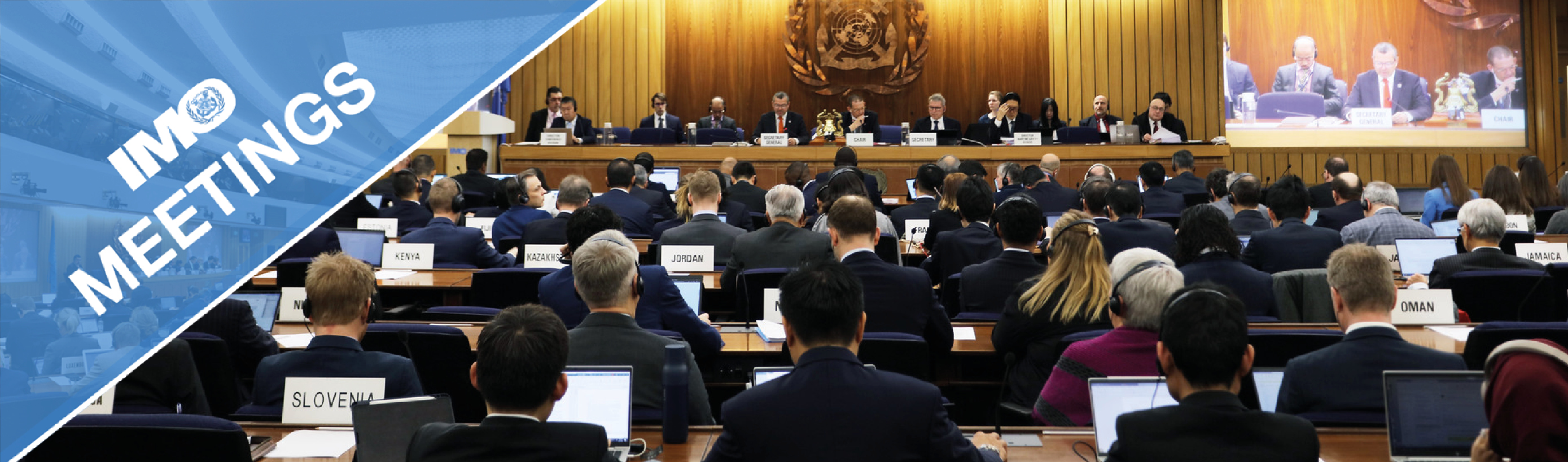
Finally, the case for a stronger, unified african voice at the IMO has never been stronger. African states are heavily dependent on maritime trade but often are not able to influence the industry rules as much as the major shipping powers resulting in reaction to regulations rather than shaping them as they are formed. The African Union must help the continent to develop common positions for negotiating before IMO meetings, including coordinated and common response to global disruptions - e.g., rerouting, safety protocols e.t.c.. This would also help in shaping the decarbonization timelines and ensure that compliance costs don’t disadvantage African economies
Kenya is strategically anchored by the Ports
Kenya is strategically anchored by the Ports of Mombasa and Lamu. Expanding port capacity and efficiency while taking lead in green shipping and digital port systems can position the country as a regional maritime hub effectively turning Kenya into a stabilizing logistics anchor for Eastern Africa.
Building strong representation in global maritime forums, strengthening regulatory clarity through aligning national law with the United Nations Convention on the Law of the Sea, enhancing dispute resolution, can position Kenya as a bridge between African, Middle Eastern, and global maritime actors.
#Kenya # IMO meetings #african voice #AMB Nancy Karigithu #Strait of Hormuz #IEA # piracy #UNCLOS #Gulf of Aden #Middle East #Persian Gulf #Ports of Mombasa
You Might Also Like

25 January 2026
Recommendation News
Incidents
French navy seizes 2.4 tonnes of cocaine in Pacific 18 February 2026
Marine Tech
ABS Approves Ammonia Cracking Technology for Ships 14 October 2025
Shipping Lines
PSCCHC plans to develop its marine terminal with 5.5 billion Egyptian pounds. 06 May 2026
Ports
LR and Mawani partnership to enhance skills and operational performance across Saudi Ports 24 December 2025
Incidents
Opium seized from a truck in the port of Trieste coming Iraq 18 October 2025