Drewry : Despite high fuel costs and ongoing geopolitical risks, rates are under continued downward pressure due to overcapacity and weak demand
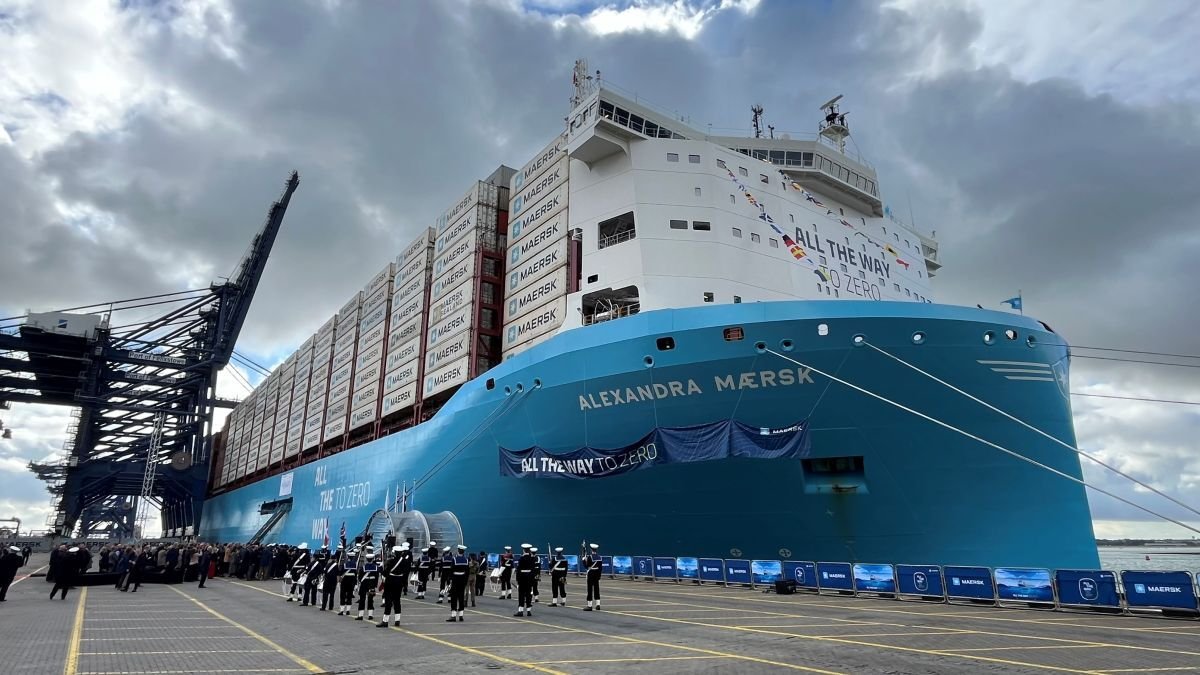
A recent analysis by the consultancy firm Linerlytica has revealed that the orderbook for this type of vessel stands at 13 million TEU. The analyst believes that this signifies a significant risk of imminent overcapacity. There are now more vessels on order than in the combined fleets of Maersk, CMA CGM, and COSCO. At 38.3%, the order-to-available capacity ratio has reached levels not seen since the global financial crisis nearly 20 years ago
During the initial four months of 2026
During the initial four months of 2026, the sum of fresh vessel orders has already surpassed 1.9 million TEU, and Linerlytica anticipates the yearly record of 5.1 million TEU established in 2025 to be exceeded. Most of the new deliveries are scheduled for 2028, by which time confirmed orders will have reached 5.2 million TEU.
Report of Linerlytica
In its latest weekly report, Linerlytica described the current surge in orders as "unbridled" and stated that shipping lines remain locked in a relentless battle for market share. The company also predicted that overcapacity would soon reach the market, with over 5 million TEUs expected to be delivered in 2028 alone.

Warning Drewry
Last Thursday, the Drewry World Container Index fell for the third consecutive week, dropping 1% to $2,216 per month due to lower rates on the Asia-Europe, trans-Pacific, and trans-Atlantic trade routes. 'Despite high fuel costs and ongoing geopolitical risks, rates are under continued downward pressure due to overcapacity and weak demand,' warned Drewry.
Related : Drewry: The World Container Index Decreased 1% This Week 08-2026
The charter market remains stubbornly resilient,
On the other hand, last week, the Transpacific and , rates on Asia-Europe routes weakened further, with the SCFI slipping for its 10th consecutive weekly decline. During this period, the composite index lost 35% of its value. Despite the turbulence in the freight market, the charter market remains stubbornly resilient, with demand in certain Asian, Mediterranean, Middle Eastern, and Latin American corridors still firm enough to support high charter rates.
The most recent decrease occurs in the midst of a general decline in demand indicators. A decline in import demand going forward is signalled by U.S. consumer confidence falling to its lowest level on record in April 2026, according to the University of Michigan.
#University of Michigan #Drewry # Linerlytica # Maersk #CMA CGM #COSCO #trans-Atlantic trade routes #orderbook #type of vessel # risk of overcapacity # charter market # Asia-Europe routes
You Might Also Like


04 September 2026
Recommendation News

Ports
LR and Mawani partnership to enhance skills and operational performance across Saudi Ports 24 December 2025
Ports
Port expansion in Latin America- a strategic debate projected towards 2026 24 January 2026
Marine Tech
Bureau Veritas and Shenzhen Port Group sign green shipping corridor pact 02 July 2026
Marine News Room
Adam Laabs writes Again, a Disaster 26 November 2025
Shipping Lines
Saipem renews framework agreement with Saudi Aramco 19 October 2025