A temporary waiver from Trump will permit foreign ships to transport oil, coal, natural gas
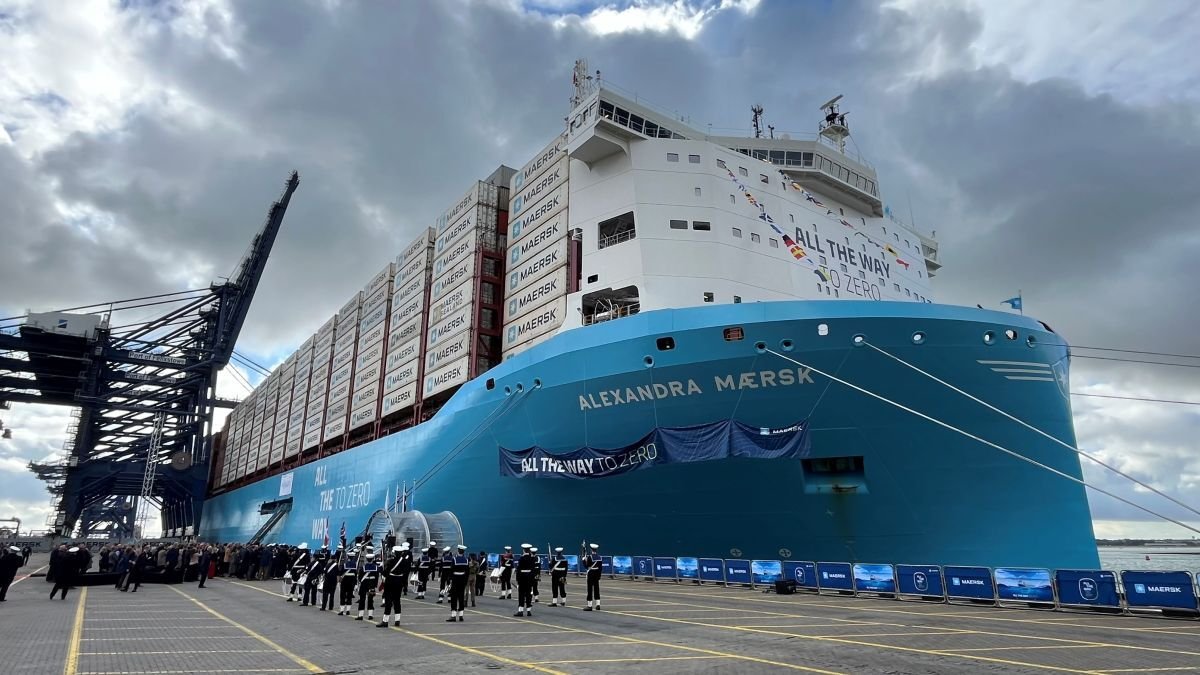
In an effort to lower the cost of transporting oil, gas, and other fuels around the U.S., President Trump temporarily waived a century-old shipping law. Here’s how that move would work: For 60 days, foreign ships will be allowed to transport vital cargo such as jet fuel and fertilizer between U.S. ports. This is a significant departure from the current law, which dates back to the Jones Act of 1920. That law requires all goods moving between U.S. ports to sail on U.S.-flagged ships built in American shipyards and crewed by U.S. sailors. This makes those ships more expensive.
Although the Jones Act was designed to promote and protect U.S. shipbuilding, most tankers that carry oil and fuels, such as gasoline and diesel, as well as liquefied natural gas, are not American-made. Building such vessels in the U.S. costs at least three times as much as building them in big shipbuilding nations such as China and South Korea.
A temporary waiver
A temporary waiver from Trump will permit foreign ships to transport oil, coal, natural gas, and other fuels between U.S. ports. This should result in a reduction in shipping costs. For example, foreign tankers could transport gasoline and diesel fuel produced in Texas and Louisiana to markets on the East Coast.
Related :Hormuz stoppage will impact cost of living according to UNCTAD
Merchandise transported by water
Merchandise transported by water between U.S. points is subject to the Jones Act. The law requires that this cargo be shipped solely aboard U.S.-built, U.S.-owned, and U.S.-registered vessels, meaning they must be crewed by Americans.A common question is whether the U.S.-owned, -built, -crewed, and -registered requirements of the Jones Act can be waived to allow foreign-flag vessels in some circumstances. The U.S. Maritime Administration notes that the answer is yes; however, Jones Act exemptions are rare, as the only basis for an exemption is "interest of national defense."
Release of the American Maritime Partnership (AMP)
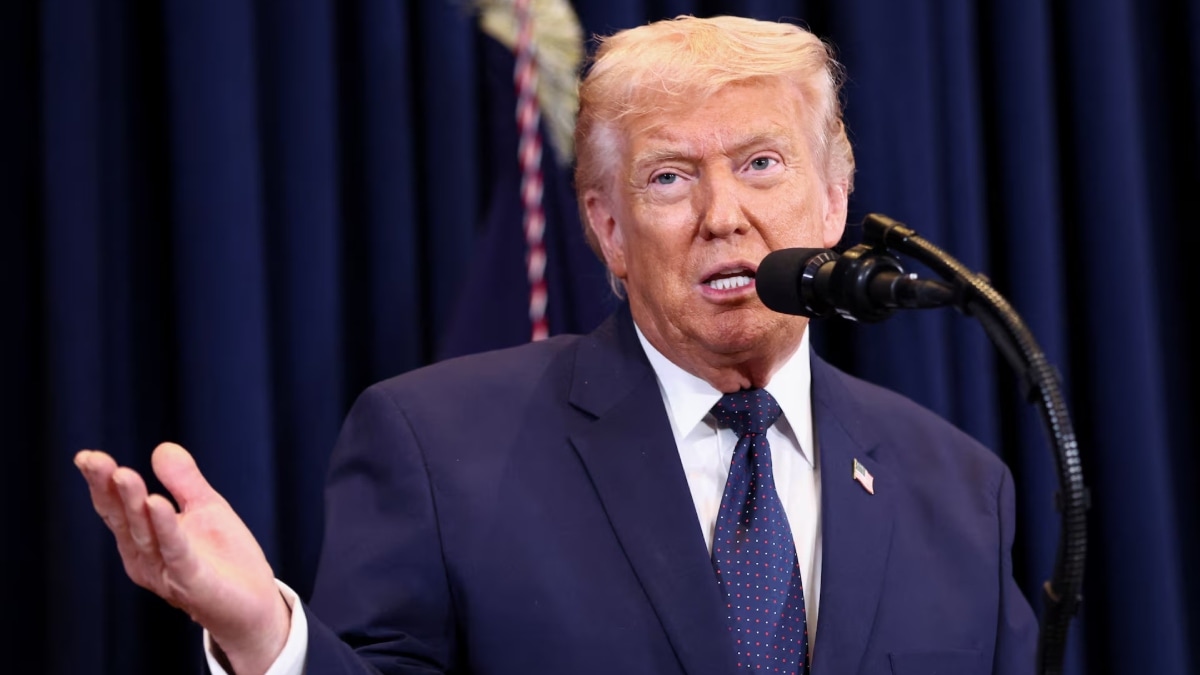
On Wednesday, the White House press secretary confirmed the decision, prompting concern from the domestic shipping sector. The American Maritime Partnership (AMP) released a statement expressing concerns about the waiver.
“We are deeply concerned about this 60-day, broad waiver being abused and unnecessarily displacing American workers and American companies,” it said. “The law sets a high bar: this waiver exists solely to address an immediate threat to military operations, not to displace American workers or reward foreign operators. Every vessel movement under this waiver must be publicly disclosed and justified according to federal law. We will be watching closely – and so will the American public.”
Related : Lloyd's seeks solution in Persian Gulf: "A thousand ships are at a standstill."

The war in Iran
Notably the war in Iran has caused oil prices to rise sharply, sparking uncertainty across global energy markets. Shipping through the Strait of Hormuz, a vital shipping route for oil and other goods, has essentially stopped. On an average day, about one-fifth of global oil consumption passes through the strait. The average price of a gallon of gas has soared nearly a third since the U.S. and Israel attacked Iran on Feb. 28, 2026 – from $2.98 to $3.84 as of March 18, according to data compiled by AAA.
Pledge of International Energy Agency
Just last week, the International Energy Agency IEA also pledged to distribute 400 million barrels of oil from its member nations' reserves, the biggest amount of emergency oil collected in the agency's history. Trump, who had previously downplayed the need to tap into reserve oil, confirmed that the U.S. would withdraw 172 million barrels from its Strategic Petroleum Reserve over 120 days as part of the effort.
President Trump’s priority
"President Trump’s priority is always the American people. By temporarily waiving the Jones Act, he is ensuring that oil and other energy resources flow to Americans across the country, even during times of disruption," wrote US Secretary of Energy Chris Wright in a post on X. "This will help ease short-term price impacts in the oil market as we work every day to lower prices and raise wages for Americans," Wright added.
What is Jones Act ?
:max_bytes(150000):strip_icc()/jonesact.asp-Final-1ef59e3412654783a30f1c6eb45722a5.png)
Jones Act provisions mandate the use of U.S.-flagged vessels for the transportation of goods between ports within the United States. This law, passed in 1920, was created to protect the American shipping sector. However, it has received criticism over the years for its impact on the delivery of goods, including critical aid during times of crisis. This has led to claims that the law hinders the efficiency of delivering goods, which is not its intended purpose. It’s often blamed for making gasoline, in particular, more expensive.
Source : Agencies
#Jones Act #Chris Wright #International Energy Agency #Trump’ # war in Iran #Prices of Oil #For 60 days,#US ports # American Maritime Partnership #Strait of Hormuz #global energy markets
You Might Also Like


Recommendation News

Shipping Lines
Changes to the GEODIS Management Board 15 October 2025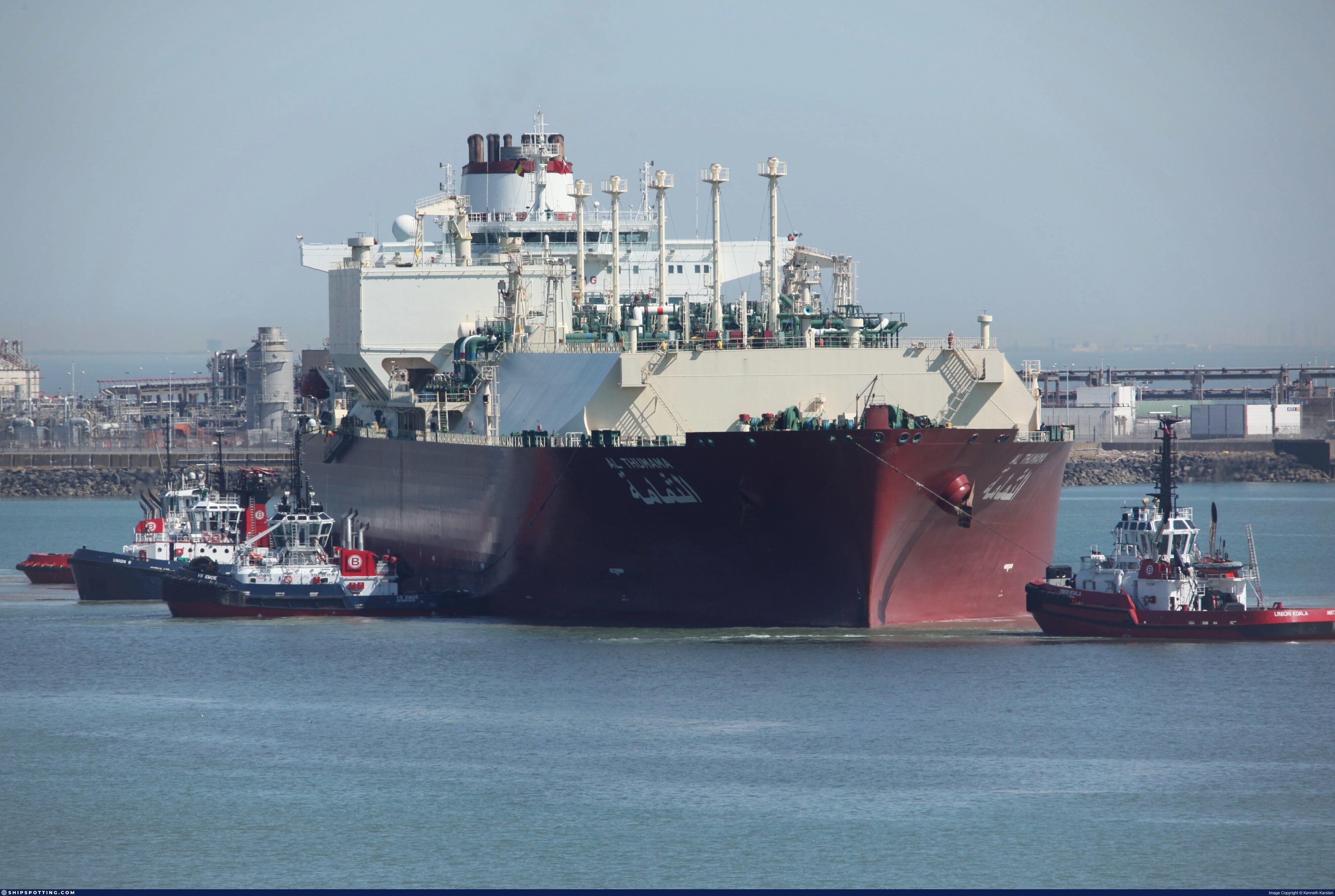
Shipping Lines
Qatar is offering two gas tankers for lease as the Ras Laffan facility shuts down due to the war. 06 March 2026
Marine Tech
US Coast Guard has finalised $3.3 billion for six Arctic Security Cutter contracts. 03 July 2026
Incidents
MSC Houston V Lost 15 Containers Off Portugal 16 October 2025
Incidents
Libya -A cargo ship has disappeared off the Jabal Akhdar region 21 January 2026