In 2025, trade between EU countries and Egypt reached $32.3 billion, with Rome playing a key role as Cairo's main partner. Egypt is establishing itself as a regional trade hub for other destinations.
The situation in the Middle East remains unpredictable, and despite Iran and the US reportedly moving towards a peace deal, strikes continue, and shipping conditions in the Strait of Hormuz are not yet showing significant signs of improvement. Maersk’s priority remains the safety of our personnel, assets, and customer cargo, and we will continue to operate with heightened caution at this time. Please visit our dedicated Middle East Situation page for the latest updates in and around the region.
The Baltic Sea – SLA connection links the following ports
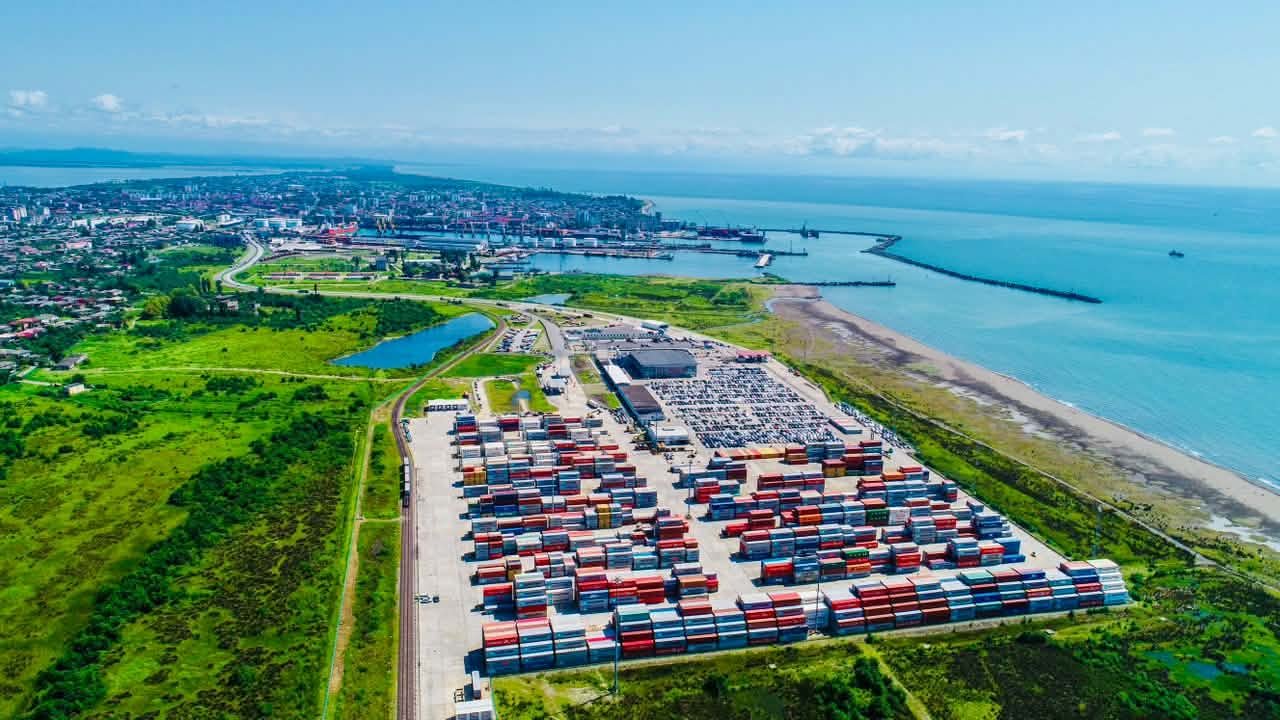
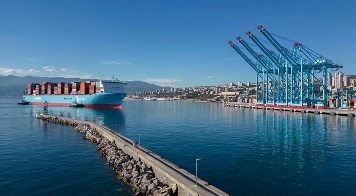
Elsewhere, Maersk has launched a new service to strengthen connectivity between North Europe, Italy, and Egypt. The Baltic Sea - SLA service links Gdansk, Bremerhaven, and Genoa (Vado Ligure) with both Port Said and Alexandria, offering a direct routing into Egypt and the wider East Mediterranean. By reducing reliance on indirect routings, the service is expected to shorten transit times and offer greater reliability over complicated alternatives. Read more about it here.
On the terminal side
On the terminal side, several key gateways are experiencing high yard density levels for dangerous goods, including at Rotterdam, Bremerhaven and Hamburg. Customers are kindly asked to please prioritise picking up dangerous cargo units as soon as possible, in order to ease any potential congestion.
Related: Maersk : Financial losses in the first quarter of 2026
In Belgium, Antwerp terminals are facing weather-related disruption due to strong winds being forecast, and customers should be aware that operations may slow down depending on the impact. We will keep customers informed of any developments as soon as possible.
A series of ongoing regulations
Finally, as part of a series of ongoing regulations aimed at reducing greenhouse gas (GHG) emissions in shipping, the United Kingdom has now confirmed the extension of its Emissions Trading Scheme (UK ETS) to domestic maritime activities, effective 1st July 2026. Customers are advised to factor this into planning for UK-connected supply chains. Find out more details here.
Shipment planning
Maersk cited the need for fixed weekly rotations to facilitate shipment planning and reduce lead time variability, particularly for supply chains that require greater control of inventory levels and delivery times, as the reasons that led to the launch of this innovative connection.
The dynamics of trade between Europe and the Mediterranean
The dynamics of trade between Europe and the Mediterranean also have an impact. Specifically, trade between EU countries and Egypt reached $32.3 billion in 2025, with Rome playing a key role, as Cairo's main partner, with trade amounting to $6.6 billion in the same year. Another significant counterpart is Poland, which recorded GDP growth of 3.6% in 2025 and is estimated to grow by a further 3.5% this year. Conversely, Egypt is assuming the role of a regional hub for trade with other destinations. Its own exports, directed towards countries such as Saudi Arabia, Turkey and Italy, reached 53 billion dollars (approximately 45.5 billion euros) in 2024.
Maersk concludes that the SLA service responds to the needs of "current trade patterns", supporting supply chains that increasingly depend on speed, resilience and operational simplicity in a global environment that is increasingly volatile.
#Maersk #Mediterranean #Egypt #trade #SLA connection links # Baltic Sea #Northern Europe #Italy #shipment planning #Gdansk #Bremerhaven #Antwerp #Vado Ligure
You Might Also Like

Recommendation News

Marine News Room
US Judge Rejects Trump Administration's Halt of Wind Energy Permits 09 December 2025
Marine Tech
Wiernicki honored with Silver Bell Award for Safety Leadership 14 October 2025
Incidents
Iran seizes foreign oil tanker and arrests its crew 18 October 2025

Marine News Room
Magdy Sadek :American Gorilla Wrestling the Chinese Dragon’ 25 October 2025