Real-time data from AIS currently shows 1,061 merchant vessels still west of Hormuz. Of these, 738 are transmitting an active signal, while 323 have turned off their transponders
The true locations of ships trapped in the Persian Gulf have become clearer after electronic interference with signals eased over the weekend. While threats to ships in the inland sea and the Strait of Hormuz remain high, the Joint Maritime Information Centre's latest advisory states that the widespread jamming that obscured the actual location of vessels has decreased in the gulf. Concerns about navigating vessels in the war-affected region have therefore been reduced. Shipowners often don't know exactly where their fleet is due to this interference, which increases legal and insurance risks.
Vessel Congestion and Disruption Flows
The first clear indication that the disruption extends beyond production is visible in vessel activity across the Arabian Gulf. LNG carriers are currently in a holding pattern, particularly around Ras Laffan, indicating an accumulation of idle tonnage.The Strait of Hormuz's vessel counts have shown a clear deviation from seasonal patterns, with an average of around 11 vessels recorded in a 3-day moving average in March, compared to the usual 3–4. This suggests that vessels are accumulating within the corridor rather than passing through it, which indicates a disruption to normal transit flows.

Only seven vessels made the crossing
Meanwhile, only seven vessels made the crossing from west to east through the Strait of Hormuz over the past weekend, which is a clear indication of the ongoing gridlock in commercial traffic through the waterway. However, over the last few hours, they have been joined by two Cosco container ships, which approached the strait on Friday before turning back.
A report from analyst Axs Marine highlighted the transits which were completed over the weekend. Five of the seven vessels were bulk carriers (one Handymax, three Supramaxes and one Panamax), as well as two tankers: an oil tanker and a chemical tanker, and a small asphalt or bitumen tanker. Both tankers are suspected of being associated with the so-called ghost fleet.'

Changed their AIS classification
Axs pointed out that two of the bulk carriers had temporarily changed their AIS classification to 'Chinese Owner/Crew'. This has occurred before. Oil tankers approaching Israeli ports, for example, frequently changed their AIS destination messages, especially in early 2024. Earlier still, during the height of piracy off the coast of East Africa, ships would display messages such as 'Armed Guard on Board' in their AIS notifications to deter potential attacks.'
1,061 merchant vessels still west of Hormuz.
The analyst stated that real-time data from AIS currently shows 1,061 merchant vessels still west of Hormuz. Of these, 738 are transmitting an active signal, while 323 have turned off their transponders or are suspected of signal manipulation or spoofing." Ships currently present in the area include 295 crude oil tankers, 103 oil tankers, 103 chemical tankers and 53 chemical tankers. Additionally, there are 47 LPG and 20 LNG carriers, 234 bulk carriers, 132 container ships and 116 multipurpose vessels. The smaller segments of the fleet include 17 car carriers, nine ro-ro vessels, 11 ro-pax vessels, 11 passenger ships, nine FSO (floating storage and offloading) vessels and one OBO (ore-bulk-oil) vessel.'
Only two ships belonging to Cusco successfully crossed the canal.
As previously stated, the concise register of seafaring vessels that have adroitly navigated the Strait now encompasses the containerships CSCL Indian Ocean and Cosco's CSCL Arctic Ocean, which successfully concluded their voyage this morning after having aborted the passage last Friday. The breakthrough was also reported by Marine Traffic, who noted that the two ships – owned by China's Cosco – now appear to be heading for Port Klang in Malaysia, as part of their original MEX service, according to AIS data.
Related : COSCO Shipping resumes bookings for the Middle East

The global LNG market
On the other hand the global LNG market remains under significant stress following Iranian attacks on Qatari energy infrastructure, which have removed approximately 17% of Qatar’s LNG export capacity, equivalent to roughly 3% of global LNG supply. The disruption is concentrated in the LNG liquefaction trains at Ras Laffan, where strikes damaged processing units and associated infrastructure, resulting in multiple trains being taken offline. Repair timelines are currently estimated at three to five years for full capacity restoration according to Axs
European gas prices
European gas prices reacted sharply following the disruption, with benchmark TTF contracts moving higher. Prices remain elevated, and forward curves indicate continued tightness through 2027.As of today, the status of U.S.–Iran contacts remains unclear. U.S. officials have indicated that discussions have taken place through intermediaries, while Iranian authorities have publicly denied that any direct negotiations are underway. No agreement has been announced. The LNG market remains impacted by both the physical loss of supply and the ongoing geopolitical uncertainty
#European gas prices #U.S. officials #global LNG market #Persian Gulf #China's Cosco #AIS# Axs Marine #Shipowners #Strait of Hormuz
You Might Also Like

Recommendation News

Shipping Lines
Aponte (MSC) officially entered the oil tanker business with Sinokor 20 March 2026
Marine Tech
ABS :Condition-Based Maintenance System from Samsung Heavy Industries Gets MART (MHM) Tier2 PDA 14 November 2025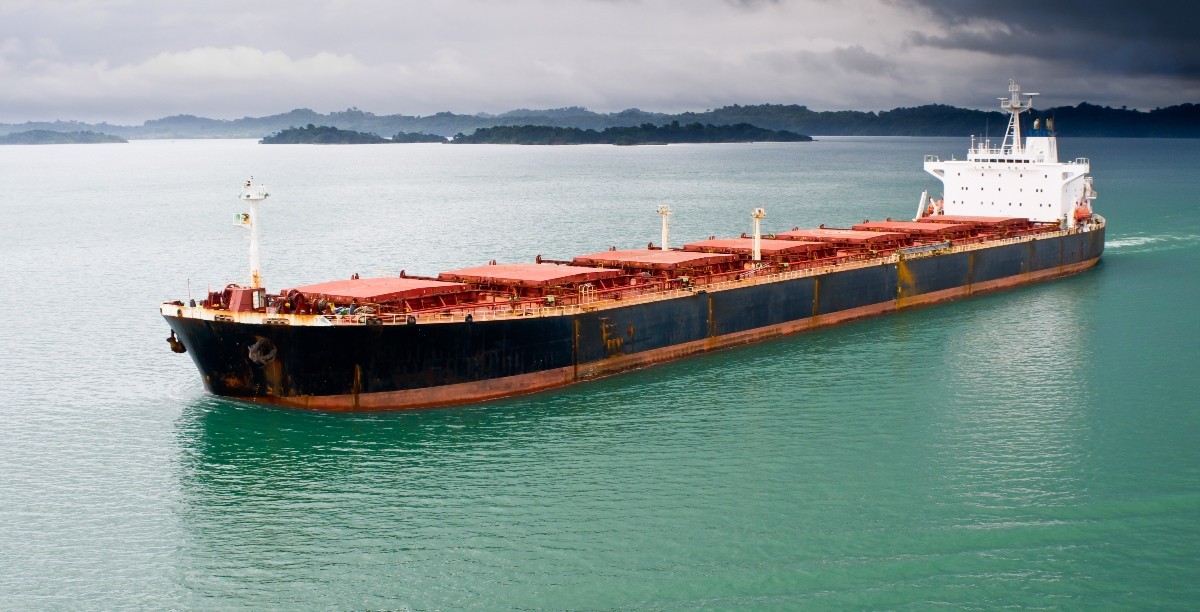
Shipping Lines
Baltic Exchange congratulates SGX and EEX on a successful transfer of Panamax FFAs 02 February 2026
Yachts&Cruises
Sharjah Civil Defence takes delivery of three 36 ft utility vessels from Gulf Craft 04 May 2026
Shipping Lines
"K" LINE will be exhibiting at Sea Japan 2026, an international exhibition for the maritime industry. 07 April 2026