S-100 is intended for developers of digital products and services for hydrographic, maritime and GIS communities
By : James Crawford
Assessor in decisions of operations and innovations for technology,
for the necessary operations in maritimo-portuarias.
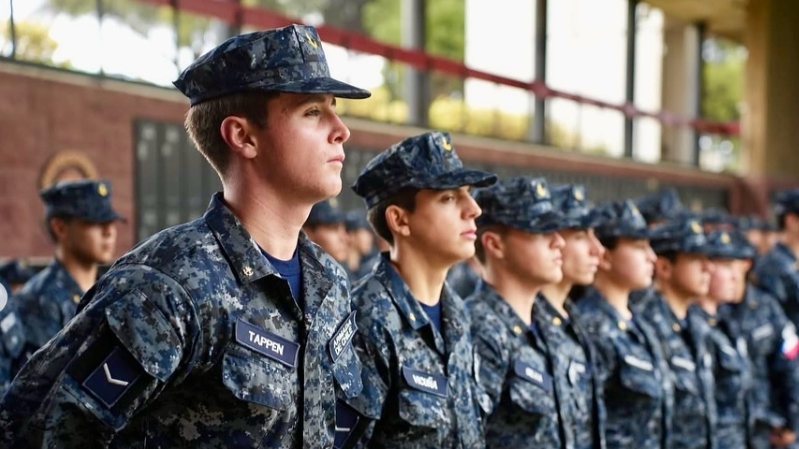
In the military sphere, uniformity is not a matter of appearance but a critical operational requirement. The standardization of weapons systems, engineering, and navigation allows a crew member to be cross-decked between units of the same class with minimal induction time, ensuring combat effectiveness by mitigating human error. This "common systems" philosophy is finally reaching the global merchant navy through the technological revolution represented by the S-100 standard.
The adoption of the S-100 standard
Until recently, digital navigation suffered from a concerning operational fragmentation, given that each ECDIS (Electronic Chart Display and Information System) manufacturer implemented disparate interfaces and alert logics, increasing the risk of confusion during officer handovers. However, the new IMO Resolution MSC.530(106) bridges this gap by establishing a technical framework where technology is not merely a visual aid, but a safety guarantee. In this sense, the adoption of the S-100 standard (Universal Hydrographic Data Model) should not be viewed as a simple software update, but as the implementation of a true civilian "doctrine of uniformity."

Dynamic data
The aforementioned is based on the fact that, unlike predecessor systems, S-100 enables unprecedented layer interoperability, where dynamic data such as tides, meteorology, and high-resolution bathymetry converge into a real-time integrated information ecosystem. Consequently, the navigator ceases to consult isolated sources to operate under a predictable and robust interface. Under this same premise of efficiency, the new regulations prioritize operational silence management aimed at eradicating sensory fatigue; thus, the system only interrupts the operator in the face of actual collision or grounding hazards, eliminating the pernicious habit of silencing equipment due to excessive false alarms.
Cybersecurity capabilities
Within this scenario of hyper-connectivity, it is imperative to conduct a rigorous analysis of how this technological evolution affects the operation and security of port facilities. The integration of the S-100 standard into the ship-to-shore interface allows for the optimization of dynamic draft and berthing windows; however, this technological dependence introduces risk vectors that must be managed. Port infrastructure must, therefore, evolve its cybersecurity capabilities and the standardization of its own nautical data services to interact with increasingly autonomous and digital vessels, preventing the port from becoming an analog bottleneck in a digitized supply chain
The transition toward "paperless" navigation
Finally, this transition toward "paperless" navigation demands resilience equivalent to the most stringent defense standards. By reinforcing data integrity against external tampering and ensuring operational continuity during power failures, the ECDIS solidifies its role as the tactical brain of the vessel. Ultimately, the implementation of S-100 represents a decisive step toward smart maritime transport, where technical uniformity becomes the fundamental pillar for eliminating legacy risks and embracing a fully reliable digital era.
Related : Maksim Barodzka writes : New GNSS Interference Report Released
#S-100 standard #cybersecurity capabilities # digital vessels # James Crawford #Military Doctrine # ECDIS #IMO Resolution #Port Security #Maritime
You Might Also Like


Recommendation News

Marine News Room
Exclusive with Gavin Allwright : Secretary General of (IWSA) ( 1- 3 ) 06 October 2025
Incidents
TT Club highlights dangers of fire to mobile port equipment 16 October 2025
Yachts&Cruises
The new Viking Mira cruise ship was delivered in Ancona. 27 May 2026
Incidents
Ukraine seizes one of Russia’s “shadow fleet” ships 17 October 2025
Ports
Antwerp chemical firms test water reuse 03 April 2026