Seeking a balance between enhancing security and ensuring efficiency in port and logistics operations
By : Nouhed Chine
Port Security Expert
Nouhed Chine continues the conversation in the second part of the article “20 years of the ISPS Code, a milestone in global maritime security ” where ٍshe reviews at this part the Major challenges that facing application of ISPS Code in the maritime and port sector that hinder effective implementation and the important recommendations.
The maritime and port sector faces major challenges that hinder effective implementation, , most notably:
This is one of the main challenges in implementing the ISPS Code. The Code aims to enhance security in ports and ships, and the security protocols adopted may affect the productivity and efficiency of timely delivery of ongoing operations.
Therefore, the application of security measures such as strict inspection, security control procedures and access restrictions may increase the time required to unload and load cargo or even delay some daily operations in ports.
Governments face challenges in allocating budgets between maritime security measures and other means of transportation, including anti-piracy and maritime safety.
Port and ship security measures
The equipment to secure ports and ships is expensive, especially with the continuous developments in these technologies, which makes implementation more difficult when considering cost. Countries need significant investments in modern security systems such as surveillance systems, surveillance cameras, and explosive detection devices.

Difficulty in estimating risks and threats
Estimating the likelihood and consequences of potential threats in ports is a major challenge, although it is easier in other areas. This is due to several reasons, most notably the complexity of systems in ports, where digital, logistical, and physical systems overlap,making it difficult to measure the impact of any threat on port operations.
The rapid evolution of threats, especially cyberattacks, makes them even more difficult to predict. In addition , ports rely on third-party organizations and partners, which can cause additional threats outside their direct control. The lack of recorded data from past experiences further complicates the process of assessing and dealing with these risks.
Effectiveness of security measures
There are challenges in measuring success in objective ways, often relying on anecdotal evidence and personal experiences rather than using accurate and objective data and statistics.

Some countries lack the necessary legal and policy frameworks to achieve compliance to protect maritime and port security.
Training Constraints
There are several challenges in maritime and port security training, The most notable include programs that are too general and don’t cover local needs, leaving security personnel unprepared. There;s also a lack of resources for continuous, high-quality training.
Additionally, many trainers don;t have the experience needed for region-specific security training. These issues show the need for tailored, well-resourced, expert-led training.
These factors make it necessary to strengthen cooperation between member states and develop more effective strategies to improve maritime security. Consequently, intensified efforts are required at local and international levels to ensure the full and effective implementation of these security measures.
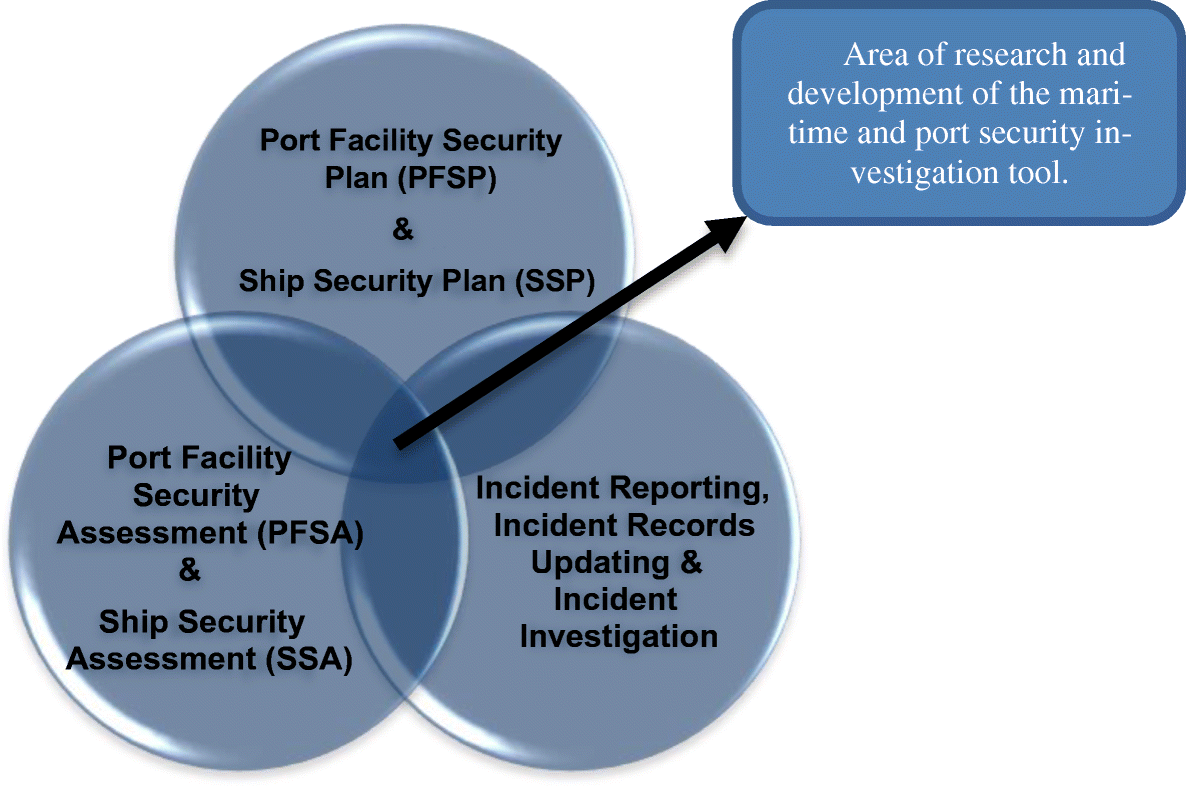
Recommendations for effective implementation of the Code
These recommendations are based on regulatory requirements, continuous training, and collaboration among stakeholders, contributing to the main objectives of the ISPS Code in enhancing maritime and port security.
Establishing a Regulatory Framework
Member States must adapt their national laws to align with the requirements of the ISPS Code by integrating port and ship-specific security measures in line with international standards.
It is essential to ensure the effective application and monitoring of these measures within a clear legal framework. Such alignment promotes consistency between national actions and international obligations, unifies procedures, enhances maritime security, reduces challenges arising from regulatory disparities, and ensures operational efficiency.
This framework should include the following areas:
Roles and Responsibilities
Each stakeholder (government, port authorities and private operators) must have clearly defined roles and responsibilities in managing maritime and port security.
This clarity will ensure effective coordination between all parties. In addition, overlapping roles must be addressed to avoid conflicts of responsibility or redundant procedures that could disrupt logistical operations and reduce efficiency.
A clear legal framework facilitates the precise definition of these roles, allowing security measures to be implemented without significantly affecting day-to-day port and logistics operations.
Monitoring and audit mechanism
Mechanisms should be established to conduct regular inspections and audits to ensure compliance with ISPS Code requirements.
These mechanisms help identify role overlaps or operational disruptions, allowing timely adjustments to mitigate negative impacts on productivity.
They also ensure the continuous and effective application of security measures.
Enforcement systems
For the ISPS Code to be effectively implemented, enforcement mechanisms must include continuous monitoring, periodic inspections, and penalties for violations.
These mechanisms should align with the local judicial system to ensure their effectiveness.Integrating local legal systems with international regulations guarantees the efficient application of global standards and enhances maritime and port security.

Continuous assessment and adjustment of measures
It is essential for states to establish mechanisms for the ongoing assessment of security systems. This enables the adjustment of security measures based on emerging threats and technological advancements.
The most significant example in this context is the cybersecurity attacks, which have become the most dangerous threat due to the rapid evolution of technology, the increasing reliance on digital systems in maritime and port operations, and the digitalization of ships and port infrastructure, this figure shows the increase in cyber attacks from 2010 until 2023:
Capacity Building
Capacity building is one of the keys to the successful implementation of the ISPS Code.. It enables contracting governments to avoid costly investments in security equipment and to make more efficient use of their available resources.
This approach also helps to build resilience to threats, by training staff to swiftly recognize and respond to potential risks.
What are some of the methods that can be used to train security personnel? read the next last part !
Related :
Nouhed Chine writes : 20 years of the ISPS Code ( 1 – 3 )
Nouhed Chine writes : Beyond Seafarers’ Rights
Nouhed Chine , ISPS Code, global maritime security , Lack of legal tools: ,port authorities
You Might Also Like


Recommendation News
Shipping Lines
Maersk lines up Med-Baltic SLA loop from Tangier Med 28 April 2026
Marine News Room
The Omani proposal for regulating navigation in the Strait of Hormuz is outlined. 13 July 2026
Marine Tech
Grimaldi takes delivery of the Grande Tokyo 20 April 2026
Marine Tech
Stena Line and Norsepower team-up hybrid RoRo 09 October 2025