It was only after World War II that Poland gained control of these three major seaports.
By : Pablo Rodas-Martini
Former Chief Economist and Op-Ed writer. Maritime and LinkedIn expert
Today, the city port of Gdynia, which I have visited many times in recent years, is celebrating its 100th birthday. It is the city's birthday that is being celebrated today: Gdynia received city rights on 10 February 1926. The port is older, however, with its formal founding on 23 September 1922, when the Polish parliament passed an act authorising its construction. So, while the city is reaching its centenary, the port has already entered its 104th year — a useful reminder that the port came first in Gdynia and the city grew around it.
Although it is the city marking the anniversary, I am going to talk about the port — partly because I did not write anything when the port marked its centenary, and partly because I know ports far better than cities! 🙂
The story I am going to share begins right after the Second Polish Republic was reborn in 1918, following 123 years without a sovereign Polish state.
But why did Poland need a new port?
But why did Poland need a new port? Did not it already have Gdańsk, Szczecin and Świnoujście? No; it had none. During the interwar period, Gdańsk was still the Free City of Danzig, a League of Nations entity, connected to Poland by treaties and significant economic rights, such as customs arrangements... however, Poland did not have sovereignty over Gdańsk.
Meanwhile, the Oder ports had the German names of Stettin (Szczecin) and Swinemünde (Świnoujście), as they remained as German ports after the First World War. It was only after World War II that Poland gained control of these three major seaports.
The impact of the construction of Gdynia
The impact of the construction of Gdynia could be seen within just thirteen years. Consider the figures: in 1924, Gdańsk accounted for 99.6% of Poland's total seaborne trade (exports and imports) by tonnage. By 1937, the shares were as follows: Gdańsk: 44.4%; Gdynia: 55.6%. Absolutely impressive! Source: "Rada Polskich Interesantów Portu Gdańskiego w Gdańsku e. V." 1937. See the cover and the table among the pictures.
The Four main reasons forTadeusz Wenda
But why did engineer Tadeusz Wenda, the expert chosen, selected the current site rather than one farther west of Gdańsk? There were Four main reasons.
First, the area had a buildable backshore. The Gdynia–Oksywie area offered space that could be developed into a modern port system comprising basins, quays, rail yards, warehouses, and later a whole city's worth of supporting functions. Many coastal spots appear 'port-like' on a map, but fail this test: there is no space to expand, or the ground conditions make expansion slow and expensive.
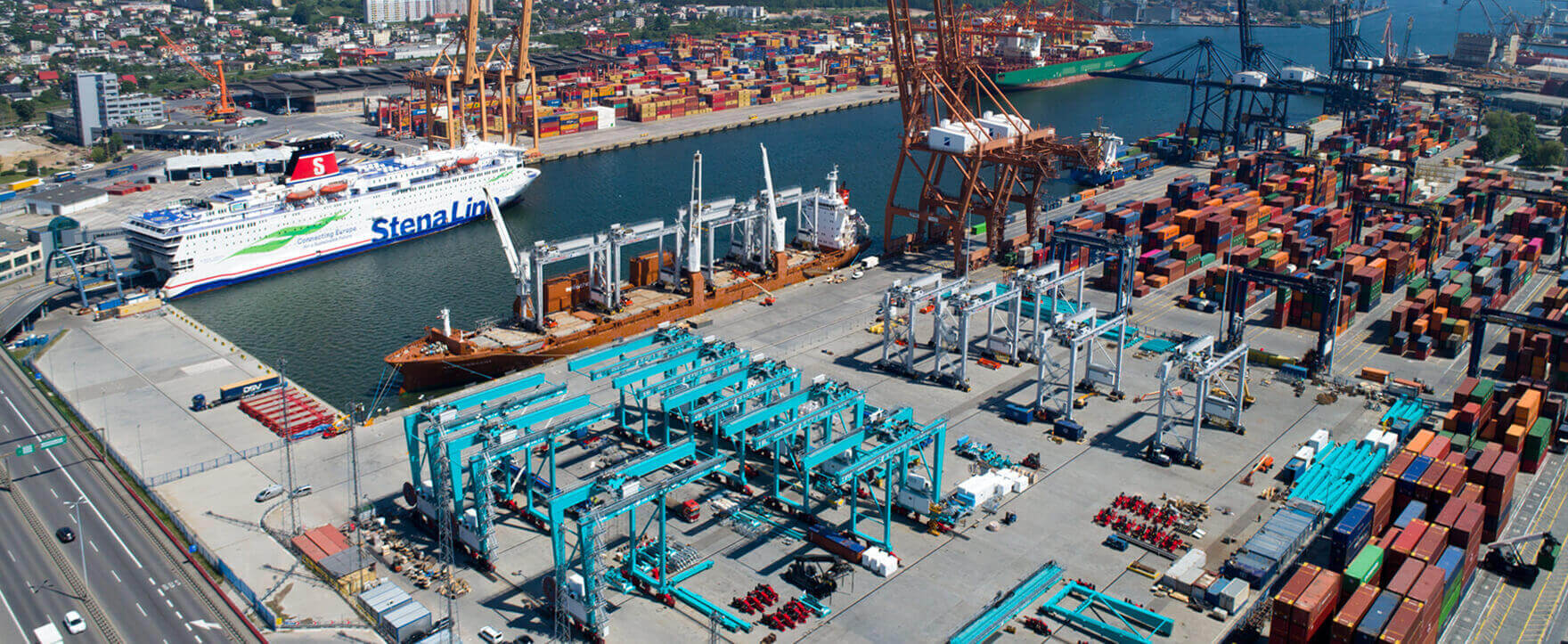
Second, it provided a natural shelter. Gdynia is located in a gulf where the Hel Peninsula protects the area from the open Baltic Sea (look at a map: resembles a needle ending in a town called Hel). This results in fewer weather restrictions, less breakwater length required per unit of sheltered wate and more predictable operations. While ports can be built... almost anywhere, those that remain operational when the sea is rough gain a competitive advantage over time.
Third, rail and hinterland logistics are important too. A port is only as strong as its land connections, and interwar Poland needed a direct, scalable link from its industrial, agricultural and mining heartlands to the sea. Gdynia's location meant that rail capacity could be planned as a national project rather than as a concession.
Fourth, the open coast farther west was more exposed. Moving westward generally meant swapping the Gulf's relative protection for greater exposure to Baltic weather. While sites to the west are not impossible, they increase engineering costs and operational risks, requiring longer breakwaters and resulting in more downtime and greater sensitivity to storms.
Gdynia’s etymology
I will conclude this text with a reference to Gdynia’s etymology. The word is commonly traced back to an Old Slavic root associated with wet, boggy ground, combined with a place-forming suffix — essentially a toponym indicating marshy terrain. This serves as a reminder that this once modest coastal landscape was transformed by one of the most significant infrastructure projects in modern Poland.
Related : Pablo Rodas-Martini writes : RoRo terminals are cathedrals of logistics.
.#Port of Gdynia Authority S.A., #Port of Gdansk Authority, #Szczecin # Świnoujście Seaports Authority #Pablo Rodas-Martini #Tadeusz Wenda
You Might Also Like
Recommendation News
Ports
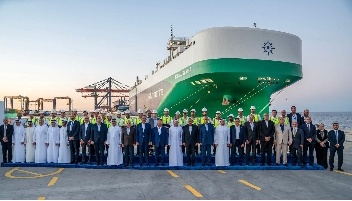
Abu Dhabi Ports Opens Strategic Safaga Gateway. 10 June 2026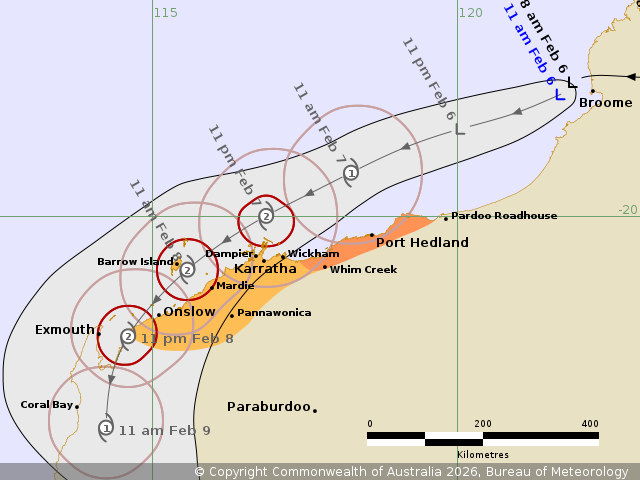
Ports
Pilbara Ports cleared as potential cyclone threatens 06 February 2026
Incidents
Seven people : killed in attacks on ships in the Hormuz. - a 90% plunge in tanker traffic. 09 March 2026
Shipping Lines
Two Qatari tankers have cancelled their crossing of the Hormuz 06 April 2026